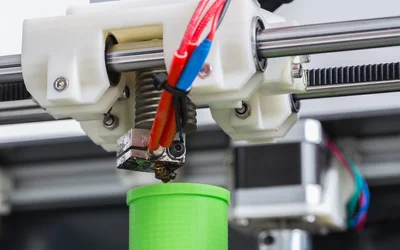

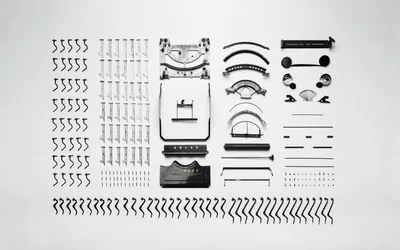
What is 3D printing? This article goes over the basics of 3D printing, otherwise known as additive manufacturing, covering its engineering principles and applications.
What is 3D printer filament made of? This guide examines polymers, additives, and composites, offering practical tips for digital design and hardware engineers.
Learn everything you need about the full adder circuit. From binary addition theory to low-power hardware implementations and modern ASIC/FPGA design flows, this technical article equips digital design engineers, hardware engineers with practical insights and current research trends.
Explore how a transistor works from first principles through practical circuit design. This in depth guide explains BJT and FET operation, switching and amplification modes, design calculations, modern market trends, and FAQs, ideal for digital design engineers, hardware engineers, and students.
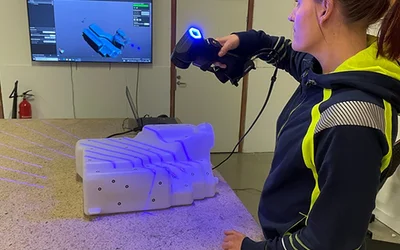
Advanced 3D scanning delivers comprehensive, high-accuracy inspection for massive grinding roller shells. It replaces manual measurement with fast, traceable digital analysis, enabling smarter maintenance and reduced operational costs.
There are many factors to consider when purchasing a 3D printer, such as material capabilities, build size, purpose and future intention. However, one conversation that OEMs are afraid to have with prospects and clients is the true cost of ownership.
Laminated object manufacturing (LOM) is a unique rapid prototyping process that combines additive and subtractive elements. This article explores its characteristics, benefits, and applications.
Actuators are an integral part of instrumentation systems that power the machines that exist today. These devices make it possible for the machines to interact with their surroundings the way they do. In this article, we take a closer look at the omnipresent technology.
CNC Machining and 3D printing both have their strengths and weaknesses when it comes to a producing a part – whether it’s a prototype or tooling. Machine shops all over the world are benefiting by having both technologies.
Did you know that Creaform has implemented more than 10,000 measurement technology projects and engineering service projects worldwide in the last 15 years? Customers include leading international manufacturers in the aerospace, mass transit, energy, leisure items and consumer products sectors.
Once you understand how 3D printing works, it's important to talk money. A 3D printer should be a long-term asset for your organization that delivers value for years after you buy it.
LifeNabled volunteers and designers created a fully digital workflow to produce custom 3D printed prosthetic sockets with flexible inner liners. Now, 35 patients in the jungle of Guatemala are walking on the most advanced prosthetic and orthotic devices in the world.
What is TPU filament? Thermoplastic polyurethane (TPU) is one of the most practical and affordable 3D printing materials for making flexible parts. This article looks at how and why to print it.
How do you use a 3D printer step by step? Many different technologies share the same basic steps which we’ll cover next, but each 3D printer can also be easier or harder to use depending on its features.