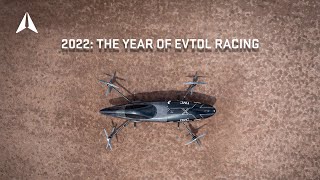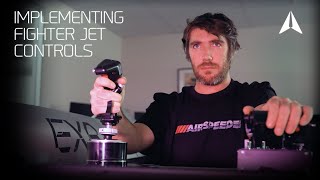
Alauda Aeronautics Embedded Software Engineer Florian Breut runs through the steps to validate the new control layouts: through simulation, smaller drones and then in full-scale integration with the Mk3C in flight and race testing environments.
Advances in software allow a customized car to perform controlled, autonomous drifting to enhance active safety and to give drivers the skills of professional racers.
In this episode, the Alauda engineering team implements improvements to our Global Navigation Satellite Systems or GNSS. What is GNSS? More popularly known as GPS, we need these navigation systems to track the exact positions of racing Alauda Mk3Cs.
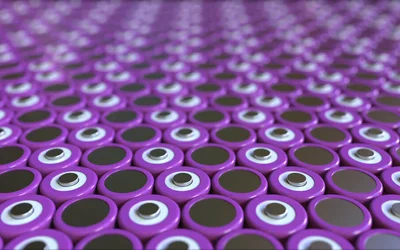
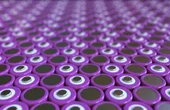
The performance and lifetime of lithium-ion batteries can be improved thanks to the addition of an ultrathin protective layer on the electrodes a few atom layers thick.
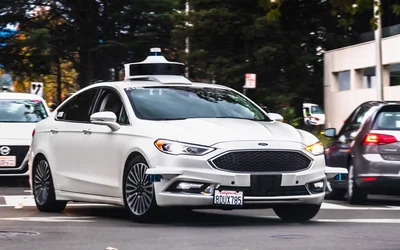
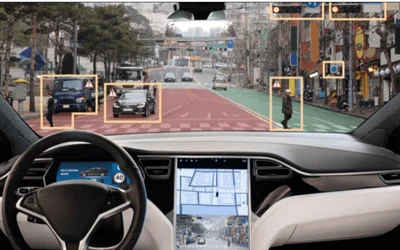
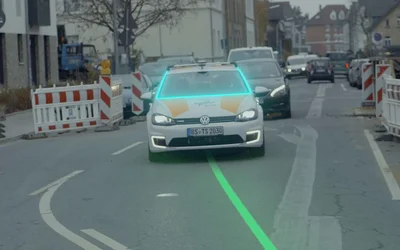
Highly automated and autonomous driving are getting ever nearer to becoming a reality. This technology holds the potential to make transport systems safer, more efficient and more convenient.

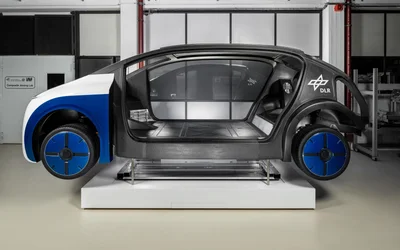
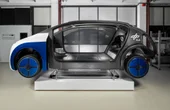
The ROboMObil (ROMO) has been transferring space research to the road since 2011. The project began a few years earlier at the DLR when researchers at the Robotics and Mechatronics Center (RMC) had the idea to combine rover technology developed for Mars and lunar vehicles with electric mobility.
A new biologically inspired battery membrane has enabled a battery with five times the capacity of the industry-standard lithium ion design to run for the thousand-plus cycles needed to power an electric car.
In this Taking Flight episode we investigate how Alauda Aeronautics engineers are implementing new battery access designs, First Person View (FPV) capabilities and weight-saving measures for the Alauda Mk3C.
A team at the Technical University of Munich (TUM) has developed software which lets race cars compete in motor sports without a driver. The TUM Autonomous Motorsport Team was able to take 1st and 2nd place at the Autonomous Challenges in Indianapolis and most recently at the CES in Las Vegas.
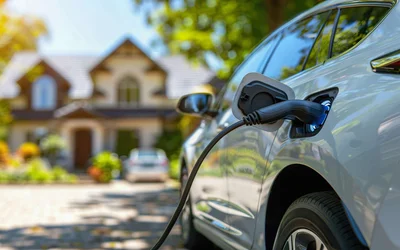
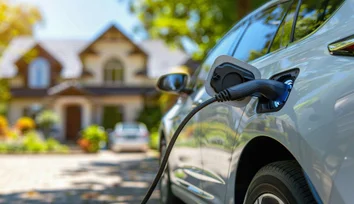
An electric car that runs on PV power sounds appealing. But is it really possible to enjoy flexibility with a vehicle charged through a home photovoltaic system? An ETH research team has reached some surprising conclusions.