EV Charging Levels: Level 1, Level 2, DC Fast Charging
This article details EV charging levels, covering AC charging, DC fast charging, power delivery, infrastructure needs, and key trade-offs.

19 Jun, 2026. 14 minutes read
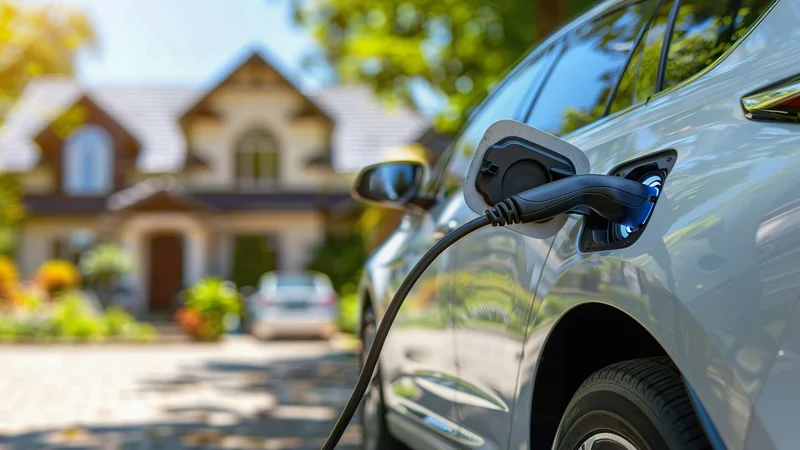
EV Charging
Key Takeaways
AC-to-DC Conversion Architecture: Level 1 and Level 2 charging deliver alternating current to the vehicle; the onboard charger converts it to direct current for the EV battery.
Level 1 Operational Limits: Level 1 charging uses a 120 V AC supply and is slow, commonly adding about 2 to 5 miles of range per hour depending on vehicle efficiency and EVSE output.
Level 2 Power Delivery: Level 2 charging uses 240-volt residential power or 208 V commercial power, with equipment ranging from roughly 2.9 to 19.2 kW and some units operating at 40 to 80 amps.
DC Fast Charging Dynamics: DC fast charging, often called Level 3 charging, converts AC to DC in the charging station and supplies direct current to the vehicle at much higher power output, commonly for highway and high-utilization public charging.
Charging Speed Determinants: Charging speed is not determined solely by the station. It also depends on the onboard charger, electrical capacity, battery state of charge, battery temperature, vehicle limits, and the EVSE power rating.
Connector Standardization Framework: Connectors are related to, but separate from, charging levels: J1772 is common for AC, CCS and CHAdeMO are DC fast charging connector families, and NACS or SAE J3400 supports both AC and DC use cases.
Introduction
EV charging is often described as Level 1, Level 2, and Level 3, but the most important engineering distinction is not the label. It is where AC-to-DC conversion happens. Level 1 and Level 2 deliver AC power to the vehicle, where the onboard charger rectifies and regulates current for the battery management system. DC fast charging moves that conversion hardware outside the vehicle and into the charging equipment, which is why the charging station can deliver much higher power than a typical onboard charger.
EV charging levels, therefore, represent more than convenience; they define infrastructure requirements, installation costs, electrical service capacity, and battery thermal management. Level 1 suits basic overnight use, Level 2 supports routine home, workplace, and fleet charging, while DC fast charging serves high-demand public corridors. Comparing EV charging levels helps engineers, facility planners, and drivers match charging solutions to vehicle needs, energy availability, and operational priorities.
Level 1 Charging: 120 V AC, Simple Infrastructure, Low Power
Level 1 EV charging is the simplest form in North America. It uses a standard 120 V AC supply, typically through a portable charging cord supplied with the vehicle or purchased as compatible Electric Vehicle Supply Equipment (EVSE). The Alternative Fuels Data Center (AFDC) describes Level 1 as 120 V AC with a J1772 connector on the vehicle side for non-Tesla AC charging, and notes that many EVs come with a portable cordset.
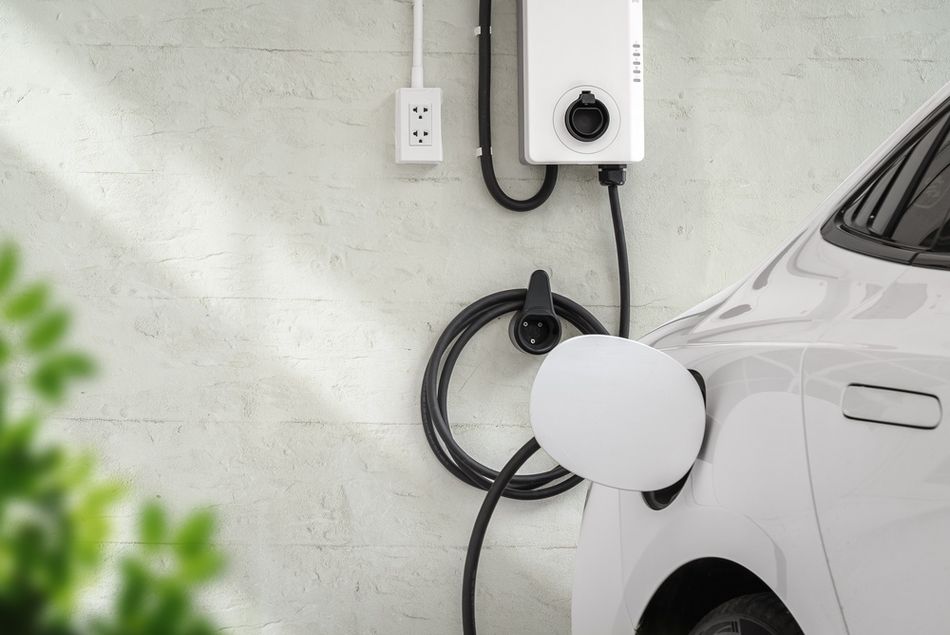
Electrically, Level 1 is limited by the branch circuit. The common household receptacle is not intended to behave like a high-power fueling appliance. Portable EVSE communicates available current to the vehicle, closes contactors only when the connection is safe, and provides ground-fault protection and other safety functions. The onboard charger of the vehicle then converts AC to DC and charges the battery within the limits set by the EVSE, the charger, and the battery management system.
The benefit is accessibility. 120V outlet is far more common than a 240-volt outlet near a parking space. For plug-in hybrids and PHEV drivers with smaller battery packs, Level 1 can be entirely adequate. It also works for battery-electric vehicles driven short distances each day. AFDC gives the useful example that 8 hours at 120 V can replenish about 40 miles of electric range for a mid-size EV, assuming about 5 miles of range per hour.
The limitation is energy throughput. A vehicle that consumes 30 kWh per 100 miles needs about 0.30 kWh per mile at the battery, before charging losses. This implies that, at roughly 1.4 kW from a typical 120 V, 12 A draw, Level 1 charging the battery is slow. It is good for overnight top-ups and low daily mileage, but a large battery pack that arrives home nearly empty may need more than a day to refill.
For engineering and facilities planning, the key concerns are circuit quality, load duration, and safety. EV charging is a continuous electrical load, so weak receptacles, undersized wiring, poor grounding, shared circuits, or extension cords can increase the risk of overheating and failure. For long-term Level 1 use, a dedicated circuit inspected or installed by a qualified electrician is the safer and more reliable approach.
Recommended Reading: The Future of EV Charging
Level 2 Charging: 240-Volt AC as the Daily Charging Workhorse
Level 2 charging is the mainstream solution for daily electric vehicle charging because it raises voltage while keeping the conversion hardware inside the vehicle. In residential settings in the United States, Level 2 typically uses 240 volts from split-phase service. In many commercial buildings, it uses 208 V from three-phase service. The Alternative Fuels Data Center (AFDC) states that Level 2 equipment operates through 240 V residential or 208 V commercial service and that Level 2 units can range from 2.9 to 19.2 kW. [1]
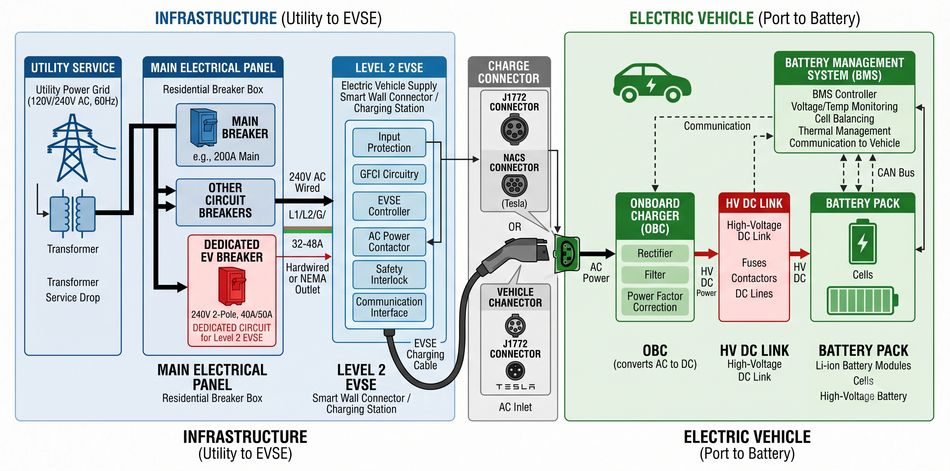
From an engineering perspective, the EVSE does not directly charge the battery in the power-electronics sense. Instead, it supplies AC power, supervises the connection, communicates the available current, provides safety protection, and energizes the conductors only after a safe handshake with the vehicle. The onboard charger of the vehicle then performs AC rectification, power-factor correction, DC regulation, isolation where required by design, and coordination with the battery management system.
The common Level 2 charging sizes include 16 A at 240 V, or about 3.8 kW; 32 A at 240 V, or about 7.7 kW; 40 A at 240 V, or about 9.6 kW; and 48 A hardwired units, which provide about 11.5 kW. At the upper end, 80 A at 240 V reaches 19.2 kW, which aligns with AFDC’s cited maximum range for Level 2 equipment. AFDC also notes that many residential Level 2 chargers operate up to 30 A and deliver around 7.2 kW, typically requiring a dedicated 40 A circuit under National Electrical Code Article 625.
The design tradeoff is between installation cost, panel capacity, and actual vehicle acceptance. Many homeowners do not need the maximum possible Level 2 charging rate. A 32 A or 40 A EVSE can replenish a large fraction of a modern EV battery overnight. A facilities planner, however, may prefer 48 A or higher where vehicles have short dwell times, or lower-power shared charging where many cars park for 8 to 10 hours.
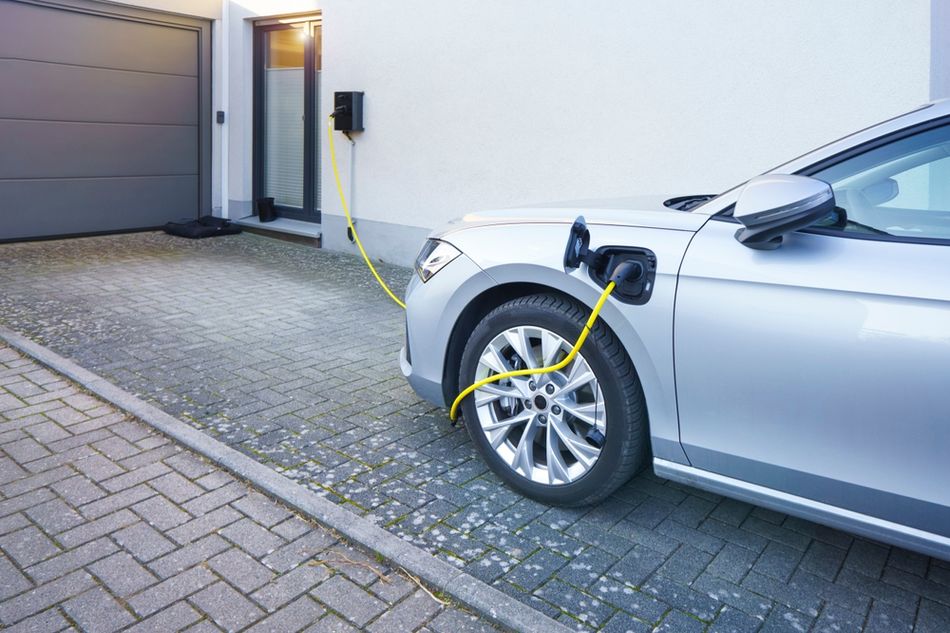
Level 2 is most valuable in home charging. It converts idle parking time into energy delivery. It also lets drivers schedule charging during off-peak utility periods where available. For apartment buildings and workplaces, Level 2 charging can be networked, access-controlled, metered, and load-managed so that many ports share limited electrical capacity. This is often more cost-effective than building a small number of very high-power DC fast charging stalls.
The electrical panel is the common constraint. A single 48 A EVSE typically requires a larger dedicated branch circuit than a 32 A unit, and multiple units can quickly exceed service capacity without load management. For fleets, the right answer is often not "install the biggest charger." It is "model dwell time, daily energy use, route variability, service capacity, and demand charges, then size the charging equipment."
Recommended Reading: Electric Vehicle Charging Station from Public Electricity and Solar Panels
Level 3 Charging and DC Fast Charging: High Power Outside the Vehicle
Level 3 charging is the common non-technical label for DC fast charging. The term is widely used, although many engineering sources prefer DC fast charging because the defining feature is not just "level" but direct-current delivery to the battery system. The Alternative Fuels Data Center (AFDC) describes DC fast-charging equipment as usually using three-phase AC input and supporting rapid charging along heavy-traffic corridors at power outputs up to 500 kW.
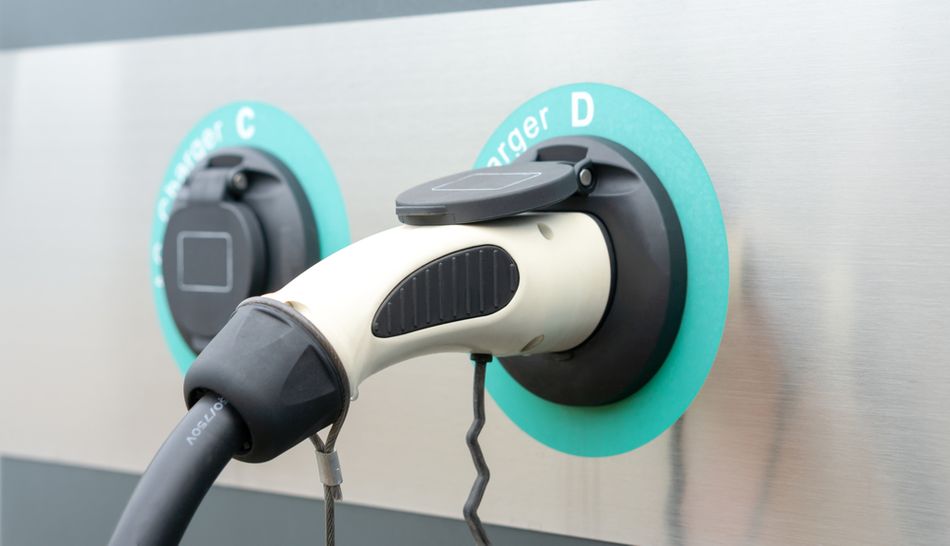
The power architecture is different from AC charging. Instead of sending AC to the onboard charger, the station rectifies grid AC into regulated DC. The station then communicates with the vehicle and delivers direct current through high-power conductors. The vehicle's battery management system remains in control of allowable voltage, current, temperature limits, contactor state, and charge termination. The onboard AC charger is not the bottleneck during DC fast charging.
This is why Level 3 EV charging can be much faster. A 150 kW station can theoretically deliver 50 kWh in 20 minutes at full power. In practice, charging is not constant-power from empty to full. The vehicle may accept peak power only over a limited state-of-charge window, then taper current as cell voltage rises, as pack temperature changes, or as the vehicle approaches its target state of charge. [2] Tesla notes that charging speeds slow as the battery charges and that reaching 100% typically takes significantly longer than reaching 80%.
Typical public DC fast charging hardware has evolved from 50 kW CHAdeMO and early CCS deployments to 150 kW, 250 kW, 350 kW, and higher site designs. Tesla Superchargers are a useful real-world example: Tesla states that V3 Superchargers can deliver up to 250 kW, while North American V4 Superchargers can charge the Model S, Model 3, Model X, and Model Y at up to 250 kW, and the Cybertruck at up to 325 kW. [4]
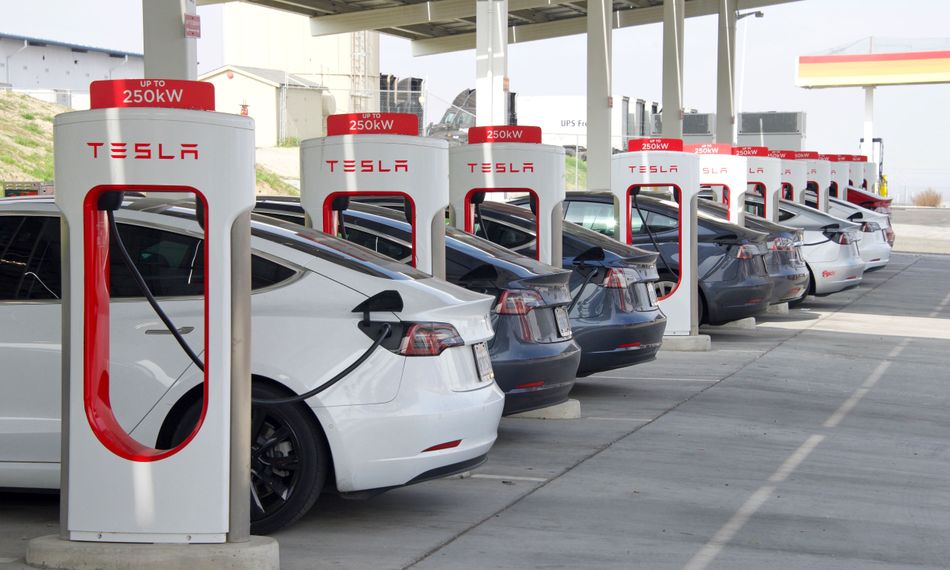
However, high power introduces major infrastructure tradeoffs. The site with four 350-kW DC fast-charging dispensers has a very different electrical profile from a row of Level 2 charging ports. Engineers must consider transformer capacity, switchgear, utility interconnection, trenching, conductor sizing, power cabinets, cable cooling, thermal management, networking, payment systems, accessibility, serviceability, and demand charges. Reliability is also critical because a failed public DC fast charger can leave a driver without a practical charging option, especially on highways or intercity routes.
DC fast charging is best for use cases where dwell time is short, or vehicle utilization is high. Highway charging, intercity travel, urban drivers without home charging, taxis, ride-hailing, emergency vehicles, and some fleet operations can justify the capital and demand cost. For daily charging, however, DC fast charging is often the more expensive option, not the default.
Recommended Reading: High Voltage Protection in DC Fast Charging
EV Charging Levels Compared
The table below is U.S.-centric and describes light-duty electric vehicle charging. The actual charging speed varies with battery capacity, vehicle efficiency, state of charge, pack temperature, charger rating, cable rating, and site electrical service. DOE and AFDC publish similar consumer-facing estimates: Level 1 is about 2 to 5 miles of range per hour, Level 2 is often around 10 to 30 miles of range per hour, and Level 3 can add about 100 to 200+ miles in 30 minutes under suitable conditions.
| Charging Level | Supply and voltage | Current Type to Vehicle | Typical Power Output | Typical Charging Speed | Typical Use |
| Level 1 | 120 V AC Outlet | AC to Onboard Charger | 1.0 to 1.9 kW | 2–5 miles/hour | Overnight Charging, PHEVs, Low-Mileage Use |
| Level 2 | 240 V Residential or 208 V Commercial AC | AC to Onboard Charger | 2.9 to 19.2 kW | 10–30 miles/hour | Home Charging, Workplaces, Apartments, Fleet Depots |
| Level 3 / DC Fast Charging | 3-Phase AC Input, DC Output to Vehicle | DC to Battery System | 50–350+ kW; Up To 500 kW | 20–80% in about 20–40 minutes | Highway Corridors, Public Hubs, Fleet Turnarounds, Taxis, Ride-Hailing |
The first engineering takeaway is that higher voltage and current increase available charging power. In simplified terms, power in kilowatts is approximately the product of voltage and current, divided by 1,000, before accounting for losses and system limits. A 120 V Level 1 circuit at 12 A provides about 1.44 kW. A 240 V Level 2 EVSE at 32 A provides about 7.7 kW, while an 80 A Level 2 unit reaches 19.2 kW. By comparison, a 150 kW DC fast charger delivers roughly twenty times the power of a common 7.2 kW home charging unit.
What Actually Sets Charging Speed?
The advertised charger rating is only one input. Real charging speed is the minimum of several constraints.
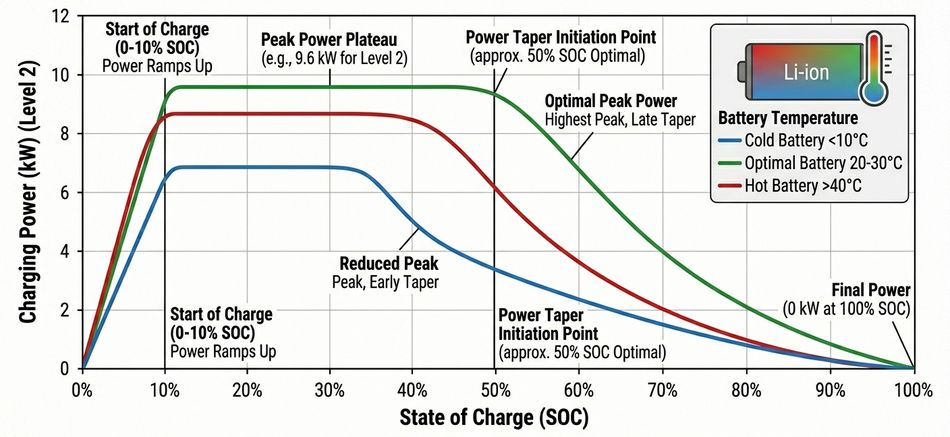
First, for Level 1 and Level 2 charging, the onboard charger is a hard limit. If the EVSE can supply 11.5 kW but the vehicle onboard charger is rated for 7.2 kW, the vehicle will charge at about 7.2 kW before losses and taper. Older and lower-cost EVs may have smaller onboard chargers, while higher-end vehicles often support 9.6 kW, 11.5 kW, or more on AC.
Second, the branch circuit and electrical capacity limit EVSE output. A 240-volt circuit can be built in many sizes, but the EVSE must be matched to the breaker size, conductor ampacity, installation method, local code, and continuous load requirements. For multi-port sites, managed charging can dynamically reduce amperage per vehicle so the total load stays within panel or transformer limits.
Third, the EV battery charge curve controls DC fast charging. Lithium-ion cells accept high current most comfortably when they are warm but not hot, at moderate state of charge, and within voltage limits. At high state of charge, the BMS tapers current to keep cell voltage and temperature within limits. In cold weather, the BMS may also reduce charging power until the pack warms. INL research on fast charging in cold temperatures found that battery management systems limit charging rate to avoid damage and that DCFC sessions can be much slower at low temperatures.
Fourth, battery health and thermal management matter. Repeated high-power charging raises cell stress, especially when combined with high temperature, high state of charge, or inadequate cooling. INL describes extreme fast charging as placing significant stress on every component of a battery, with degradation behaviour depending on the battery chemistry, materials, and electrode engineering. This does not mean occasional DC fast charging is inherently harmful, but it does mean heat, high current, and time spent near high state of charge are real engineering variables.
Finally, the station itself may derate. A charger can reduce output because of cable temperature, cabinet temperature, shared power modules, grid constraints, vehicle-station communication, connector wear, or software limits. This is why two cars at the same nominal DC fast charging site can see different speeds.
Recommended Reading: Enhancing EV Charging Safety and Efficiency: Integrating Advanced Protection and Sensing Technologies
Connectors by Charging Level: J1772, CCS, CHAdeMO, and NACS
Connectors should not be confused with charging levels. The charging level describes power class and AC versus DC behavior, while a connector defines the physical interface, signal pins, communication method, and power contacts.
For AC Level 1 and Level 2 charging in North America, SAE J1772 has been the dominant non-Tesla connector. AFDC states that Level 1 and Level 2 units use the same SAE J1772 connector to the vehicle, while public DC fast charging has historically used CCS, CHAdeMO, or NACS.
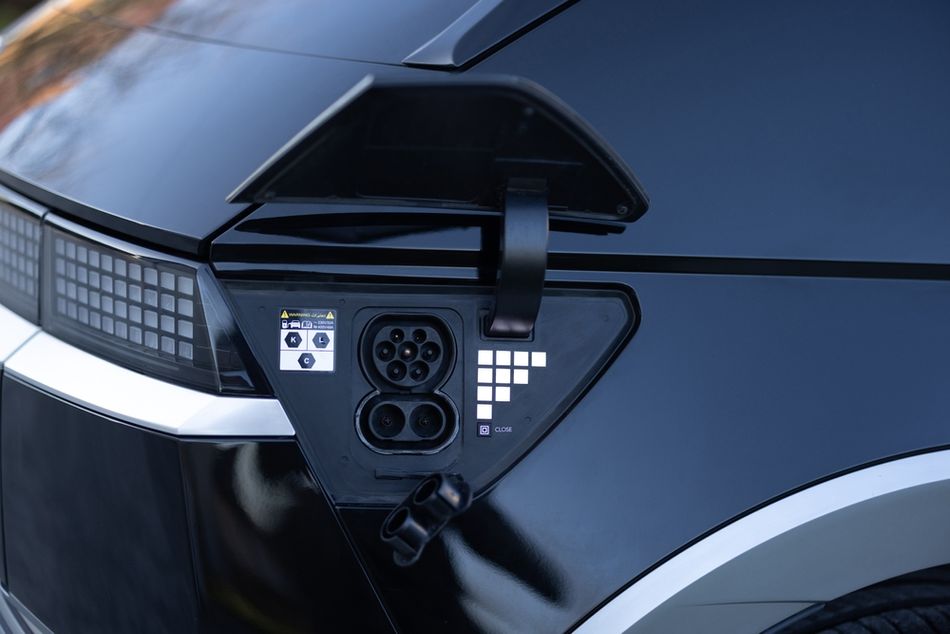
CCS, the Combined Charging System, extends the J1772 AC inlet with two large DC pins for fast charging. This is why a CCS1 vehicle can use AC Level 1, AC Level 2, and DC fast charging through a related inlet architecture. The DC connector is physically larger because it carries high-current direct current in addition to communication and safety signaling.

CHAdeMO is a separate DC fast charging connector family associated strongly with Japanese automakers. The Nissan Leaf is the practical example many engineers and buyers know: the 2024 Nissan LEAF brochure listed a 6.6 kW onboard charger, a 120 V/240 V portable charge cable, and CHAdeMO quick-charge ports rated 50 kW or 100 kW depending on trim. Newer vehicle strategy has shifted, however. Nissan's current 2026 LEAF information says the all-new model uses dual charging ports for Level 3 NACS fast charging and Level 2 standard charging.
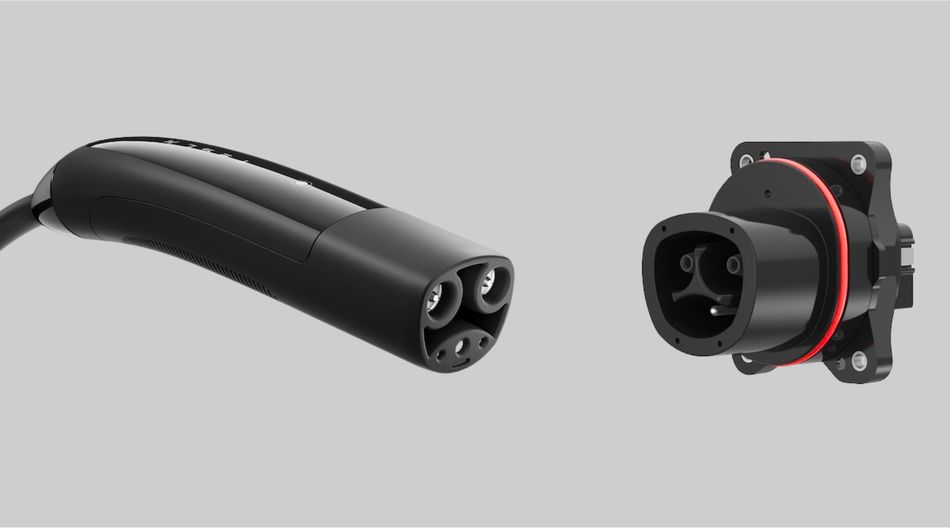
NACS, now standardized through the SAE J3400 family, is different because the same compact connector format supports AC charging and DC fast charging. [3] The Joint Office notes that the NACS connector, originally developed by Tesla, works for AC Level 1 and Level 2 as well as DC charging, using the same pins for AC and DC power transfer. SAE's J3400 materials describe the standard as defining the North American Charging System for electric vehicles.
For a more detailed comparison of connector types, see the dedicated EV charging connector types guide.
Practical Tradeoffs for Engineers, Buyers, and Facilities Planners
The best charging level is the one that matches dwell time, daily energy demand, electrical capacity, and reliability needs.
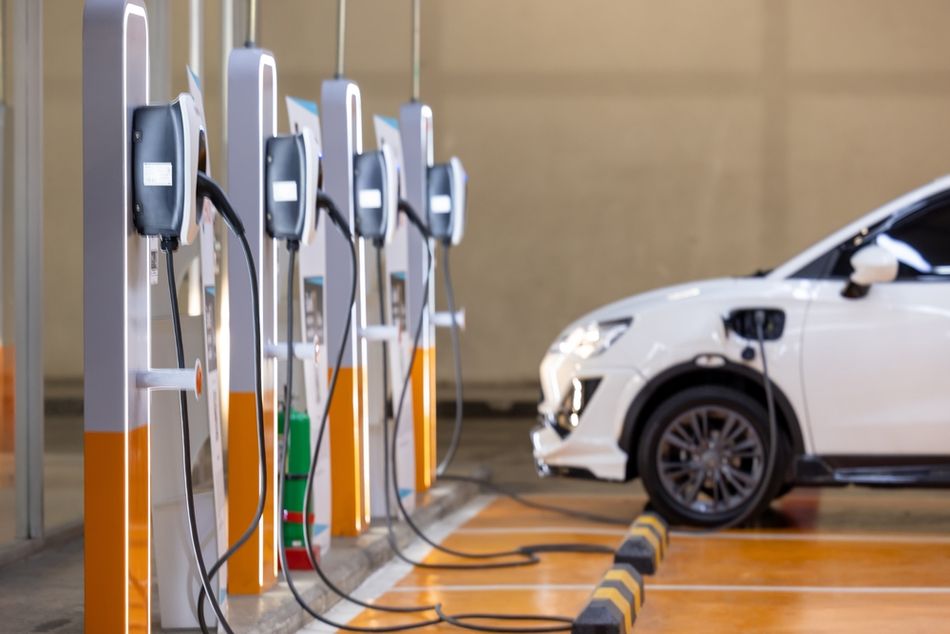
For a technical EV buyer with reliable parking, Level 2 home charging is usually the best baseline. It avoids the time cost of public charging, reduces dependence on DC fast charging, and can use lower-cost off-peak electricity where available. The main engineering check is whether the electrical panel can support the desired EVSE amperage or whether a load-management device, subpanel, service upgrade, or lower-current EVSE is more appropriate.
For plug-in hybrids, Level 1 may be enough. PHEVs have smaller battery packs than battery-electric vehicles and can fall back on liquid fuel when needed. A dedicated Level 2 circuit may still be useful for convenience, faster turnaround, or future EV readiness, but the daily energy requirement is usually modest.
For workplaces and multifamily buildings, Level 2 charging often offers the best utility-to-infrastructure cost ratio. Many vehicles sit for hours, so lower-power ports can deliver useful energy without requiring DCFC-scale service. Networked load management can make 10, 20, or 50 ports feasible where unmanaged nameplate load would exceed available capacity. [5]
For fleets, the analysis should start with duty cycle. A delivery van that returns to depot for 12 hours is a different problem from a ride-hailing vehicle that needs several fast top-ups per day. Level 2 may be ideal for overnight depot charging; DC fast charging may be required for midday opportunity charging or high-mileage public-service routes.
For highway corridors and urban charging hubs, DC fast charging is essential because dwell time is short and energy demand is high. The tradeoff is capital intensity. Site hosts must plan for utility interconnection timelines, transformer capacity, switchgear, demand charges, charger uptime, accessibility, stall geometry, cable reach, connector mix, software reliability, and maintenance support.
The engineering challenge is not simply installing chargers. It is designing an energy delivery site that remains reliable under peak traffic, weather variation, equipment faults, and mixed-vehicle demand.
Conclusion
EV charging levels are best understood as a power-conversion hierarchy. Level 1 charging uses 120 V AC and is slow but widely available. Level 2 charging uses 240-volt residential or 208 V commercial AC and is the practical daily solution for most EV drivers, facilities, and many fleets. DC fast charging supplies direct current from high-power external equipment to the vehicle battery system, making Level 3 charging the right tool for road trips, public fast-charge hubs, and high-utilization vehicles.
Future trends point toward more managed Level 2 charging, more reliable public charging stations, higher-power DC fast charging for short dwell times, and wider adoption of NACS or SAE J3400 alongside CCS infrastructure during the transition. The enduring engineering principle will not change: match the charging equipment to the vehicle, use case, electrical capacity, battery limits, and required turnaround time.
Frequently Asked Questions
Q. What is the difference between Level 1, Level 2, and Level 3 EV charging?
A. Level 1 uses 120 V AC and is the slowest. Level 2 uses 240 V residential or 208 V commercial AC for daily charging. Level 3, or DC fast charging, uses external conversion hardware to deliver DC directly to the battery system.
Q. Is Level 2 charging always better than Level 1 charging?
A. Not always. Level 2 is better for most battery-electric vehicles because it restores energy faster. Level 1 can suit plug-in hybrids, short commutes, and overnight top-ups when installation cost or panel capacity limits Level 2 upgrades.
Q. How many miles of range per hour does Level 2 charging add?
A. Level 2 typically adds about 10 to 30 miles of range per hour. The exact result depends on EVSE output, onboard charger rating, vehicle efficiency, temperature, charging losses, and the battery’s state of charge.
Q. Why is DC fast charging faster than AC charging?
A. DC fast charging is faster because large station-side power electronics convert grid AC into regulated DC. This bypasses the onboard AC charger, while the battery management system still limits current, voltage, and temperature for safe charging.
Q. Can frequent DC fast charging hurt battery health?
A. Frequent DC fast charging can add stress, especially at high current, extreme temperatures, or high states of charge. Modern EVs manage this with thermal controls and charging curves, but Level 2 remains gentler for routine daily charging.
Q. What connectors are used for each charging level?
A. In North America, SAE J1772 is common for AC Level 1 and Level 2 on non-Tesla vehicles. DC fast charging uses CCS, CHAdeMO, or NACS/J3400. Connector compatibility depends on the vehicle inlet and approved adapters.
Q. What should a facility planner install: Level 2 or DC fast charging?
A. Choose based on dwell time and energy demand. Level 2 suits vehicles parked for hours and scales well with load management. DC fast charging fits rapid turnaround, corridor charging, high-mileage fleets, and limited parking windows.
References
[1] U.S. Department of Energy Alternative Fuels Data Center. Electric Vehicle Charging Stations [Cited 2026 June 10]; Available at: Link
[2] U.S. Department of Energy Energy Saver. How To Charge Electric Vehicles? [Cited 2026 June 10]; Available at: Link
[3] Joint Office of Energy and Transportation. SAE J3400 Charging Connector [Cited 2026 June 10]; Available at: Link
[4] Tesla Support. Supercharging [Cited 2026 June 10]; Available at: Link
[5] Nissan USA. EV Range, Charging & Battery [Cited 2026 June 10]; Available at: Link
in this article
1. Key Takeaways2. Introduction 3. Level 1 Charging: 120 V AC, Simple Infrastructure, Low Power4. Level 2 Charging: 240-Volt AC as the Daily Charging Workhorse5. Level 3 Charging and DC Fast Charging: High Power Outside the Vehicle6. EV Charging Levels Compared7. What Actually Sets Charging Speed?8. Connectors by Charging Level: J1772, CCS, CHAdeMO, and NACS9. Practical Tradeoffs for Engineers, Buyers, and Facilities Planners10. Conclusion11. Frequently Asked Questions12. References