Featured
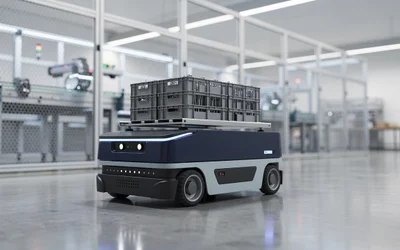
Engineering motion systems for availability, serviceability, and lifecycle cost.
Engineering motion systems for availability, serviceability, and lifecycle cost.
Engineering motion systems for availability, serviceability, and lifecycle cost.
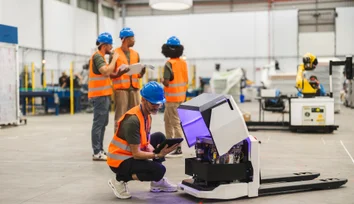
Engineering smarter logistics through asset visibility, operational intelligence, and connected tracking systems.
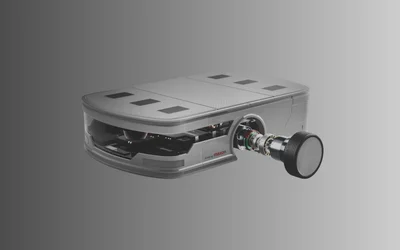
An AMR engineering decision guide to making the right wheel drive choice for your project.
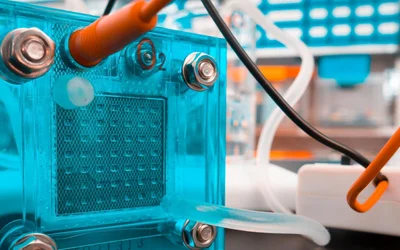
A PEM fuel cell converts hydrogen and oxygen into electricity at around 80 degrees C, with water and heat as the only products. This guide covers electrochemistry, layer materials, efficiency limits, and cost and durability to help you understand the practical applications of this technology.
14 minutes read.
14 minutes read.
12 minutes read.
13 minutes read.
15 minutes read.
14 minutes read.


Electronics
Mouser Electronics is a worldwide leading authorized distributor of semiconductors and electronic components.
219 Posts

Electrical and Electronic Manufacturing
Drop-in power cords that improve battery performance.
18 Posts
Engineering motion systems for availability, serviceability, and lifecycle cost.
Why Reliable Motion Systems Matter in Modern Warehouse Automation
As robotics shifts from innovation showcases to real-world deployment, motion systems play a vital role in this next stage of robotics.
Specialized design and manufacturing of robotic systems for chemical, nuclear, and high-risk industrial applications.
The connectivity foundation for advanced driver assistance systems, software-defined vehicles, zonal architectures and electrified powertrains.
Engineering principles, BTMS architectures, and design tradeoffs.
This article explains EV charging connector types, including AC, CCS, Tesla, CHAdeMO, GB/T, and NACS, with regional compatibility.
This article details EV charging levels, covering AC charging, DC fast charging, power delivery, infrastructure needs, and key trade-offs.
Engineering motion systems for availability, serviceability, and lifecycle cost.
Engineering smarter logistics through asset visibility, operational intelligence, and connected tracking systems.
An AMR engineering decision guide to making the right wheel drive choice for your project.
Why Reliable Motion Systems Matter in Modern Warehouse Automation
Two new parts move an existing super junction die into a top-side-cooled package. In production now, with a 16-week lead time.
Physical AI is based on the idea that intelligence shouldn't stop at perception: instead, it should bring to life systems able to sense their environment, reason about it, and act on it – all in one continuous loop. It's what makes the difference between a device that observes and one that acts.

7 minutes read
A PEM fuel cell converts hydrogen and oxygen into electricity at around 80 degrees C, with water and heat as the only products. This guide covers electrochemistry, layer materials, efficiency limits, and cost and durability to help you understand the practical applications of this technology.
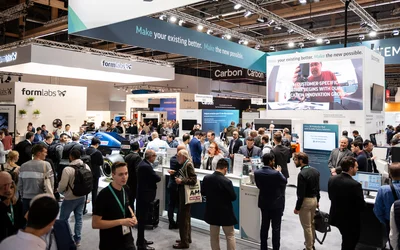
Formnext 2026 will provide automotive, transportation, and mobility companies with a unique gateway to the global additive manufacturing ecosystem.
As robotics shifts from innovation showcases to real-world deployment, motion systems play a vital role in this next stage of robotics.
This article explores the LiFePO4 voltage chart, covering SOC and voltage for 3.2V, 12V, 24V & 48V systems, charging and BMS cutoffs.
How Connectors Shape Charging and Battery Innovation
Understanding cell chemistry, safety, energy density, and manufacturing realism.
The rapid growth of new energy vehicles (NEVs), particularly electric vehicles (EVs), is reshaping automotive manufacturing. CNC machining enables the precise, repeatable production of lightweight, complex EV components, improving efficiency, reliability, and overall vehicle performance.

3 minutes read
The connectivity foundation for advanced driver assistance systems, software-defined vehicles, zonal architectures and electrified powertrains.
Engineering tradeoffs for cost, safety, cycle life, and system design.