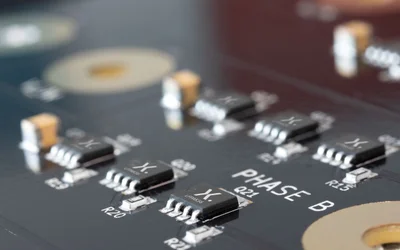
This guide offers engineers an in-depth understanding of H Bridge motor control, explaining its basics, topologies, switching strategies, design, optimization, and practical considerations for next-generation engineering projects.
Discover how radar sensors enhance building safety, traffic control, and asset management with reliable vehicle detection solutions for docks, parking, drive-thrus, and toll applications.
Modular high-voltage PDU architectures enable scalable power
distribution using standardized components. This approach
reduces tooling requirements, supports platform reuse, improves
serviceability, and accelerates integration in EV systems.
This guide offers engineers an in-depth understanding of H Bridge motor control, explaining its basics, topologies, switching strategies, design, optimization, and practical considerations for next-generation engineering projects.

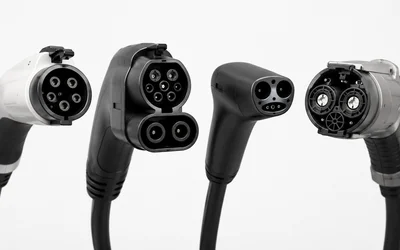
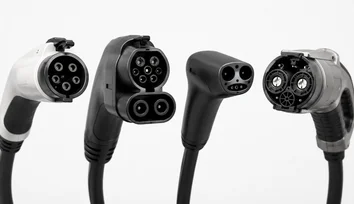
Electric vehicles face significant barriers to their adoption. Harwin delivers connectors to help designers create the next phase of charging infrastructure.
In this episode, we delve into the remarkable achievement of the German Aerospace Center (DLR) as they successfully execute the maiden flight of their hybrid demonstrator aircraft.
Inspired by Einstein’s doings, findings and life philosophy of constant curiosity, creativity and problem-solving – one of the reasons he went into physics – Joseph argues that the struggles one goes through can take a positive twist if we look at them as opportunities to learn crucial skills such as empathy.
Learn how EV charger manufacturers can bring connected products to market faster, adhere to strict security standards that meet regulatory requirements, future-proof their designs, and win over skeptical consumers.
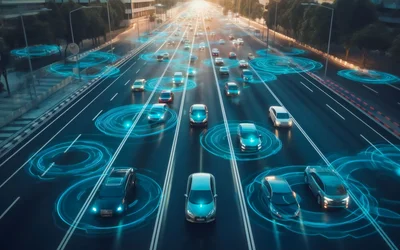
In this episode, we discuss a joint effort between the Laboratory for Information and Decisions Systems and the Institute for Data, Systems, and Society at MIT to tackle the trust issue with autonomous vehicles.

HyBird is a small, hybrid-electric aircraft concept. Its goal is to serve routes of less than 1000 kilometres and with low passenger volumes in a climate-compatible way. The German Aerospace Center (DLR) has now successfully conducted the first flight of a 1:4 scale demonstrator of HyBird at the National Experimental Test Center for Unmanned Aircraft Systems in Cochstedt.
In this episode, we discuss a novel new approach for increasing the field of view of autonomous systems by leveraging reflections of blindspots on reflective bodies.
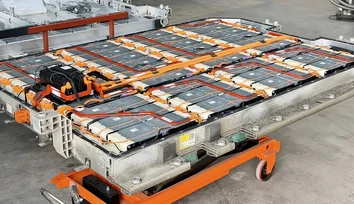
The team’s new battery system could enable electric vehicles to run longer on a single charge and would be cheaper to manufacture — all while having a positive impact on the environment.
In this episode, we discuss the megawatt electric motor design from MIT that aims to address a critical and unspoken shortcoming regarding the future of electric flight: generating enough thrust.
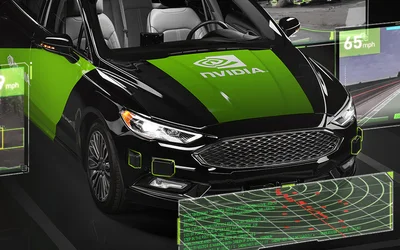
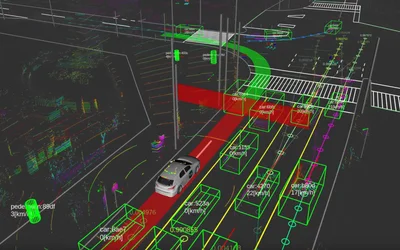
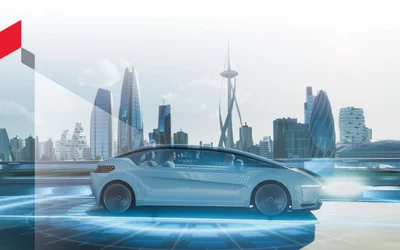
Autonomous Vehicles (AVs) are poised to revolutionize human transportation by making it more safe, comfortable, and reliable. From passenger travel to cargo transportation, AVs equipped with AI and sensors offer tremendous potential.
The Inflation Reduction Act directs nearly $400 billion to clean energy incentives including $47 billion allocated for manufacturing. This article concentrates on the advantages offered to businesses.
Battery technology is still in its infancy. Electric car batteries underperform and are a potential hazard. As the number of batteries used increases exponentially, it is only a matter of statistics and time before we see more of them bursting into flames in electric vehicles (EV) and e-bikes. Yet, the EV trend will not only continue, but future growth will also be explosive (pardon the pun).
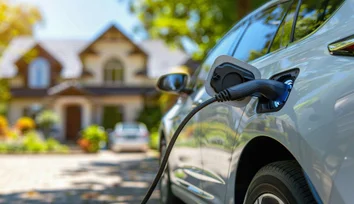
Go green and save green with electric vehicles! Unlike traditional internal combustion engine (ICE) vehicles, electric vehicles run on batteries, cutting down on harmful greenhouse gas emissions and saving energy. While the initial cost may be higher, the long-term savings are worth it, especially as electric vehicles become more affordable and accessible.
As part of TechBlick series on additive and printed electronics, Michael LeFebvre draws upon his four decades of industry experience to highlight 3 recent technical and application innovations impacting transparent 5G antennas, ADAS, and wearable therapy all based on printed & additive electronics
The automotive industry undergoes a profound transformation through the IoT's power. Vehicle connectivity and autonomous driving redefine transportation, offering innovative opportunities. Embracing IoT's potential, our daily lives are poised for a significant shift in the automotive sector.