Featured
3D printing can offer a wide range of advantages over more traditional manufacturing techniques. However, in general there are four major areas where it can come out in front of those processes.
This Report shows how tools like artificial intelligence, digital twins, and on-demand manufacturing are no longer emerging concepts, but are already delivering measurable impact across the product lifecycle.
3D printing can offer a wide range of advantages over more traditional manufacturing techniques. However, in general there are four major areas where it can come out in front of those processes.
In this episode, we reflect on some of our favorite topics from 2021 and discuss the goals for the podcast in 2022.
In this episode, we talk about how a breakthrough with compact laser nano-printers can make them more accessible for researchers and how leveraging 3D printing technology and machine learning will provide essential insight for developing next-gen cochlear implants.
An engineer’s guide to understanding the state of the art in metal 3D Printing
15 minutes read.
22 minutes read.
11 minutes read.
18 minutes read.
12 minutes read.
16 minutes read.


Entertainment
The Next Byte Podcast is hosted by two young engineers - Daniel and Farbod - who select the most interesting tech/engineering cont...
165 Posts
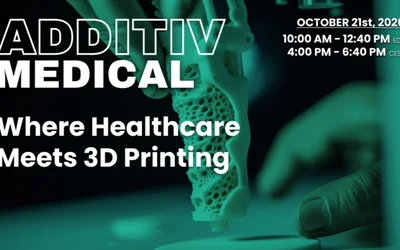
ADDITIV Medical 2026 will bring together more than 500 medical professionals
Choosing between 3D printing and injection molding is one of the key decisions in product development—especially in case of prototyping.
Explore how the right finishes and coatings can improve aerospace parts by boosting durability, extending service life, enhancing environmental resistance, and delivering the performance and appearance required for demanding applications.
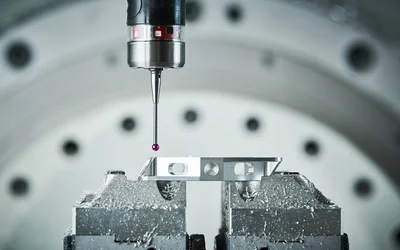
The choice between 3D printing and CNC machining is the most common decision regarding manufacturing methods that must be made before placing the first order for prototypes. The correct answer depends on tolerance requirements, material specifications, component geometry, and schedule.
Discover how iAM Marketplace simplifies industrial additive manufacturing by unifying materials, validation services, and multi-brand technologies into one open ecosystem for efficient AM sourcing.
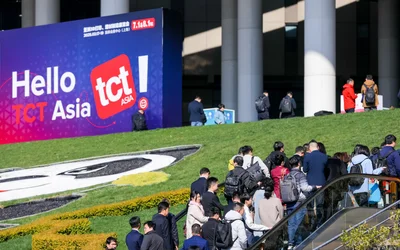
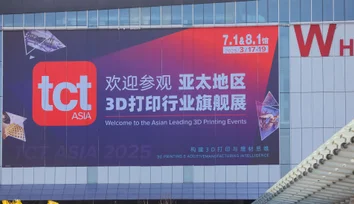
This article discusses what attendees can expect from TCT Asia 2026, including its conference format, focus areas, and the experts contributing to industry-specific discussions.
This article discusses the exhibitors, products, and industrial trends defining additive manufacturing across the Asia-Pacific region at TCT Asia 2026.
This article discusses how the Asia-Pacific region is advancing additive manufacturing and the role of TCT Asia as the leading 3D printing and additive manufacturing event in the Asia-Pacific.
3D printing can offer a wide range of advantages over more traditional manufacturing techniques. However, in general there are four major areas where it can come out in front of those processes.

4 minutes read
In this episode, we reflect on some of our favorite topics from 2021 and discuss the goals for the podcast in 2022.

In this episode, we talk about how a breakthrough with compact laser nano-printers can make them more accessible for researchers and how leveraging 3D printing technology and machine learning will provide essential insight for developing next-gen cochlear implants.
Rosti provide injection molding and contract manufacturing services to industries as diverse as packaging, consumer and business appliances, automotive, and healthcare and medical.

4 minutes read
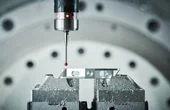
Boosting the quality and repeatability of parts by decreasing tool deflection to fulfill customers' precision demands is critical. Tool deflection leads to rapid tool wear and elevates the possibility of tool breakage.

5 minutes read
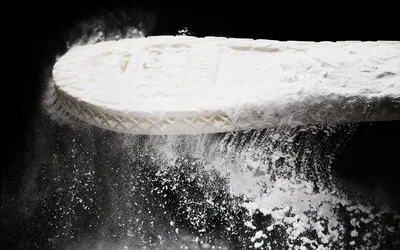
Impact Footwear is a startup that developed the first customizable flip flop sandal with three different pressure zones that is manufactured-on-demand with SLS 3D printing.

6 minutes read
With the help of Ultimaker 3D printers, Ones Technology offers 25-30 products designed to be mass produced.
3 minutes read
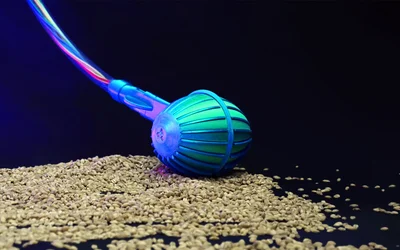
Based on the 'Crover Effect' for locomotion in granular media, the CROVER robot is able to move through bulk solids and powders. The team wins $25,000 of manufacturing support from Mitsubishi Chemical Advanced Materials to take their design to the next level.
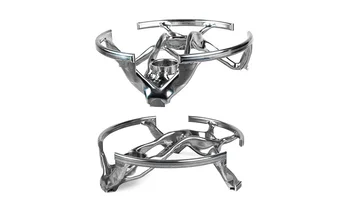
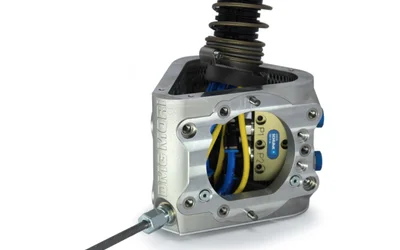
The engineers of DMG MORI’s ADDITIVE INTELLIGENCE team redesigned the Robo2Go head for additive manufacturing using nTopology. The new design is 62% lighter, has 60% fewer components, and improves the handling precision of the robot by a factor of 16x.
6 minutes read
New 3D printing technology Multi Jet Fusion (MJF) may appear to be a replacement for selective laser sintering (SLS) after all both build parts from thermoplastic nylon but MJF is faster, more precise and produces more consistent mechanical properties throughout the part.
3 minutes read
Studio Artefact specializes in “themed immersive experiences” uses 3D printing to create awe-inspiring structures and decorations. At present, Studio Artefact operates a fleet of six BigRep large-format 3D printers. The team works mainly with PETG, and has seen its horizons widen exponentially with each additional 3D printer installed. Prior to 3D printing, it would make most of its large structures with styrofoam sculpting, welding, and woodworking technique, which was painstaking and took much longer than 3D printing, placing a limit on productivity and profitability.

5 minutes read
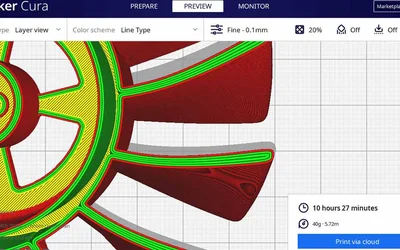
Earlier this year, we announced that we are working on a major enhancement to the Ultimaker Cura slicing algorithm: the Arachne engine. Arachne is a revolutionary improvement to the way prints are sliced, enabling you to quickly create parts with high quality and strong walls.
2 minutes read
3D printing offers many benefits to the oil and gas industry including guaranteed quality standards, greater flexibility of design parts, less product development time, reduced carbon emissions, less waste, reduced costs and rapid turnaround from order receipt to product delivery.
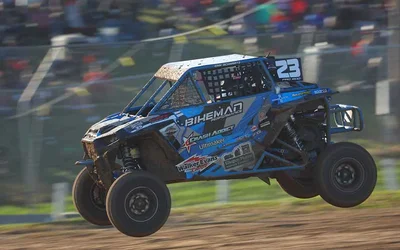
Owner and driver, Erik Schwartz of Schwartz Off Road Motorsportz is an engineer by trade and spends all of his free time tinkering and maintaining his vehicle to compete in the Championship Off Road Series. Schwartz has become adept at making improvements on the fly.
6 minutes read
Ultimaker Cura 4.12 has officially landed – and is the result of hours of print process testing and optimizations by our talented and passionate materials and software engineers.
3 minutes read