Featured

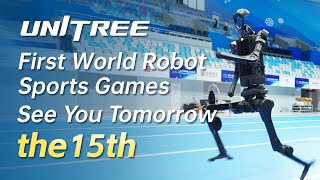
A historic moment in human history: The first-ever humanoid robot combat competition(Livestream)
A historic moment in human history: The first-ever humanoid robot combat competition(Livestream)
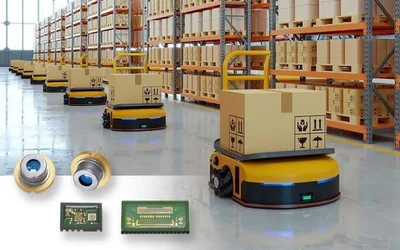
Distance image sensors utilize the indirect time-of-flight (TOF) technique to precisely determine the range to a target object. By emitting pulse-modulated light, these sensors capture reflected signals and process the information in real time.
Discover why open-source solutions are the future, whether you choose Arduino or not!
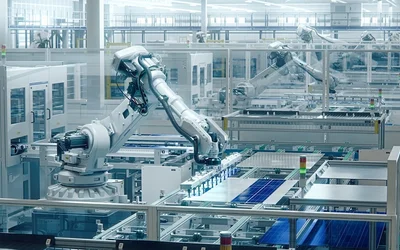
This comprehensive article dives deep into the world of robotics, exploring the history, types, engineering components, applications, and future trends of robots, offering readers an in-depth understanding of how these remarkable machines work and shape our lives.
16 minutes read.
21 minutes read.
16 minutes read.
23 minutes read.
19 minutes read.
27 minutes read.


University
At the Harvard John A. Paulson School of Engineering and Applied Sciences (...
42 Posts

Robotics & Automation
READY Robotics is a robotics software company that vastly simplifies robot ...
24 Posts

Automation Machinery Manufacturing
We are a company in flying robotics, specializing in Non-destructive inspec...
23 Posts
Everyone, guess how fast is it?
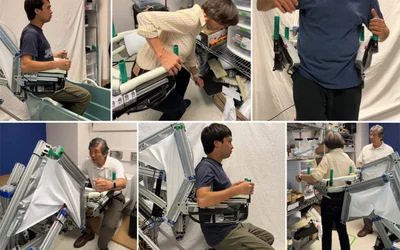
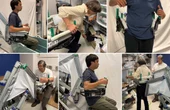
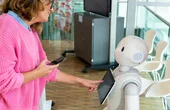
The new design could assist the elderly as they age in place at home.
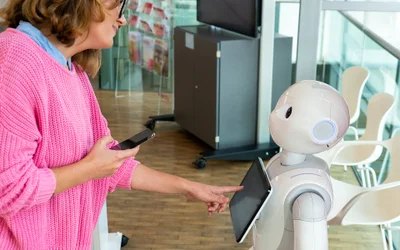
The hospitality industry can leverage the gender characteristics of service robots to influence customers' decisions, according to new research from a team in the Penn State School of Hospitality Management.
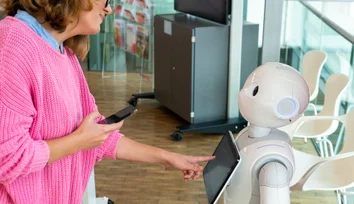
Service robots have evolved from simple automated machines to intelligent adaptive systems that can navigate unpredictable environments and interact with humans.
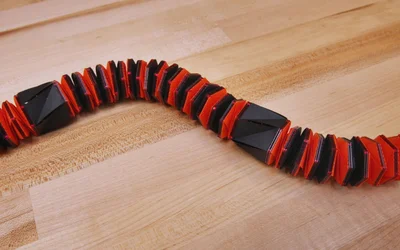
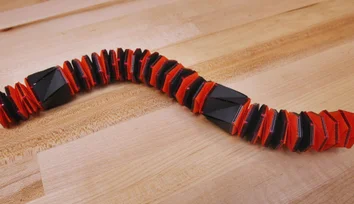
Engineers at Princeton and North Carolina State University have combined ancient paper folding and modern materials science to create a soft robot that bends and twists through mazes with ease.
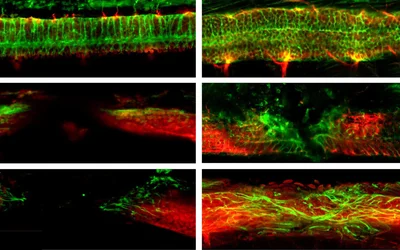
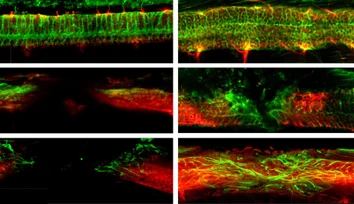
A research team from ETH Zurich and the University of Zurich (UZH) has developed a novel approach to treating spinal cord injuries: controllable microrobots deliver stem cells directly to the site of an injury, where they promote nerve cell regeneration.
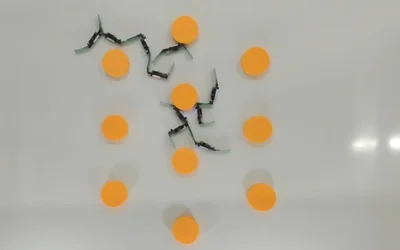
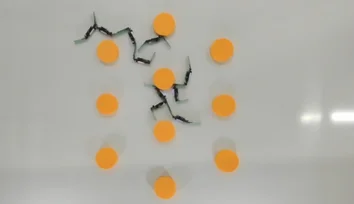
Cornell engineers have developed a robotic collective that behaves less like a machine and more like a material that flows, reshapes and adapts to its environment without centralized control.
From hospital wards to crop fields, from microscopic swarms to biohybrid machines powered by fungi, robotics research at Cornell spans an astonishing range of scale, application and ambition.
A historic moment in human history: The first-ever humanoid robot combat competition(Livestream)

Distance image sensors utilize the indirect time-of-flight (TOF) technique to precisely determine the range to a target object. By emitting pulse-modulated light, these sensors capture reflected signals and process the information in real time.
Discover why open-source solutions are the future, whether you choose Arduino or not!

3 minutes read
An engineer's guide to understanding and selecting the right Single Board Computer.
Enabling precision, efficiency, and miniaturization in industrial automation through advanced photonics.
By combining high-precision sensors with sophisticated algorithms, TDK's 6-axis IMU sets a new standard for motion control in the field of service robotics.
Wi-Fi®, 4G, LoRa®, and Matter - explained through example use cases and Arduino recommendations!
4 minutes read
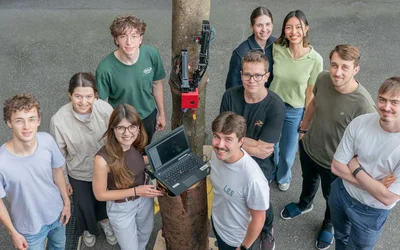
Around 100 Bachelor's students from the Department of Mechanical and Process Engineering have spent two semesters working on their Focus projects in 11 teams. They will present the results of their projects on 28 May.

2 minutes read
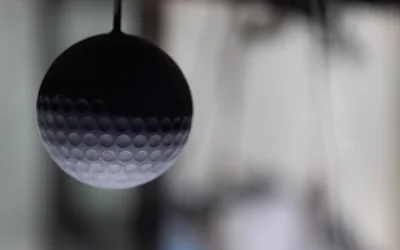
A spherical prototype with "nimble dimples" can change its surface from smooth to dimpled, cutting through drag and generating lift.

4 minutes read
Segments of daily training for robots driven by reinforcement learning. Multiple tests done in advance for friendly service humans. The training includes some extreme tests, please do not imitate!
The new design could assist the elderly as they age in place at home.
With a novel simulation method, robots can guess the weight, softness, and other physical properties of an object just by picking it up.
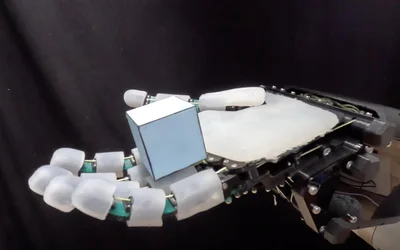
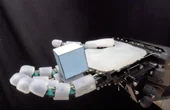
A robotic hand developed at EPFL can pick up 24 different objects with human-like movements that emerge spontaneously, thanks to compliant materials and structures rather than programming.

3 minutes read
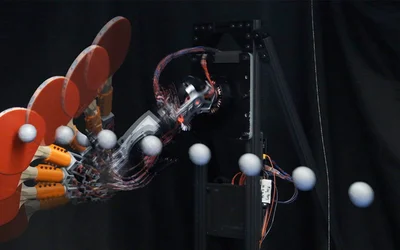
In addition to training future players, the technology could expand the capabilities of other humanoid robots, such as for search and rescue.
The hospitality industry can leverage the gender characteristics of service robots to influence customers' decisions, according to new research from a team in the Penn State School of Hospitality Management.

3 minutes read