Featured
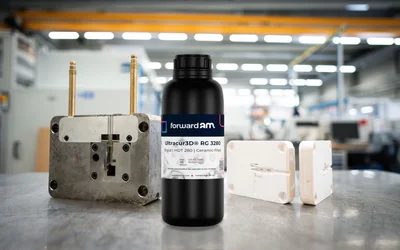
Create unique, complex geometries with overmoulds by leveraging PolyJet 3D printing
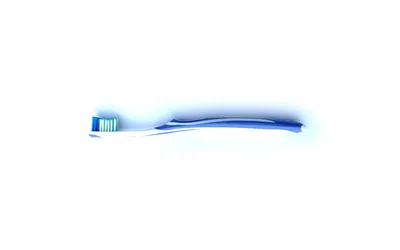
Create unique, complex geometries with overmoulds by leveraging PolyJet 3D printing
Create unique, complex geometries with overmoulds by leveraging PolyJet 3D printing
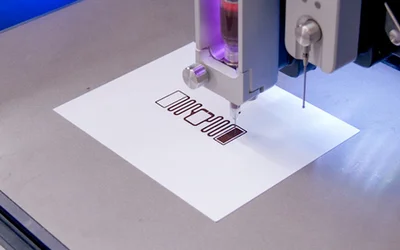
Radio Frequency Identification (commonly known as RFID) is a technology that leverages wireless communication over radio waves to both transfer data and locate objects.
At Protolabs, we have the privilege to support many innovative and industry-disrupting projects, which is why we are bringing back our Parts Calendar to share a handful of these innovations with you.
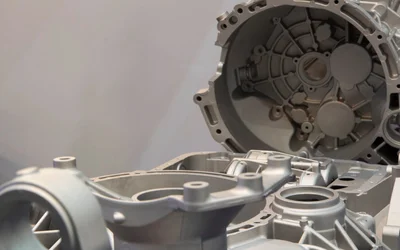
Unlock the potential of aluminum die casting in modern engineering applications through advanced techniques.
12 minutes read.
16 minutes read.
18 minutes read.
14 minutes read.
8 minutes read.


Entertainment
The Next Byte Podcast is hosted by two young engineers - Daniel and Farbod - who select the most interesting tech/engineering cont...
165 Posts

University for science and technology
Freedom and individual responsibility, entrepreneurial spirit and open-min...
43 Posts
Discover how iAM Marketplace simplifies industrial additive manufacturing by unifying materials, validation services, and multi-brand technologies into one open ecosystem for efficient AM sourcing.
This article discusses what attendees can expect from TCT Asia 2026, including its conference format, focus areas, and the experts contributing to industry-specific discussions.
This article discusses the exhibitors, products, and industrial trends defining additive manufacturing across the Asia-Pacific region at TCT Asia 2026.
This article discusses how the Asia-Pacific region is advancing additive manufacturing and the role of TCT Asia as the leading 3D printing and additive manufacturing event in the Asia-Pacific.
Lightweighting materials play a crucial role in offering the potential for improved fuel efficiency, enhanced performance, and reduced emissions in the automotive industry. It is anticipated that the lighter and more efficient automotive materials and components will revolutionize the industry in the coming years.
Create unique, complex geometries with overmoulds by leveraging PolyJet 3D printing

4 minutes read
Radio Frequency Identification (commonly known as RFID) is a technology that leverages wireless communication over radio waves to both transfer data and locate objects.

4 minutes read
At Protolabs, we have the privilege to support many innovative and industry-disrupting projects, which is why we are bringing back our Parts Calendar to share a handful of these innovations with you.
3 minutes read
A new study led by chemists at the University of Illinois Urbana-Champaign brings fresh insight into the development of semiconductor materials that can do things their traditional silicon counterparts cannot – harness the power of chirality, a non-superimposable mirror image.

2 minutes read
A new material developed at EPFL could change how we make cement forever — and cut 500 million tons of emissions by 2030.
3D Promakim’s Journey with Drywise and how they save €12,000 per year

3 minutes read
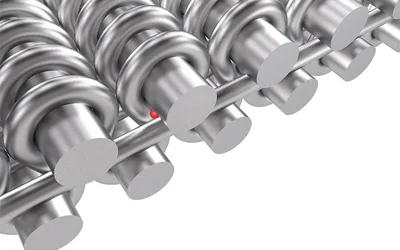
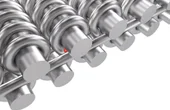
Operators of fine filtration systems need to move fluid efficiently from one side of the filter to the other while achieving the desired filtration amount. The article examines how a three-dimensional woven metal filter cloth optimises the flow conditions and avoids turbulences around the filter.

10 minutes read
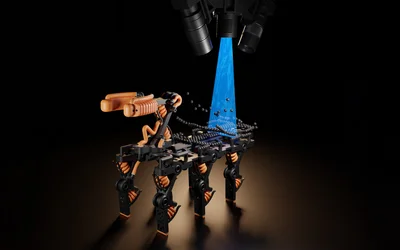
Computer vision enables contact-free 3D printing, letting engineers print with high-performance materials they couldn’t use before.
Ammonia, a main component of many fertilizers, could play a key role in a carbon-free fuel system as a convenient way to transport and store clean hydrogen. The chemical, made of hydrogen and nitrogen (NH3), can also itself be burned as a zero-carbon fuel.

6 minutes read
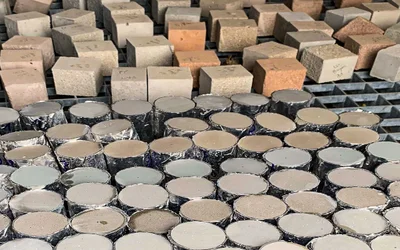
ETH researchers are developing a low-carbon cement with a significantly lower embodied CO2 content than traditional cement. The Ultra Green Concrete project aims to make low-carbon, high-performance concrete widely accessible.

4 minutes read
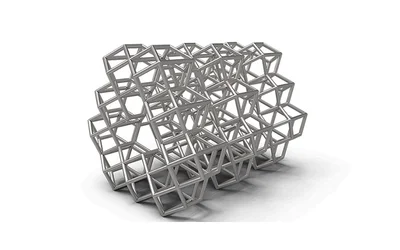
Learn how metal additive creates complex, durable, lightweight metal parts with this design tip.
9 minutes read
A research collaboration co-led by EPFL has uncovered a surprising magnetic property of an exotic material that might lead to computers that need less than one-millionth of the energy required to switch a single bit.

3 minutes read
Katharine Flores will collaborate on an NSF-funded project to build simulation-informed models that predict material properties in 3D printed metallic glasses

If you’ve used an extrusion-based 3D printing technology, chances are you’ll be familiar with polyethylene terephthalate glycol, aka PETG.
In plastic injection moulding, edgings and complete fabricated parts are made from metal wire mesh.
3 minutes read