Materials

The comprehensive guide to thermoplastic materials in engineering.


The role of renewable energy and hydrogen as an alternative energy source is of interest to many modern industries. Hydrogen is cleaner, more efficient and more sustainable than fossil fuels and has the potential to replace them.

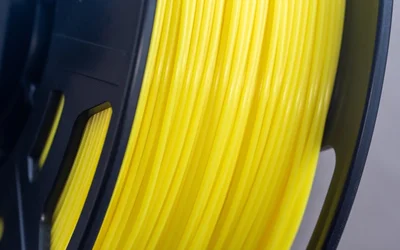
An in-depth look at how popular filaments PLA and ASA compare to each other in terms of printability, applications, and more.

Engineers Wiki. Most Asked Questions.
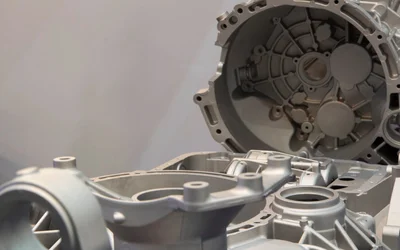
Unlock the potential of aluminum die casting in modern engineering applications through advanced techniques.
What Is PLA? Composition, Properties, and Uses of Polylactic Acid
12 minutes read.
PETG vs PLA: Key Differences, Strength, and How to Choose
16 minutes read.
What Is 3D Printer Filament? Types, Materials, and How to Choose
18 minutes read.
IPC-A-610: Acceptability of Electronic Assemblies
14 minutes read.
Best PETG Filament In 2026: High-Speed, Matte, Reinforced
8 minutes read.
ORGANIZATIONS. SHAPING THE INDUSTRY.


The Next Byte
Entertainment
The Next Byte Podcast is hosted by two young engineers - Daniel and Farbod - who select the most interesting tech/engineering cont...
165 Posts




ETH Zurich
University for science and technology
Freedom and individual responsibility, entrepreneurial spirit and open-min...
43 Posts
TAGGED WITH smart material printing
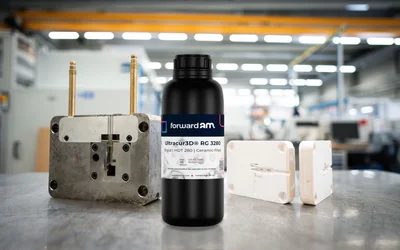
Discover how iAM Marketplace simplifies industrial additive manufacturing by unifying materials, validation services, and multi-brand technologies into one open ecosystem for efficient AM sourcing.

This article discusses what attendees can expect from TCT Asia 2026, including its conference format, focus areas, and the experts contributing to industry-specific discussions.


This article discusses the exhibitors, products, and industrial trends defining additive manufacturing across the Asia-Pacific region at TCT Asia 2026.

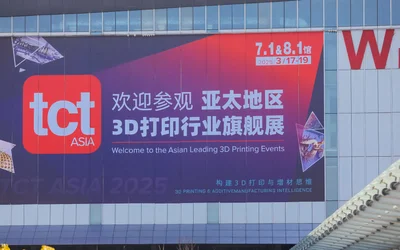
This article discusses how the Asia-Pacific region is advancing additive manufacturing and the role of TCT Asia as the leading 3D printing and additive manufacturing event in the Asia-Pacific.

TAGGED WITH lightweighting
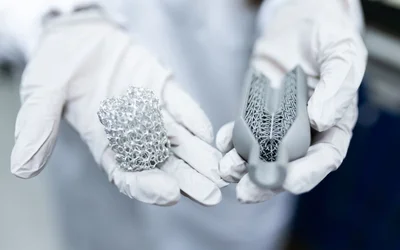
Lightweighting materials play a crucial role in offering the potential for improved fuel efficiency, enhanced performance, and reduced emissions in the automotive industry. It is anticipated that the lighter and more efficient automotive materials and components will revolutionize the industry in the coming years.
Latest Posts
The comprehensive guide to thermoplastic materials in engineering.
The role of renewable energy and hydrogen as an alternative energy source is of interest to many modern industries. Hydrogen is cleaner, more efficient and more sustainable than fossil fuels and has the potential to replace them.

3 minutes read
An in-depth look at how popular filaments PLA and ASA compare to each other in terms of printability, applications, and more.

ASA and PETG are two 3D printing filaments used widely for FFF/FDM 3D printing. Both have unique advantages and applications.

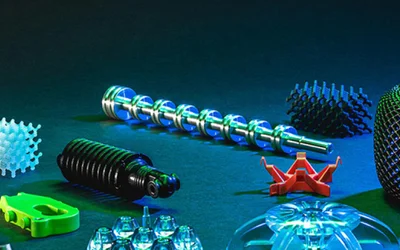
Discover if CNC machining, 3D printing or injection moulding is best for your plastic prototype.

6 minutes read


Understanding the implementation, advantages drawbacks, and crucial design considerations for optimal circuit board separation and efficiency


Columbia Engineers pair vibrating particles, called phonons, with particles of light, called photons, to enhance the nonlinear optical properties of hexagonal boron nitride. The finding could lead to new ways of using light to modify materials. Learn more.


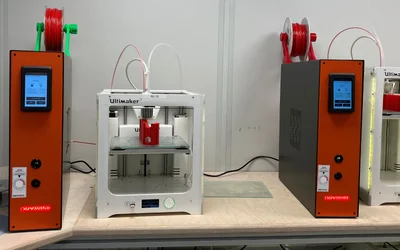
Applying Innovative Solutions to Improving Processes in Car Manufacturing – Ford Werke GMBH

3 minutes read

The technology could allow for smaller and faster electronic devices and may have applications for quantum computing.

4 minutes read


Researchers report that they have developed a new composite material designed to change behaviors depending on temperature in order to perform specific tasks. These materials are poised to be part of the next generation of autonomous robotics that will interact with the environment.

2 minutes read


Princeton researchers have created a new type of hydrogel that is recyclable, yet still tough and stable enough for practical use (and reuse).

3 minutes read


In this episode, we discuss an additive manufacturing breakthrough from MIT that enables inkjet printers to print soft materials that were deemed unsuitable before, print more accurately, and print ~660 times faster than comparable printer technologies!

11 minutes read
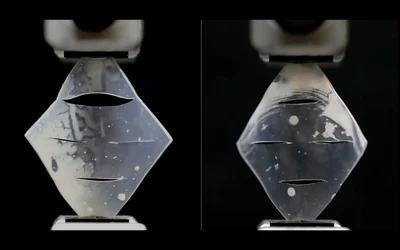
Multi-scale approach improves the fatigue threshold of particle-reinforced rubber

3 minutes read

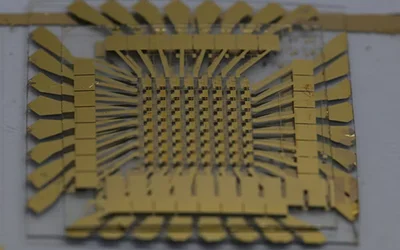
Sang-Hoon Bae and collaborators have demonstrated integrated processing hardware they say could revolutionize AI computing

2 minutes read

This article offers an in-depth view of PVD coating in semiconductors, their underlying technology, materials, and applications crucial in today's rapidly evolving technological landscape.