Featured

Because multi-die systems have so many interdependencies, every chip design choice should be made from a system-wide perspective to address the impacts that could permeate through the system.
Because multi-die systems have so many interdependencies, every chip design choice should be made from a system-wide perspective to address the impacts that could permeate through the system.
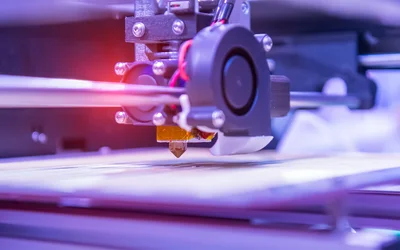
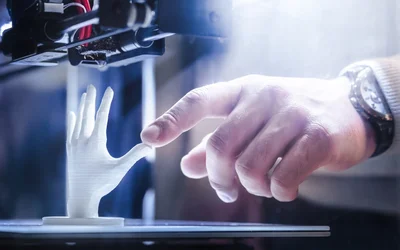
3D printing has made huge advances in the last 40 years. Officially known as additive manufacturing (AM), this technology starts out with a digital 3D model – hence its more common name.
Jared Sandam the esteemed President of Fancort Industries invites viewers to embark on an extraordinary journey into the revolutionary realm of AutoBlocks.
What is 3D printing? This article goes over the basics of 3D printing, otherwise known as additive manufacturing, covering its engineering principles and applications.
14 minutes read.
17 minutes read.
11 minutes read.
18 minutes read.
13 minutes read.
10 minutes read.


Entertainment
The Next Byte Podcast is hosted by two young engineers - Daniel and Farbod - who select the most interesting tech/engineering cont...
165 Posts
Lean manufacturing focuses on creating more value with less waste. Pioneered by Toyota in the 1950s, this approach helps businesses streamline processes, improve efficiency, and eliminate activities that don't add value to the final product.
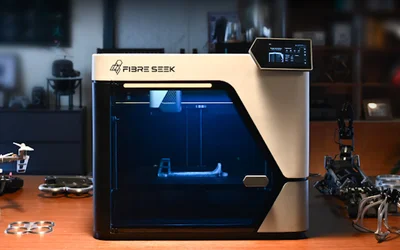
Following a successful crowdfunding campaign, the FibreSeeker 3 from FibreSeek is bringing continuous carbon fiber printing to a new audience.
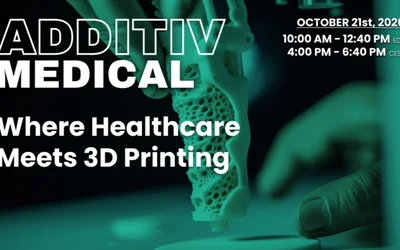
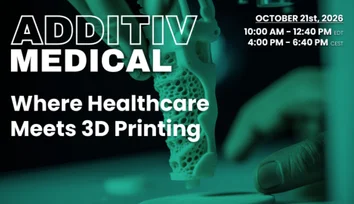
ADDITIV Medical 2026 will bring together more than 500 medical professionals
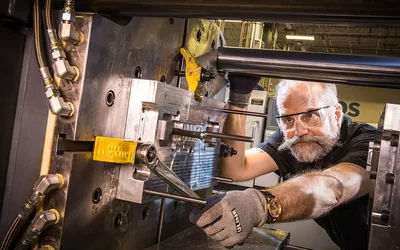
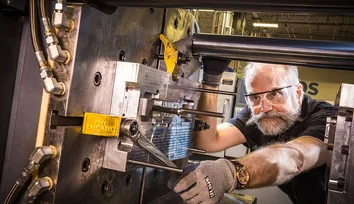
Choosing between 3D printing and injection molding is one of the key decisions in product development—especially in case of prototyping.
The data problem
From leading experts at the CDFAM Computational Design Symposium
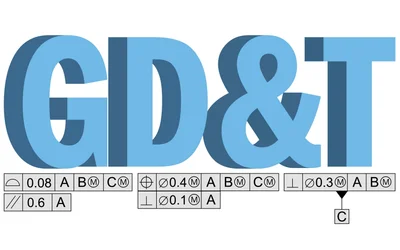
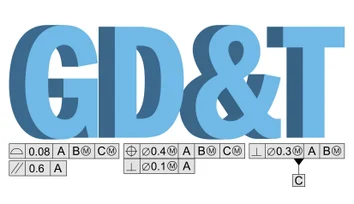
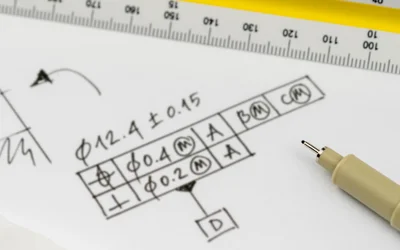
GD&T is the symbolic language engineers use to state exactly how much a part can vary and still work. This guide covers the basics.
This guide covers the true position formula, how to read the feature control frame, and how MMC and LMC generate bonus tolerance.
Because multi-die systems have so many interdependencies, every chip design choice should be made from a system-wide perspective to address the impacts that could permeate through the system.

6 minutes read
3D printing has made huge advances in the last 40 years. Officially known as additive manufacturing (AM), this technology starts out with a digital 3D model – hence its more common name.
Jared Sandam the esteemed President of Fancort Industries invites viewers to embark on an extraordinary journey into the revolutionary realm of AutoBlocks.

Digital platforms have profoundly transformed the design process for cobot motor drives, enabling engineers to streamline workflows, enhance precision, and rapidly adapt to the evolving demands of the industrial landscape.
In this episode, we interview Edward Mehr, CEO of Machina Labs, the ambitious startup that's transforming the manufacturing scene one robot at a time.

Revolutionizing Engineering Quality Control: The Transformative Power of Edge AI
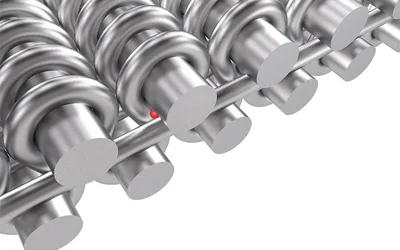
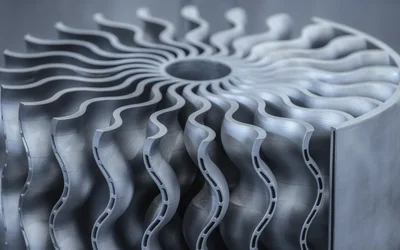
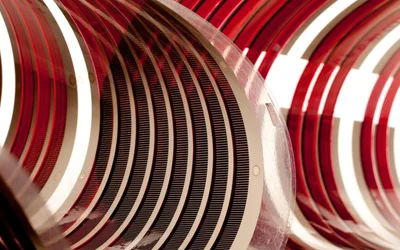
Operators of fine filtration systems need to move fluid efficiently from one side of the filter to the other while achieving the desired filtration amount. The article examines how a three-dimensional woven metal filter cloth optimises the flow conditions and avoids turbulences around the filter.

10 minutes read
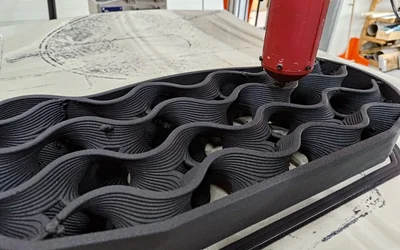
In the second article of our FGF series we look at the various manufacturing techniques of FGF printing

5 minutes read
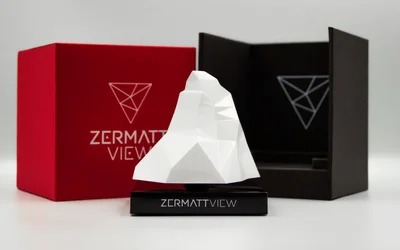
This is ZERMATTVIEW, a work of art of pure design, accentuated by a mirror polished finish.

3 minutes read
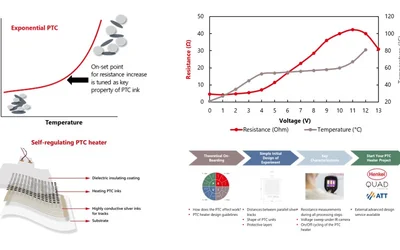
Heaters are one of the most successful applications of printed electronics. At first they seem deceptively simple, yet their successful realization is in fact an art relying on the interplay of all the elements from the right material selection to right design, right printing, etc. Learn how here.

6 minutes read
Sintratec, a Swiss startup specializing in Selective Laser Sintering (SLS) 3D printers, is in the process of testing their new machine, the Sintratec S2.
The Precision Fair 2023 served as a platform for professionals to share knowledge, explore new ideas, and witness the latest technological advancements, underlining the sector's vital role in various industries and scientific research.
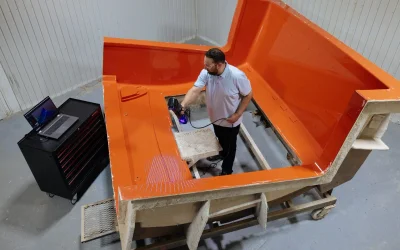
You work in aerospace, transportation, energy, mining, or heavy industries. You manufacture large parts and assemblies, some with black or shiny surfaces. You want to measure these large parts with high accuracy and fine detail without having to move them from their production environment.

5 minutes read
Organic Photovoltaics (OPV are a 3rd Gen PV technology with unique attribute. The key to their success is in Roll-to-Roll (R2R) processing. Here you will learn about the advantages and challenges of R2R manufacturing in OPVs and printed electronics
2 minutes read
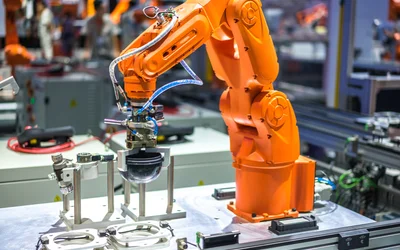
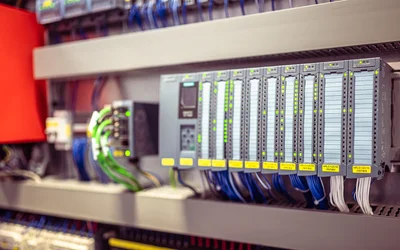
New automation mechanisms such as programmable logic controllers (PLCs) in the 1970s made it possible to complete factory tasks in less time and with more precision.