Hydropower plants around the world have been equipped with components from Voith Hydro for over 140 years. As a full-service provider of hydroelectric power plant equipment, Voith is one of the world’s leading manufacturers.
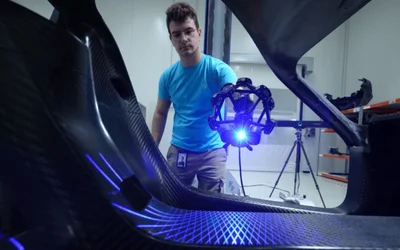
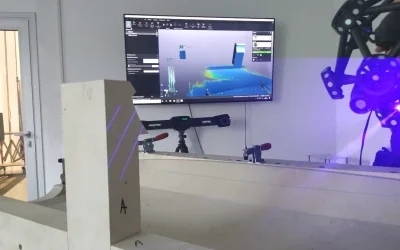
Many manufacturers in the aerospace, transportation and power generation industry, such as Austrian manufacturer ANDRITZ, require carrying out quality control inspections on large parts that can measure anywhere from 2 to 10 metres—and even bigger.
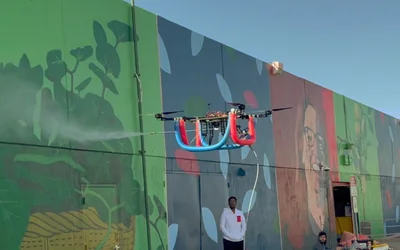
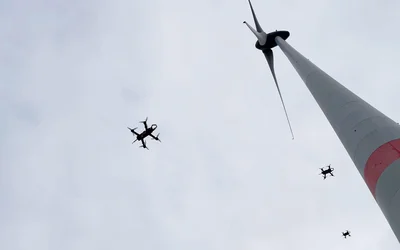
Engineers at EPFL have developed a predictive control model that allows swarms of drones to fly in cluttered environments quickly and safely. It works by enabling individual drones to predict their own behavior and that of their neighbors in the swarm.
Three phase circuits deliver balanced power for industrial and high demand applications, but mismatched wires can cause equipment damage or safety hazards. These 3 phase wire color code schemes ensure correct installation, proper phase rotation, and compliance with electrical codes.
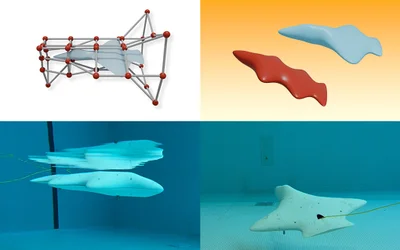
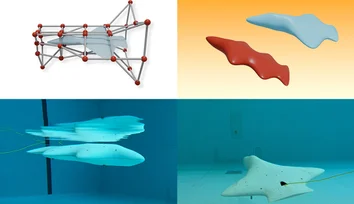
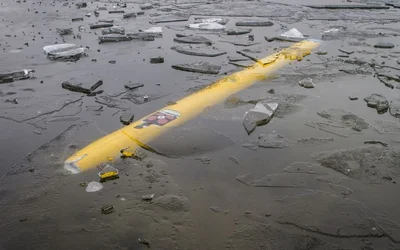
An AI pipeline developed by CSAIL researchers enables unique hydrodynamic designs for bodyboard-sized vehicles that glide underwater and could help scientists gather marine data.
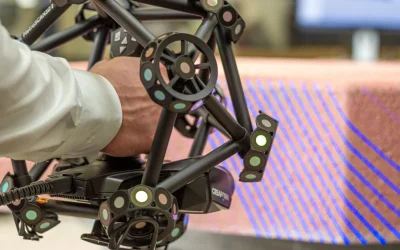
With SCANOLOGY's KSCAN-X 3D scanner, wind turbine manufacturers can redesign blade core materials faster and more accurately than ever—cutting revision time from days to just 30 minutes.
Smarter technology, stronger performance.
Advanced 3D scanning delivers comprehensive, high-accuracy inspection for massive grinding roller shells. It replaces manual measurement with fast, traceable digital analysis, enabling smarter maintenance and reduced operational costs.
SCANOLOGY's 3D scanning empowers wind turbine blade manufacturers to precisely control core dimensions, eliminate rework, and achieve seamless assembly—turning a long-standing "core challenge" into data-driven manufacturing excellence.
Hydropower plants around the world have been equipped with components from Voith Hydro for over 140 years. As a full-service provider of hydroelectric power plant equipment, Voith is one of the world’s leading manufacturers.
Many manufacturers in the aerospace, transportation and power generation industry, such as Austrian manufacturer ANDRITZ, require carrying out quality control inspections on large parts that can measure anywhere from 2 to 10 metres—and even bigger.
Engineers at EPFL have developed a predictive control model that allows swarms of drones to fly in cluttered environments quickly and safely. It works by enabling individual drones to predict their own behavior and that of their neighbors in the swarm.
In this episode, we talk about Charm Industrial’s novel approach for carbon offsetting, a concept fitness drone from Hongik University that could be the first to commercialize, and a joint effort between MIT and US Navy to understand how sound waves are altered by water conditions in the North Pole.
In this episode, we talk about Ford and HP’s partnership to enable a more sustainable manufacturing process, NASA’s Ingenuity drone, and a joint effort to prevent fall-related deaths by creating snake inspired no slip shoes.
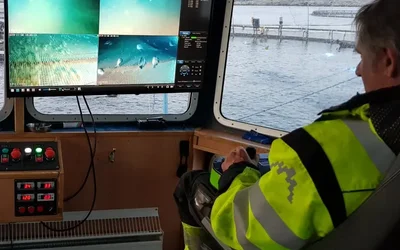
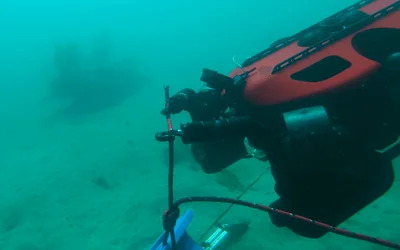
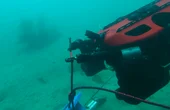
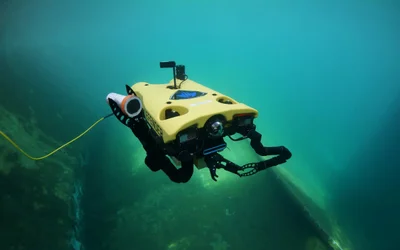
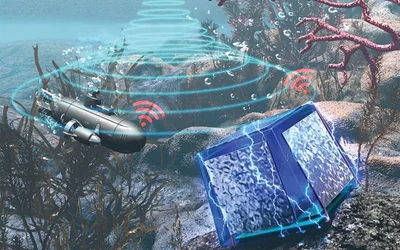
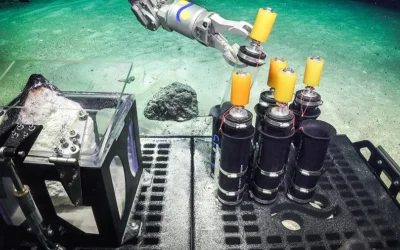
In the new DeeperSense project, an international consortium led by the German Research Center for Artificial Intelligence (DFKI) is working on technologies that combine the strengths of visual and acoustic sensors with the help of artificial intelligence.
Art, culture and the craft of metal – Bryan Fuller´s automotive and motorcycle design and customization shop “Fuller Moto” inspires, educates and entertains those with a creative spirit and a do-it-yourself attitude and combines all these aspects together by creating “rolling works of art”.
The laboratory for additive manufacturing (LaF) at Landshut University, deals with the process of reverse engineering headed by Prof. Dr.-Ing. Norbert Babel.
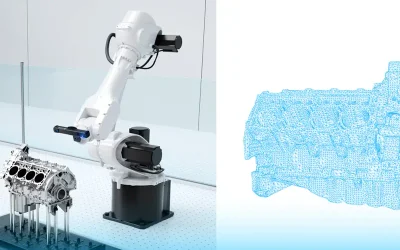
3D measurement is a metrology process that uses different types of 3D measurement tools, such as 3D scanners, to collect 3D data from physical objects, such as their shapes, textures, geometries and colours.
Aerospace and government defense program users have unique needs when it comes to FPGA (field-programmable gate array) devices, both in terms of security and in terms of long-term deployments. Increasing use of unmanned systems and other autonomous assets has created new security challenges.