Featured
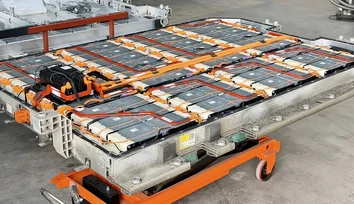
Engineering principles, BTMS architectures, and design tradeoffs.
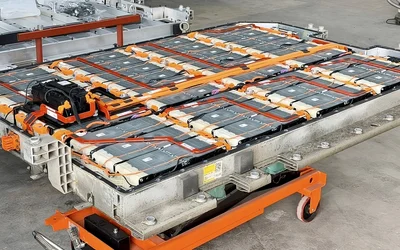
Engineering principles, BTMS architectures, and design tradeoffs.
Engineering principles, BTMS architectures, and design tradeoffs.
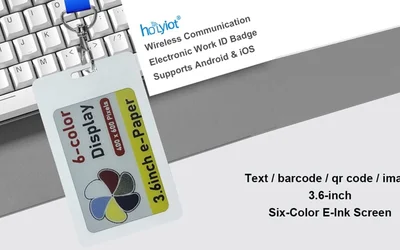
Holyiot's Inkcard-A1 integrates powerful nRF54L15 SoC enabling time critical access control and identity verification
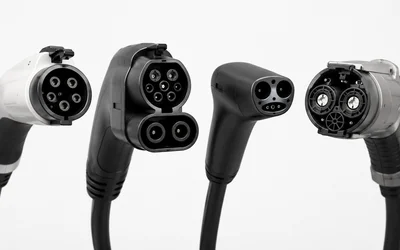
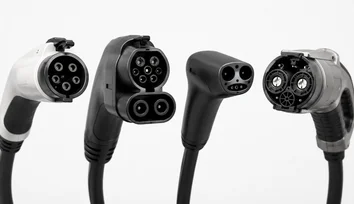
This article explains EV charging connector types, including AC, CCS, Tesla, CHAdeMO, GB/T, and NACS, with regional compatibility.
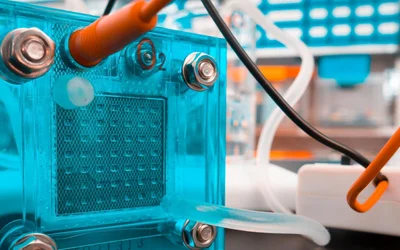
A PEM fuel cell converts hydrogen and oxygen into electricity at around 80 degrees C, with water and heat as the only products. This guide covers electrochemistry, layer materials, efficiency limits, and cost and durability to help you understand the practical applications of this technology.
14 minutes read.
14 minutes read.
12 minutes read.
13 minutes read.
15 minutes read.
14 minutes read.

Electronics
Mouser Electronics is a worldwide leading authorized distributor of semiconductors and electronic components.
219 Posts

Electrical and Electronic Manufacturing
Drop-in power cords that improve battery performance.
18 Posts
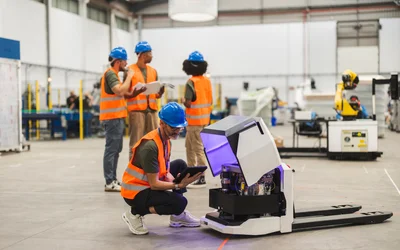
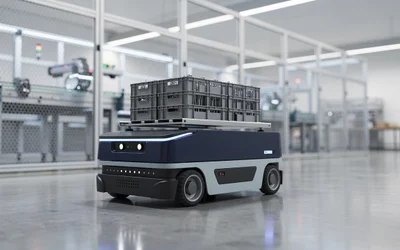
Engineering motion systems for availability, serviceability, and lifecycle cost.
Why Reliable Motion Systems Matter in Modern Warehouse Automation
As robotics shifts from innovation showcases to real-world deployment, motion systems play a vital role in this next stage of robotics.
Specialized design and manufacturing of robotic systems for chemical, nuclear, and high-risk industrial applications.
The connectivity foundation for advanced driver assistance systems, software-defined vehicles, zonal architectures and electrified powertrains.
Engineering principles, BTMS architectures, and design tradeoffs.
This article explains EV charging connector types, including AC, CCS, Tesla, CHAdeMO, GB/T, and NACS, with regional compatibility.
This article details EV charging levels, covering AC charging, DC fast charging, power delivery, infrastructure needs, and key trade-offs.
Engineering principles, BTMS architectures, and design tradeoffs.
Holyiot's Inkcard-A1 integrates powerful nRF54L15 SoC enabling time critical access control and identity verification

This article explains EV charging connector types, including AC, CCS, Tesla, CHAdeMO, GB/T, and NACS, with regional compatibility.
This article details EV charging levels, covering AC charging, DC fast charging, power delivery, infrastructure needs, and key trade-offs.
Learn how advanced thermal management solutions, including heat sinks, fans, and liquid cooling, are enabling faster, safer, and more efficient EV charging systems.
Explore the rise of intelligent EV hardware and how real-time processing, ML acceleration, and hardware virtualization are enabling safer, smarter, software-defined electric vehicles.
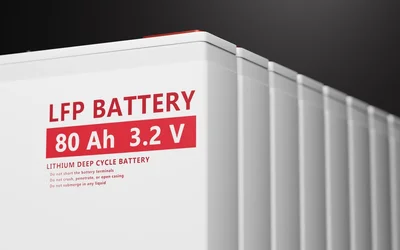
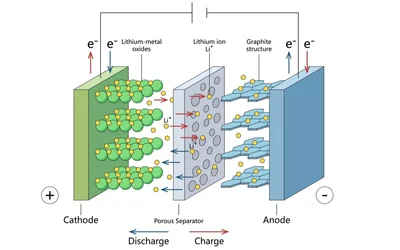
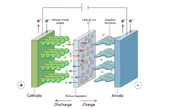
This article explains what is LiFePO4, how lithium iron phosphate batteries work, their safety benefits, cycle life, BMS requirements, applications, and key differences from lead-acid and other lithium-ion chemistries.
This article explains how to charge a Lithium-Ion battery safely and efficiently by covering charge profiles, voltage thresholds, current ratings, temperature derating, fast-charging limits, storage practices, and common design mistakes.
EBV Elektronik's leaders share how emerging technologies will shape the future All-Electric Society and outline the supply-chain strength and engineering support innovators will rely on to turn long-term electrification ambitions into scalable, production-ready solutions.
Nexperia links device-level advantages to application requirements, helping designers choose the best Wide bandgap (WBG) solution for their design.
The rapid growth of the electric vehicle (EV) industry has increased the demand for lightweight, durable, and precisely manufactured components.

3 minutes read
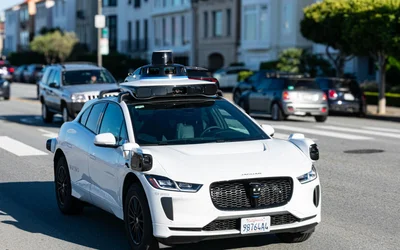
Driven by AI, the advent of autonomous mobility has accelerated in recent years. It has advantages that go beyond the asphalt.

4 minutes read
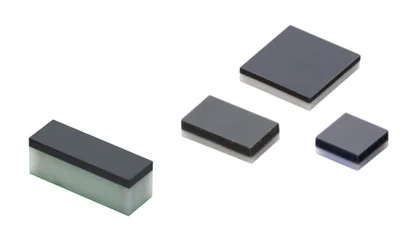
Miniature RFID tags by Murata enable seamless system integration with durable, reprogrammable identification — delivering reliable tracking, authentication & traceability beyond the limits of traditional barcodes.
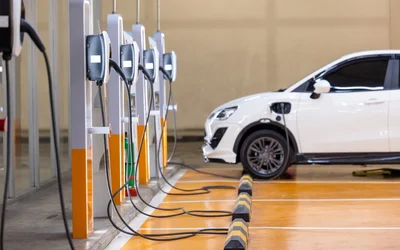
M2M SIMs deliver secure multi-network mobile connectivity for EV charging stations worldwide, ensuring reliable payments, monitoring, and uptime even in remote locations.