What Is LiFePO4? Engineering Guide to Lithium Iron Phosphate Batteries
This article explains what is LiFePO4, how lithium iron phosphate batteries work, their safety benefits, cycle life, BMS requirements, applications, and key differences from lead-acid and other lithium-ion chemistries.

08 Jun, 2026. 15 minutes read
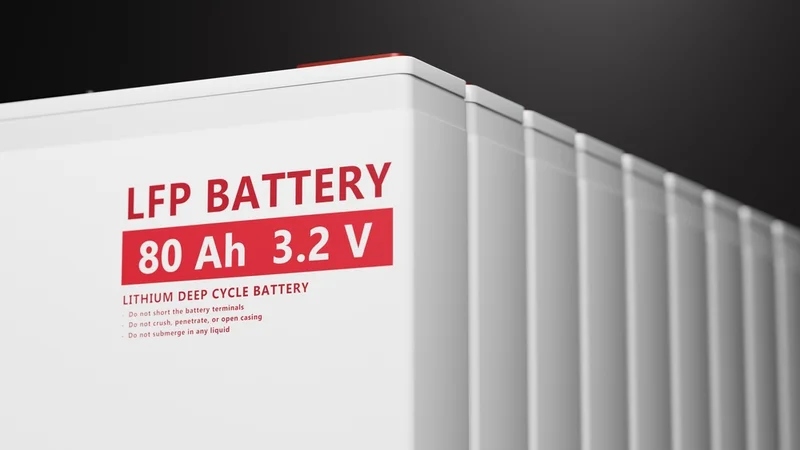
LFP (Lithium Iron Phosphate) Battery Cells
Key Takeaways
Nominal Voltage: LiFePO4 cells operate at a nominal 3.2 V with a maximum charge voltage of 3.65 V (CC/CV charging) and a minimum discharge voltage of 2.5 V.
Long Cycle Life: Premium LiFePO4 cells deliver 3,000 to 6,000 cycles at 80% depth of discharge and up to 10,000+ cycles at lower DoD, far exceeding NMC or lead-acid lifespans.
Energy Density: Gravimetric energy density ranges from 90 to 160 Wh/kg and volumetric density from 300 to 350 Wh/L. Lower than NMC/NCA but sufficient for stationary storage and many EV applications.
Thermal Stability: Differential scanning calorimetry shows that LiFePO4 decomposes at 270 to 310 °C, substantially higher than NMC, which decomposes at 150 to 200 °C. The olivine structure prevents oxygen release, thereby drastically reducing the risk of thermal runaway.
Safety Standards: LiFePO4 batteries comply with IEC 62133-2, UL 1973, and UN 38.3, which cover tests for overcharge, short-circuit, vibration, shock, and thermal events.
Applications: The longevity, safety, and deep-discharge tolerance make LiFePO4 ideal for solar and off-grid energy systems, marine house batteries, backup power UPS, home energy storage, and modern electric vehicles.
Introduction
LiFePO4 batteries, formally lithium iron phosphate batteries, use a lithium-ion cathode material with an olivine crystal structure. John B. Goodenough, with his group at the University of Texas, introduced LiFePO4 in 1996 as a high-voltage cathode with the formula LiFePO4 (LFP). In this structure, Fe2+ ions occupy octahedral sites, and Phosphate (PO4) Tetrahedra form a strong three-dimensional framework. The strong P-O bonds are more stable than the metal-oxygen bonds in nickel/cobalt oxides, and iron replaces expensive and toxic metals such as cobalt.
But what is LiFePO4 in engineering terms? It is a safer, longer-life alternative to cobalt- and nickel-based lithium-ion chemistries, offering excellent cycle life, stable discharge voltage, and high resistance to thermal runaway. Curious about what is LiFePO4 commonly used for? These batteries are widely used in electric vehicles, solar energy storage, UPS systems, marine power, RVs, and industrial backup systems.
This article explains what is LiFePO4, how lithium iron phosphate batteries work, their safety benefits, cycle life, BMS requirements, applications, and key differences from lead-acid and other lithium-ion chemistries.
What Is LiFePO4 Chemistry?
Lithium iron phosphate (LiFePO4) is the Lithium Salt of Iron (II) Phosphate. It adopts an orthorhombic olivine structure (space group Pnma), where edge-sharing FeO6 octahedra and PO4 tetrahedra create channels for lithium-ion diffusion. Compared with layered transition-metal oxides such as Lithium Cobalt Oxide (LCO) or Lithium Nickel Manganese Cobalt (NMC), the olivine structure stores lithium in one-dimensional channels rather than inter-layer sites.
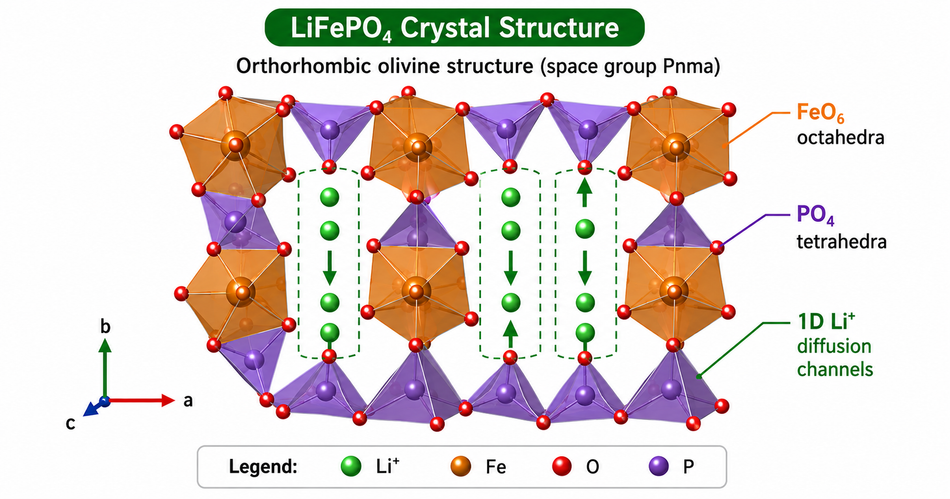
The strong P-O covalent bonds and the absence of oxygen release make LiFePO4 chemically and thermally stable. Because iron is abundant, non-toxic, and inexpensive, LiFePO4 avoids the geopolitical risks and ethical concerns associated with cobalt mining. The olivine cathode operates at approximately 3.45 V vs. lithium metal during most of the charge/discharge cycle, resulting in a nominal cell voltage of 3.2 V [1]. While the theoretical capacity of LiFePO4 (170 mAh/g) is lower than NMC or NCA, the stability and safety advantages outweigh its lower energy density in many use cases.
Advantages of the Olivine Crystal Structure
Thermal and Chemical Stability: Strong P-O bonds reduce the likelihood of oxygen release during overcharge or thermal abuse. Differential scanning calorimetry shows LiFePO4 decomposes at 270 to 310 °C, whereas NMC decomposes at 150 to 200 °C. This high decomposition temperature delays the onset of exothermic reactions and significantly reduces the risk of thermal runaway.
Flat Voltage Plateau: The single-phase redox reaction Fe2+/Fe3+ yields a flat discharge curve near 3.2 V. This simplifies state-of-charge estimation and enables pack designs with high usable capacity.
Environmentally Benign: Iron and phosphate are abundant and non-toxic, and LiFePO4 batteries use no nickel or cobalt. Disposal and recycling pose fewer environmental hazards compared with NMC or NCA chemistries.
Inherent Safety: The lattice does not release oxygen even when decomposed, preventing self-sustaining combustion [2]. Combined with stable electrochemistry, this makes LiFePO4 batteries far safer for residential, marine, and vehicle applications.
Recommended Reading: NiMH vs Lithium Ion Batteries: A Comprehensive Comparison for Engineers
LiFePO4 Cell Specifications
LiFePO4 cells generally share similar voltage, charging, discharging, and temperature characteristics, although exact values vary by manufacturer, cell format, capacity, and application.
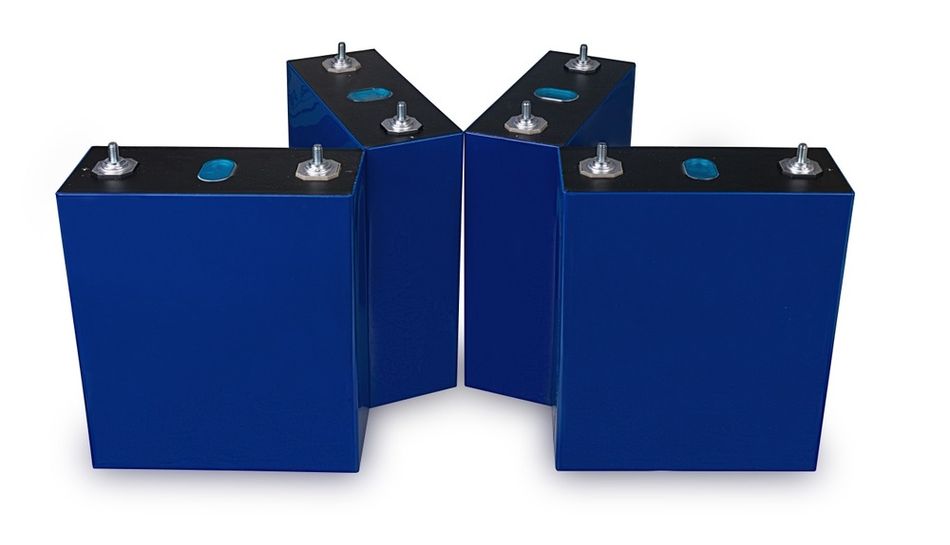
The following parameters summarize typical specifications for large-format prismatic LFP batteries and high-power cylindrical cells.
| Parameter | Typical Value (LFP Cell) |
| Nominal Voltage | 3.2 V |
| Maximum Charge Voltage | 3.65 V (CC/CV charging) |
| Minimum Discharge Voltage | 2.5 V (cells may allow 2.0 V at low temperatures) |
| Charge Current (Recommended) | 0.5 C typical, maximum continuous 1 C |
| Operating Temperature | Charging: 0 to 55 °C (-20 °C + heating); Discharging: -20 to 55 °C |
| Energy Density (Gravimetric) | 90 to 160 Wh/kg |
| Energy Density (Volumetric) | 300 to 350 Wh/L |
| Self-Discharge | <3% per month at 25 °C |
LiFePO4 batteries exhibit a flat discharge curve around 3.2 V, which means the usable capacity remains consistent over most of the discharge cycle. The maximum continuous discharge current varies with cell design. The large prismatic cells are commonly optimized for energy storage systems, durability, and long cycle life, while cylindrical LFP batteries may be designed for higher power output. Some high-power cells can support significantly higher continuous and pulsed discharge currents. This makes them suitable for power tools, robotics, motorsport, and other high-current applications.
Recommended Reading: Critical Design Considerations in Estimating the State of Lithium-ion Batteries
Cycle Life and Longevity
One of the defining characteristics of LiFePO4 batteries is their long cycle life. The cycle life refers to the number of charge/discharge cycles a battery can deliver before its capacity falls to a specified percentage (typically 80%) of its original capacity.
| Depth of Discharge (DoD) | Typical Cycle Life to 80% Capacity |
| 100% DoD | 2,000 to 4,000 cycles |
| 80% DoD | 3,000 to 6,000 cycles |
| 50% DoD | 7,000 to 10,000+ cycles |
| 30% DoD | 10,000 to 15,000 cycles |
The cycle life depends on depth of discharge, charge current, discharge current, temperature range, cell quality, and battery management system design. In general, reducing depth of discharge extends service life because the cell experiences less electrochemical stress during each cycle. Operating at moderate temperatures and avoiding overcharging, overheating, and deep discharge also improves long-term durability.
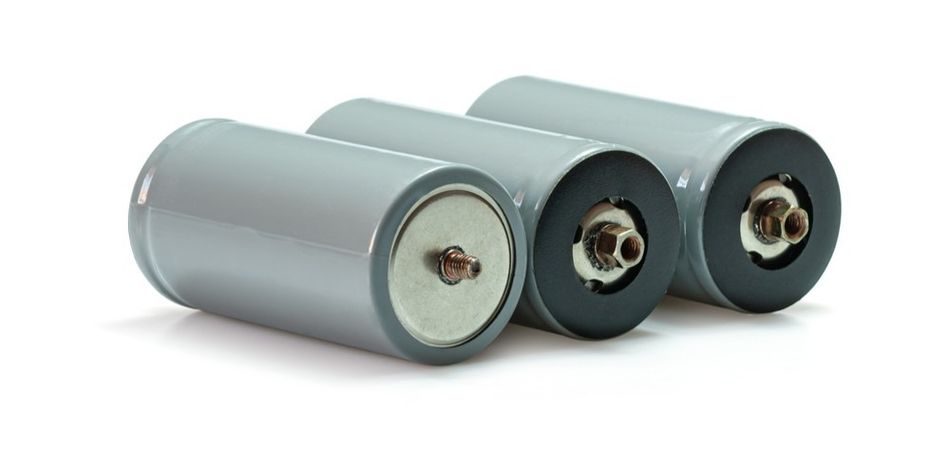
Large-format LiFePO4 cells are often rated for several thousand charge cycles under controlled test conditions. Some cells are specified for 4,000 to 6,000 cycles at moderate charge/discharge rates, while operating at lower depth of discharge can extend usable life even further. Compared with many nickel-based lithium-ion battery chemistries, such as NMC and NCA, LFP batteries typically offer longer cycle life but often have lower energy density.
Thermal Stability and Safety
Safety is often the primary driver for choosing LiFePO4 batteries. The thermal runaway threshold of this chemistry is significantly higher than that of other lithium-ion chemistries. Differential scanning calorimetry indicates that LiFePO4 begins to decompose at 270-310 °C and does not release oxygen during decomposition [2].
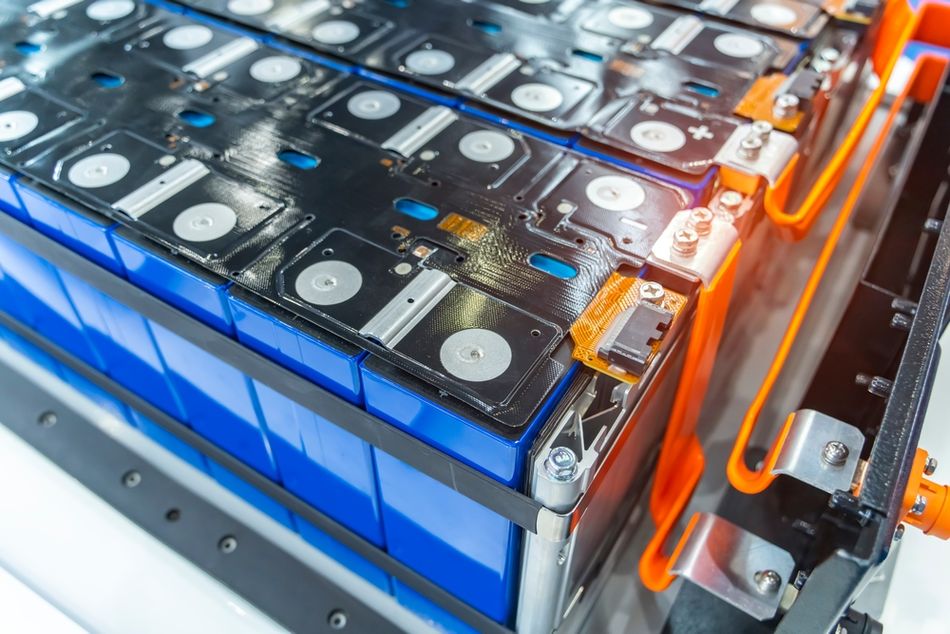
In comparison, NMC cathodes (111/622/811) decompose between 150 and 200 °C, releasing oxygen that can feed combustion [2]. For this reason, LiFePO4 batteries have a lower risk of thermal runaway under abusive conditions such as overcharging, short-circuiting, or puncturing.
Safety Standards
LiFePO4 cells and battery packs are tested and certified under international safety standards:
IEC 62133-2: Outlines safety requirements for lithium cells and batteries used in portable applications. It covers tests for electrical, mechanical, and environmental safety, including overcharge, overdischarge, short circuit, vibration, and temperature cycling. The second edition (IEC 62133-2) separates nickel and lithium chemistries and adds tests such as single-fault conditions and vibration/shock assessment.
UL 1973: Covers safety of stationary batteries and energy storage systems. The test categories include electrical (voltage withstand, over-charge/discharge), electromagnetic immunity (electrostatic discharge, RF fields), mechanical and environmental (structural integrity, impact, moisture), and cell-level fault tests to prevent propagation of thermal runaway.
UN 38.3: For transportation, UN 38.3 requires cells and batteries to pass eight tests: altitude simulation, thermal cycling, vibration, shock, external short-circuit, impact/crush, over-charge, and forced discharge. Recent revisions allow integrated battery testing and require test summaries to accompany shipments.
Manufacturers such as Battle Born state that their LiFePO4 batteries meet UL 2054, UL 62133-2, and UN 38.3 certifications [3]. Compliance with these standards ensures safe operation, transport, and installation.
Comparison to Other Li-ion Chemistries
LiFePO4 batteries are one member of the lithium-ion family. To determine whether they are suitable for a given application, engineers should compare them with other chemistries such as NMC, NCA, LCO, and LTO.
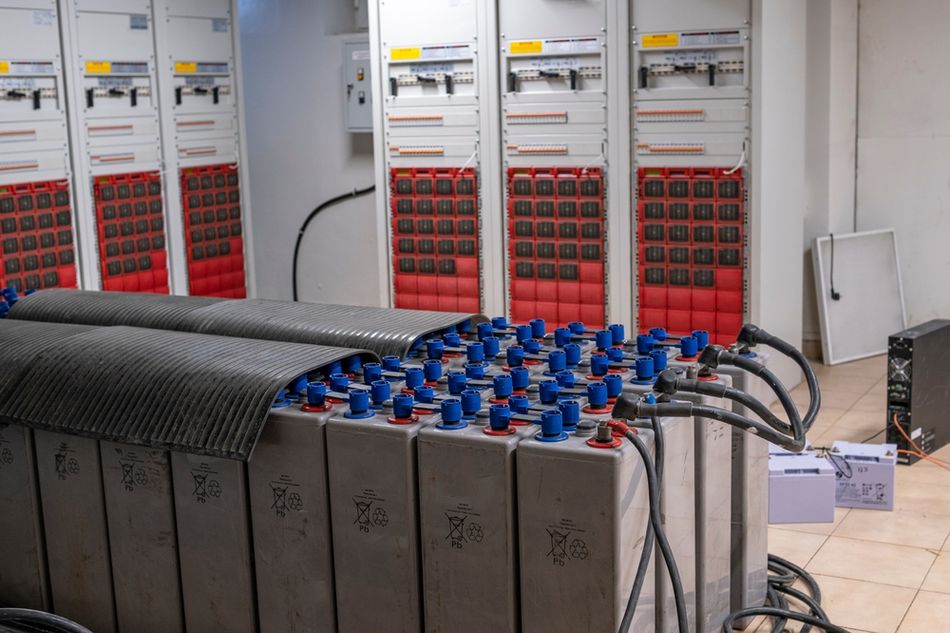
LiFePO4, or LFP, has a nominal voltage of about 3.2 V and an energy density of roughly 90 to 160 Wh/kg. While this is lower than nickel-based chemistries, LiFePO4 batteries offer excellent thermal stability, high chemical stability, long cycle life, and strong resistance to thermal runaway. They typically deliver 3,000 to 6,000+ cycles at moderate depth of discharge, making them suitable for energy storage systems, backup power, solar systems, electric buses, marine batteries, and other deep cycle applications. Their main limitations are lower energy density, lower cell voltage, the need for more cells in high-voltage battery packs, and reduced charging performance at low temperatures.
NMC, or Lithium Nickel Manganese Cobalt Oxide, has a nominal voltage of around 3.6 to 3.7 V and a higher energy density of approximately 150 to 250 Wh/kg. This makes NMC batteries popular in electric vehicles, laptops, power tools, and portable electronics where high energy density and good power output are important. However, NMC cells generally have a shorter cycle life than LFP batteries, often around 1,000 to 3,000 cycles, and they rely on nickel, manganese, and cobalt, which increase cost, supply-chain complexity, and thermal management requirements.
NCA, or Lithium Nickel Cobalt Aluminum Oxide, provides even higher energy density, typically around 200 to 260 Wh/kg, with a nominal voltage of 3.6 to 3.7 V. This chemistry is often used in premium electric vehicles because it supports long driving range and high power. However, NCA batteries have a shorter service life than LiFePO4 batteries, higher material cost, and greater sensitivity to overheating or abuse conditions. Their safety profile requires advanced battery management system design and careful thermal control.
LCO, or Lithium Cobalt Oxide, is widely used in consumer electronics because it offers high energy density in compact cells. Its nominal voltage is usually 3.6 to 3.7 V, with an energy density of about 150 to 200 Wh/kg. However, LCO batteries have a relatively short cycle life, typically around 500 to 1,000 cycles, and rely heavily on cobalt as the primary cathode material. This makes them less attractive for large battery packs, electric vehicles, and stationary power systems where long lifespan, safety, and cost per cycle are critical.
LTO, or Lithium Titanate, is different because it uses lithium titanate as the anode material rather than graphite. It has a lower nominal voltage of about 2.4 V and a lower energy density of around 50 to 80 Wh/kg. However, LTO batteries can exceed 10,000 to 20,000 cycles and support fast charging, high power output, and excellent low-temperature operation. Their main drawbacks are high upfront cost and low energy density, which limit their use to specialized applications such as buses, grid storage, industrial equipment, and extreme-temperature power systems.
Overall, LiFePO4 batteries provide a strong balance of safety, durability, long cycle life, and low cost per cycle. They sacrifice some energy density compared with NMC, NCA, and LCO, but they offer longer lifespan, better thermal stability, and improved safety. For applications where range and compact size are the highest priorities, nickel-based battery technology may be preferred. For applications where durability, safety, renewable energy storage, and long-term service life matter most, lithium iron phosphate batteries are often the better engineering choice.
Recommended Reading: Solid-State vs. Li-ion: Which Battery Tech is better for Electric Vehicles?
LiFePO4 Versus Lead-Acid Batteries
Lead-acid batteries, including absorbent glass mat (AGM) variants, have been used for decades in automotive and backup power applications.
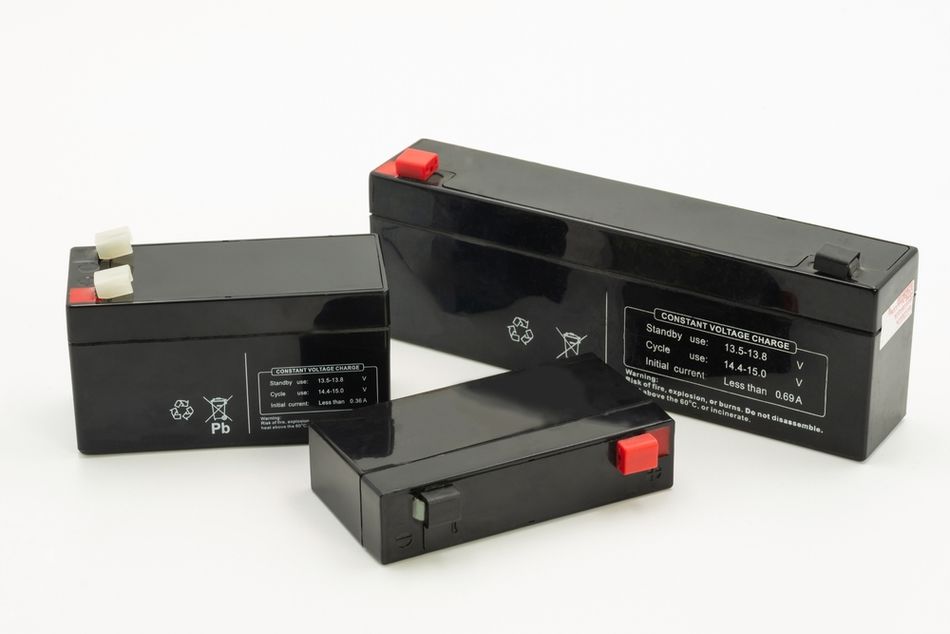
LiFePO4 batteries outperform lead-acid batteries in nearly every metric:
The typical 12.8 V LiFePO4 battery module can use a much higher percentage of its rated battery capacity. While 80 to 90% depth of discharge is commonly recommended for long service life, LiFePO4 batteries can tolerate deeper discharge cycles with less degradation. In contrast, lead-acid batteries are usually limited to about 50% depth of discharge to avoid sulfation and premature capacity loss. This means a LiFePO4 battery pack can deliver more usable energy from the same rated capacity.
Cycle Life is another major advantage. LiFePO4 batteries commonly provide 3,000 to 6,000 charge cycles at moderate depth of discharge, while AGM lead-acid batteries often deliver only 500 to 1,500 cycles. This gives LFP batteries a much longer lifespan and lower replacement frequency, especially in deep cycle applications such as solar energy storage, RV power, marine systems, and backup power systems.
Efficiency is also higher in LiFePO4 technology. LFP batteries typically achieve more than 95% charge/discharge efficiency, while lead-acid batteries operate at 70 - 85%. Higher efficiency means faster charging, reduced heat generation, and less energy wasted from solar panels, chargers, or renewable energy systems.
Weight and Energy Density further separate the two battery chemistries. A 100 Ah LiFePO4 module may weigh around 11 to 13 kg, while a comparable AGM lead-acid battery can weigh 28 to 32 kg. LiFePO4 batteries also offer higher energy density, typically 90 to 160 Wh/kg, compared with roughly 30 to 50 Wh/kg for lead-acid batteries. This makes LFP batteries more suitable for portable power stations, electric vehicles, marine systems, and mobile power applications where weight reduction is important.
Maintenance Requirements are also lower. LiFePO4 batteries are sealed, rechargeable, and typically managed by an integrated battery management system (BMS) that protects against overcharging, overheating, over-discharging, and excessive current. Lead-acid batteries may require periodic inspection, equalization charging, ventilation, and water refilling in flooded designs. Even sealed AGM batteries are more sensitive to charging errors and prolonged deep discharge.
LiFePO4 batteries are therefore a superior replacement for lead-acid batteries in backup power, RV, and marine applications. They offer higher usable capacity, dramatically longer cycle life, faster charging, and reduced weight. Lead-acid batteries are still used in low-cost starting applications or where the weight penalty is tolerable, but the cost per cycle of LiFePO4 is typically lower over the service life.
Recommended Reading: Solid-State Battery: New Material Class with Excellent Ion Conductivity
BMS Requirements for LiFePO4 Batteries
The Battery Management System (BMS) is essential for ensuring the safety, performance, and longevity of LiFePO4 batteries.
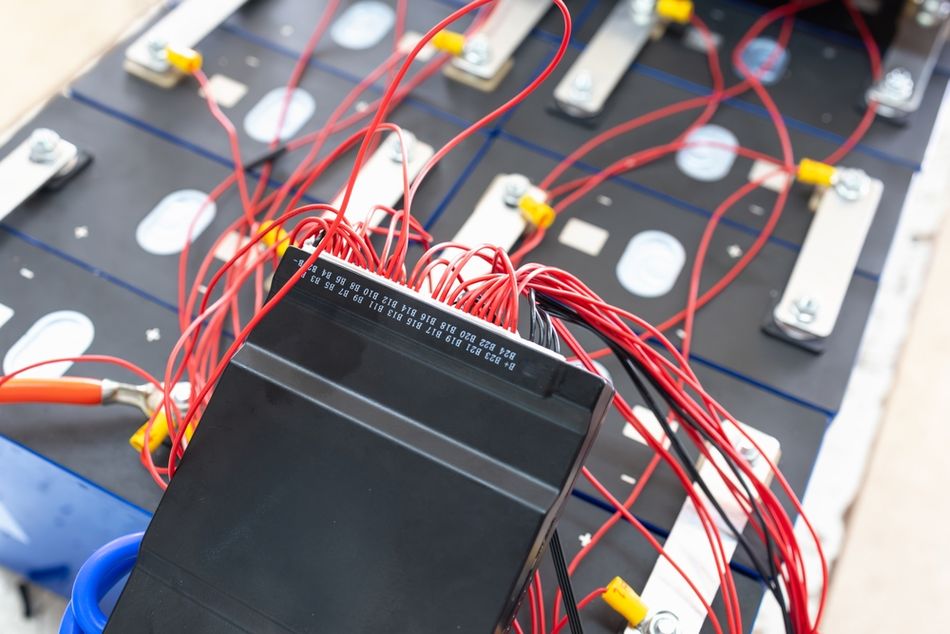
The key functions include:
Voltage Regulation and Cell Balancing: A BMS prevents over-charging by stopping charge at 3.65 V per cell and prevents over-discharge below 2.5 V. Balancing circuitry equalizes cell voltages to avoid cell imbalances.
Current Protection: Over-current protection (OCP) limits discharge current to the rated value (typically 1 to 3 C). Short-circuit protection disconnects the pack when excessive current is detected.
Temperature Protection: Charging is permitted only between 0 °C and 55 °C; cells should not be charged below 0 °C due to the risk of lithium plating [4]. Some BMS units include heaters to pre-warm cells in cold environments. Discharging is generally allowed from -20 °C to 55 °C.
State-of-charge (SOC) Estimation: Accurate SOC calculation is easier for LiFePO4 due to the flat voltage curve. The BMS tracks current integration (Coulomb counting) and monitors voltage to estimate remaining capacity.
Communication and Monitoring: Modern BMS units support CAN Bus or RS-485 communication to transmit cell voltages, temperatures, current, and alarms. This enables integration with solar charge controllers, inverters, and vehicle controllers.
Charging Guidelines
LiFePO4 batteries use a two-stage constant-current/constant-voltage (CC-CV) charging profile. For single cells, charge to 3.50 to 3.65 V, then hold constant voltage until current tapers to ~0.02 C. Packs are scaled accordingly: 12.8 V (4s LiFePO4) packs charge at 14.0 to 14.6 V, 24 V packs at 28.0 to 29.2 V, and so on. Float charging is not required; long-term float at high voltage can reduce lifespan. The ideal operating range is 10 to 90% SOC [4]. Over-voltage or over-charging can accelerate degradation and trigger BMS protection.
Recommended Reading: Selecting Battery Management Systems Transformers for Isolated Communications in High-Voltage Energy Storage
Applications of LiFePO4 Batteries
LiFePO4 batteries have proliferated across a wide range of sectors due to their longevity, safety, and cost advantages.
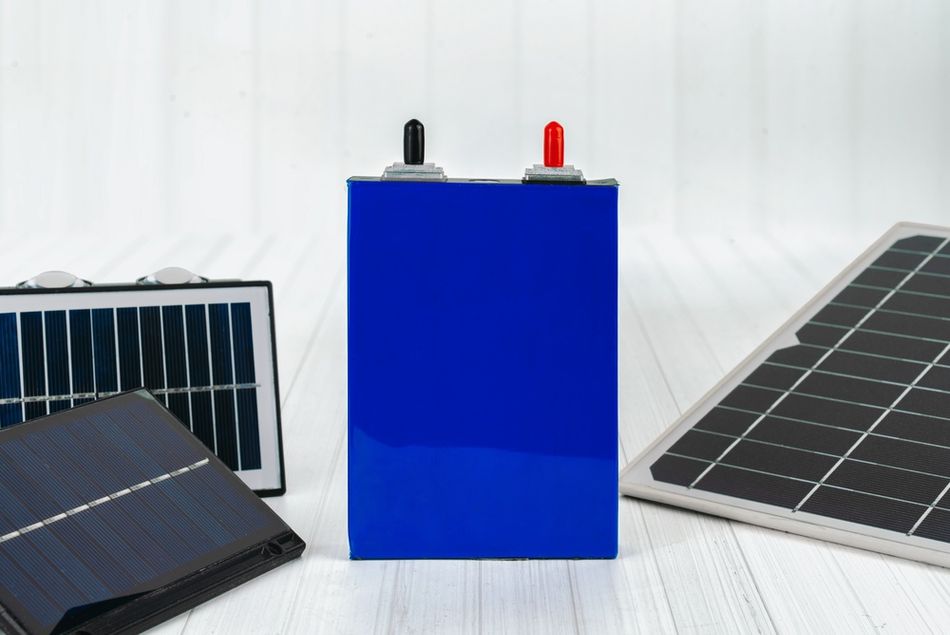
Solar and Off-Grid Energy Storage
Solar energy storage is one of the most important applications for lithium iron phosphate batteries. Off-grid solar arrays, residential battery systems, and microgrids require batteries that can withstand thousands of daily charge cycles with minimal degradation. LiFePO4 batteries commonly provide 3,000 to 6,000+ cycles and tolerate deep cycle operation better than traditional lead-acid batteries. Their high charge/discharge efficiency also allows more energy from solar panels to be stored and used effectively in homes, cabins, telecom sites, and remote power systems.
RV, Marine, and Portable Power
Recreational vehicles, campervans, marine vessels, and portable power stations increasingly use LiFePO4 batteries instead of AGM or flooded lead-acid batteries. The main advantages are lower weight, higher usable battery capacity, longer lifespan, and reduced maintenance. A LiFePO4 battery pack can often deliver longer runtime for appliances, lighting, navigation systems, pumps, and onboard electronics. Its sealed construction and stable battery chemistry also make it suitable for confined spaces where safety and ventilation are important design considerations.
Backup Power and UPS Systems
LiFePO4 batteries are well suited for backup power and uninterruptible power supply systems because of their low self-discharge rate, high power capability, and long service life. Data centers, telecom infrastructure, medical facilities, and industrial sites use LFP batteries to provide stable power during grid interruptions. Compared with lead-acid batteries, LiFePO4 batteries require less maintenance, recharge more efficiently, and can support repeated discharge cycles without rapid capacity loss. The battery management system is typically used to protect against overcharging, overheating, over-discharge, and excessive current.
Electric Vehicles
LiFePO4 batteries are increasingly used in electric vehicles where safety, durability, and cost are more important than maximum driving range. Their long cycle life and resistance to thermal runaway make them suitable for entry-level EVs, commercial vehicles, buses, delivery fleets, and urban mobility platforms. Nickel-based battery chemistries such as NMC and NCA offer higher energy density, but LFP batteries provide longer lifespan, lower material cost, and stronger thermal stability. For this reason, many EV manufacturers use lithium iron phosphate batteries in models designed for affordability, reliability, and high daily usage.
Grid-Scale and Commercial Energy Storage
Grid-scale energy storage systems use LiFePO4 batteries for frequency regulation, peak shaving, load shifting, and renewable energy integration. These applications require battery technology that can operate for thousands of discharge cycles with predictable performance and minimal degradation. Large commercial battery packs based on LFP chemistry are valued for their thermal stability, long service life, and lower risk of thermal runaway. In utility and commercial power systems, the ability to reduce maintenance, improve safety, and lower replacement costs often matters more than achieving the highest possible energy density.
Recommended Reading: Energy Storage System (ESS) Technologies Most Suitable for Renewable Energy Usage
Trade-Offs and Limitations
While LiFePO4 batteries offer numerous advantages, engineers must also consider the following limitations:
Lower Energy Density: LiFePO4 batteries are heavier than NMC or NCA batteries (150 to 250 Wh/kg and 200 to 260 Wh/kg, respectively) at 90 to 160 Wh/kg [5]. This limits their use in vehicles where maximum range is paramount.
Lower Cell Voltage: LiFePO4 - 3.2 V nominal voltage means more cells are needed in series to reach a given pack voltage compared with 3.6 to 3.7 V chemistries. This increases BMS complexity and interconnect count.
Cold-Temperature Charging: LiFePO4 cells should not be charged below 0 °C due to risk of lithium plating; heating or low-temperature cut-off is necessary. Discharge capability is also reduced at sub-zero temperatures.
Power Capability: Although prismatic cells can provide high continuous currents (1 to 3 C), LiFePO4 chemistry generally has lower rate capability than some high-power NMC or NCA cells. High-power cylindrical cells mitigate this but at a higher cost.
Future Technology Competition: Emerging chemistries such as sodium-ion and lithium-manganese-iron-phosphate (LMFP) aim to deliver higher energy density and further cost reductions. Engineers must evaluate whether LiFePO4 remains the optimal choice as these technologies mature.
Despite these limitations, the combination of long cycle life, safety, and lower total cost of ownership makes LiFePO4 batteries the preferred choice for many solar storage systems, backup power units, and EV fleets.
Recommended Reading: Early Fault Detection in Lithium-ion Batteries with Honeywell BES LITE
Conclusion
LiFePO4 batteries represent a robust, safe, and long-lasting lithium-ion chemistry well suited for stationary storage, solar energy systems, recreational vehicles, marine applications, and a growing segment of electric vehicles. Their olivine crystal structure, with strong P-O bonds, confers excellent thermal stability, preventing oxygen release and drastically lowering the risk of thermal runaway. Typical LiFePO4 cells provide a nominal voltage of 3.2 V, charge to 3.65 V, discharge to 2.5 V, and deliver 3,000 to 6,000+ cycles at 80% depth of discharge.
Although LiFePO4 has a lower energy density than nickel-based chemistries, its long life and safety advantages translate into a lower cost per cycle and justify the additional mass in many applications. The leading manufacturers offer cells and modules spanning from high-power cylindrical cells to large prismatic modules with capacities over 300 Ah. Battery management systems maintain safe operation by regulating voltage, current, and temperature. LiFePO4 is poised to remain a cornerstone of energy storage and electric mobility even as new chemistries emerge.
Frequently Asked Questions
Q. What is LiFePO4?
A. LiFePO4 stands for lithium iron phosphate, a type of lithium-ion battery chemistry using an iron-phosphate cathode material. It is known for safety, long cycle life, thermal stability, and reliable deep-cycle performance.
Q. How long do LiFePO4 batteries last?
A. LiFePO4 batteries typically last 3,000 to 6,000 charge cycles, depending on depth of discharge, temperature, charger quality, and BMS protection. In well-managed systems, their service life can exceed 10 years.
Q. Is LiFePO4 safer than lithium-ion?
A. Yes. LiFePO4 cathodes decompose at 270 to 310 °C and do not release oxygen, whereas nickel-rich chemistries decompose at 150 to 200 °C and can release oxygen, leading to thermal runaway. This makes LiFePO4 batteries far less prone to fire or explosion under abuse.
Q. Can I replace lead-acid batteries with LiFePO4?
A. Yes, many lead-acid batteries can be replaced with LiFePO4 battery packs, especially in deep cycle applications. However, the charger, voltage range, BMS, and system compatibility must be verified first.
Q. Why are LiFePO4 batteries used in EVs now?
A. LiFePO4 batteries are used in electric vehicles because they offer long cycle life, strong safety, lower cost, and no cobalt or nickel. Their lower energy density is acceptable in many standard-range EV designs.
Q. How do I charge a LiFePO4 battery?
A. Use a CC-CV charger designed for LiFePO4 cells. Charge individual cells to 3.50 to 3.65 V (14.0 to 14.6 V for a 12.8 V pack), hold at constant voltage until current tapers to ~0.02 C, then stop. Do not trickle charge, and avoid charging below 0 °C to prevent lithium plating.
Q. What is the difference between LiFePO4 and lithium-ion?
A. Lithium-ion is a broad battery category that includes NMC, NCA, LCO, LTO, and LiFePO4. LiFePO4 has lower energy density but better thermal stability, safety, durability, and longer cycle life.
References
[1] EVE Energy. LF280K Prismatic Cell Datasheet [Cited 2026 June 5]; Available at: Link
[2] Winston Battery. LiFePO4 vs NMC and Lead-Acid Comparisons [Cited 2026 June 6]; Available at: Link
[3] Battle Born Batteries. BB10012 Deep Cycle Battery Specifications [Cited 2026 June 6]; Available at: Link
[4] Sunon Battery. How to Properly Charge LiFePO4 Battery? [Cited 2026 June 6]; Available at: Link
[5] Eneronix. LiFePO4 vs NMC vs NCA: Best Lithium Battery Chemistry for Solar Systems? [Cited 2026 June 4]; Available at: Link
in this article
1. Key Takeaways2. Introduction3. What Is LiFePO4 Chemistry?4. LiFePO4 Cell Specifications5. Cycle Life and Longevity6. Thermal Stability and Safety7. Comparison to Other Li-ion Chemistries8. LiFePO4 Versus Lead-Acid Batteries9. BMS Requirements for LiFePO4 Batteries10. Applications of LiFePO4 Batteries11. Trade-Offs and Limitations12. Conclusion13. Frequently Asked Questions14. References