Featured
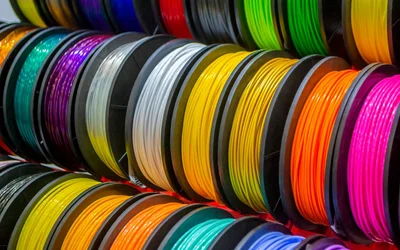
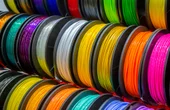
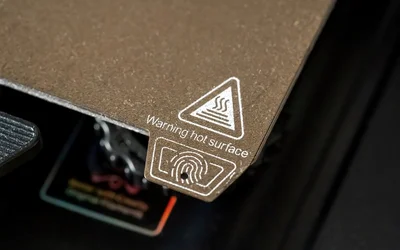
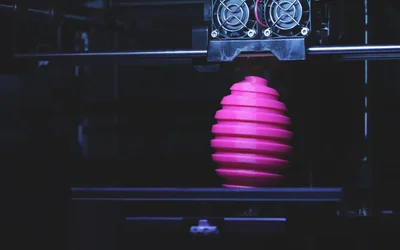
ABS is a low-cost 3D printing filament with excellent impact and wear resistance. However, the ideal ABS print temperature is quite high, and the material also requires a heated bed to prevent warping.
This Report shows how tools like artificial intelligence, digital twins, and on-demand manufacturing are no longer emerging concepts, but are already delivering measurable impact across the product lifecycle.
ABS is a low-cost 3D printing filament with excellent impact and wear resistance. However, the ideal ABS print temperature is quite high, and the material also requires a heated bed to prevent warping.
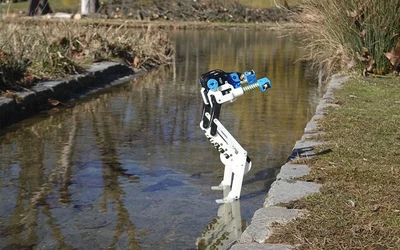
Created by the Dynamic Locomotion Group at the Max Planck Institute for Intelligent Systems (MPI-IS), BirdBot serves two purposes: Demonstrating a more efficient bipedal robot design, and furthering our understanding of how birds' legs work.
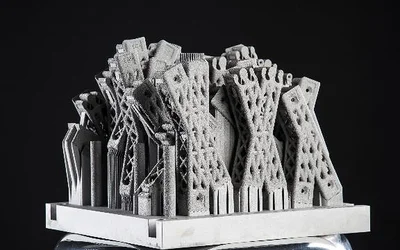
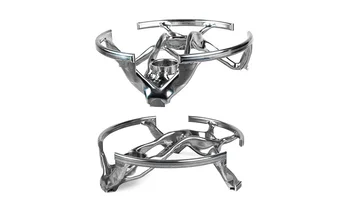
The HandySCAN 3D allows APWORKS, who is part of the AIRBUS Group, to have an effective and fast evaluation of the quality of their manufactures 3D printed parts.
An engineer’s guide to understanding the state of the art in metal 3D Printing
15 minutes read.
22 minutes read.
11 minutes read.
18 minutes read.
12 minutes read.
16 minutes read.


Entertainment
The Next Byte Podcast is hosted by two young engineers - Daniel and Farbod - who select the most interesting tech/engineering cont...
165 Posts
ADDITIV Medical 2026 will bring together more than 500 medical professionals
Choosing between 3D printing and injection molding is one of the key decisions in product development—especially in case of prototyping.
Explore how the right finishes and coatings can improve aerospace parts by boosting durability, extending service life, enhancing environmental resistance, and delivering the performance and appearance required for demanding applications.
The choice between 3D printing and CNC machining is the most common decision regarding manufacturing methods that must be made before placing the first order for prototypes. The correct answer depends on tolerance requirements, material specifications, component geometry, and schedule.
Discover how iAM Marketplace simplifies industrial additive manufacturing by unifying materials, validation services, and multi-brand technologies into one open ecosystem for efficient AM sourcing.
This article discusses what attendees can expect from TCT Asia 2026, including its conference format, focus areas, and the experts contributing to industry-specific discussions.
This article discusses the exhibitors, products, and industrial trends defining additive manufacturing across the Asia-Pacific region at TCT Asia 2026.
This article discusses how the Asia-Pacific region is advancing additive manufacturing and the role of TCT Asia as the leading 3D printing and additive manufacturing event in the Asia-Pacific.
ABS is a low-cost 3D printing filament with excellent impact and wear resistance. However, the ideal ABS print temperature is quite high, and the material also requires a heated bed to prevent warping.
Created by the Dynamic Locomotion Group at the Max Planck Institute for Intelligent Systems (MPI-IS), BirdBot serves two purposes: Demonstrating a more efficient bipedal robot design, and furthering our understanding of how birds' legs work.
The HandySCAN 3D allows APWORKS, who is part of the AIRBUS Group, to have an effective and fast evaluation of the quality of their manufactures 3D printed parts.

4 minutes read
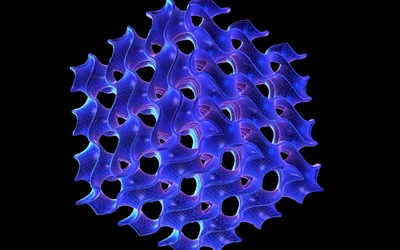
Everything you need to know about the gyroid structure, one of the most advanced—and cool looking— 3D printing infill patterns available in slicer programs.
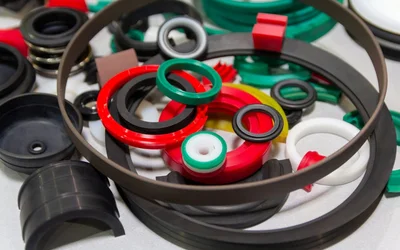
Is it possible to 3D print rubber? In a strict sense, no. But with a huge number of flexible filaments and flexible resins out there, it is possible to make pliable, rubber-like parts suitable for a range of applications.
Along with prototyping, additive manufacturing has also found its way into end-use fully functional component production. In many sectors, 3D printing is employed along with conventional technologies like CNC, if not singly.

3 minutes read
Durable, flexible, and chemically resistant, PETG is a valuable 3D printing filament with a small price tag. However, the ideal PETG bed temperature is higher than other materials.
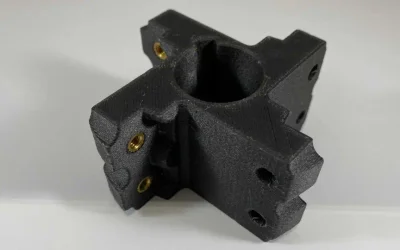
One way to enhance the capabilities of your plastic printed parts are heat set inserts. Read on to find out what they are and how they work.

6 minutes read
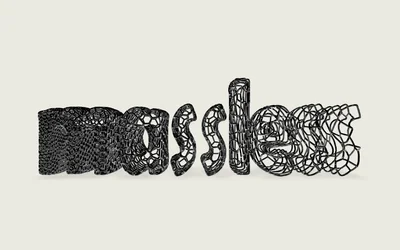
Engineers have tremendous leverage in humanity's race to curb the most disastrous impacts of climate change. Massless offers a framework to accelerate innovation and decelerate climate change at the same time.

4 minutes read
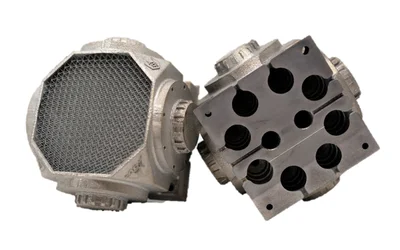
Aerojet Rocketdyne engineers optimized a key component of their Reaction Control System (RCS) quad thruster using additive manufacturing. Not only is the new space engine part 67% lighter, but it also contributes to the reduction of the overall production cost of the thruster by 66%

5 minutes read
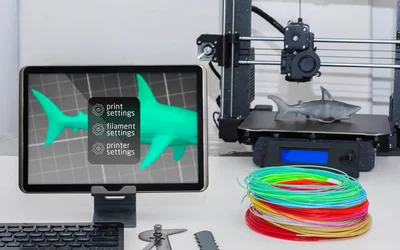
Nozzle diameter and layer height can both greatly affect the resolution, printing time, and appearance of 3D printed parts. They are also connected to each other in an important way.
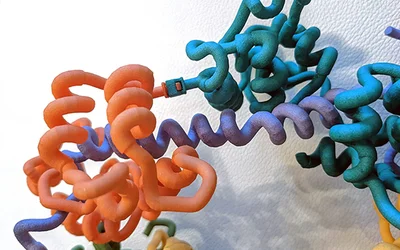
Caleigh Goodwin-Schoen and Rebecca Taylor are designing more affordable ways to print colorful 3D models of biological nanostructures, like proteins and DNA.

3 minutes read
Thanks to its durability, chemical resistance, and low shrinkage, PETG filament is fast gaining popularity. However, it can be difficult to print without careful preparation and adjustment of 3D printer settings.
Find out how tree supports can help you use less material while being easier to remove and leaving your model with little to no scarring.
6 minutes read
3D printers promise endless applications. However, sometimes reality gets in the way of that promise. One example of where that can happen is when trying to print something that needs to hold water, only to watch it leak like a sieve. Read on to find out to avoid such a tragic waste of liquid.
8 minutes read