Manufacturing

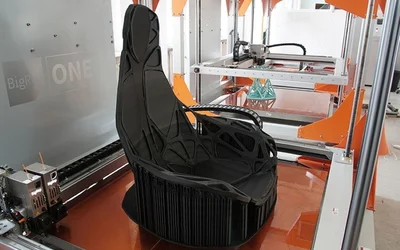
Responsive car seat enabled by large-format 3D printing showcases innovation potential for additive manufacturing in automotive space.
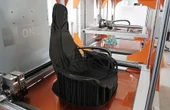

The purpose of decarbonization for the manufacturing industry since 2021 onward has changed from social contribution to achieving profits by observing conditions in transactions with customers and enhancing cost competitiveness.

Engineers Wiki. Most Asked Questions.
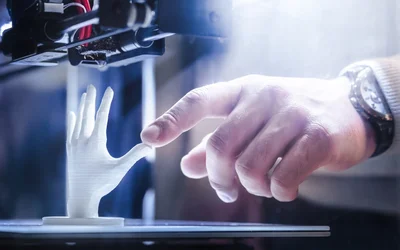
What is 3D printing? This article goes over the basics of 3D printing, otherwise known as additive manufacturing, covering its engineering principles and applications.
CNC Turning: Process, Operations, Machines, and Applications
14 minutes read.
PLC Programming: Languages, Scan Cycles, and Working Ladder Logic
17 minutes read.
GD&T Explained: Symbols, Datums, and Tolerances
11 minutes read.
What Is a PLC? A Complete Guide to Programmable Logic Controllers
18 minutes read.
True Position in GD&T: Formula, Tolerance Zones, and MMC
13 minutes read.
H7 Tolerance Explained: ISO 286 Hole Tolerance Charts
10 minutes read.
ORGANIZATIONS. SHAPING THE INDUSTRY.


The Next Byte
Entertainment
The Next Byte Podcast is hosted by two young engineers - Daniel and Farbod - who select the most interesting tech/engineering cont...
165 Posts



TAGGED WITH 3d printing
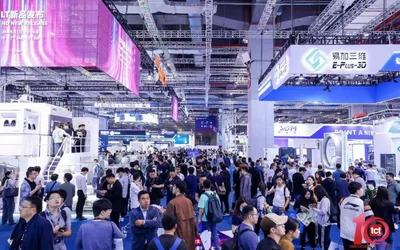
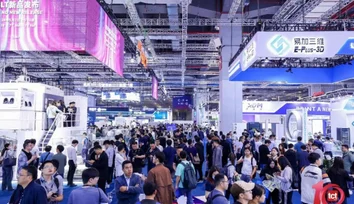
With just one month before the South Asian 3D printing trade show, we look at the events and showcases visitors will be able to take part in.
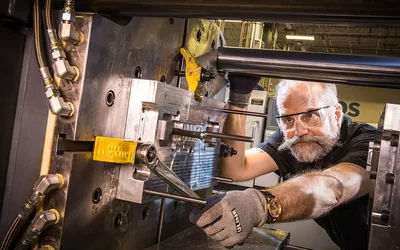
Lean manufacturing focuses on creating more value with less waste. Pioneered by Toyota in the 1950s, this approach helps businesses streamline processes, improve efficiency, and eliminate activities that don't add value to the final product.
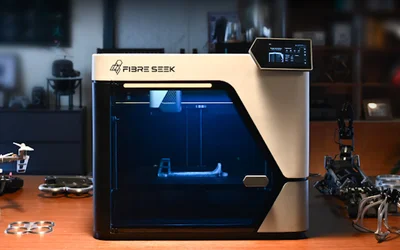
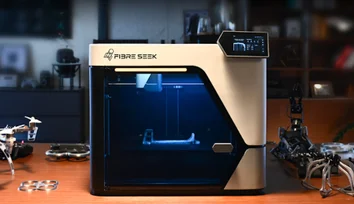
Following a successful crowdfunding campaign, the FibreSeeker 3 from FibreSeek is bringing continuous carbon fiber printing to a new audience.
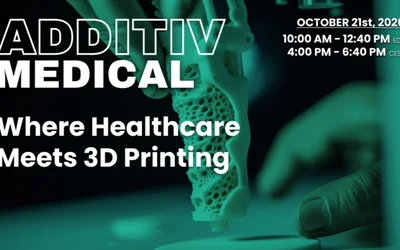
ADDITIV Medical 2026 will bring together more than 500 medical professionals
TAGGED WITH digital fabrication
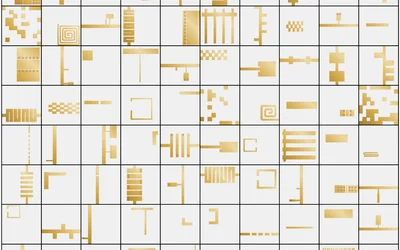
The data problem

From leading experts at the CDFAM Computational Design Symposium
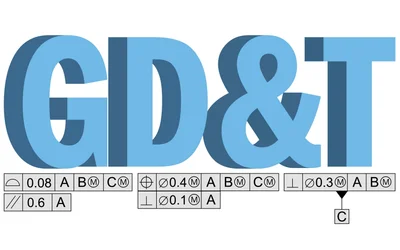
GD&T is the symbolic language engineers use to state exactly how much a part can vary and still work. This guide covers the basics.
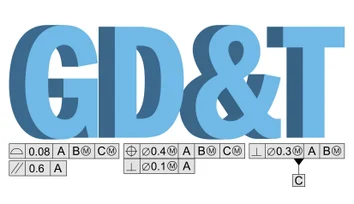
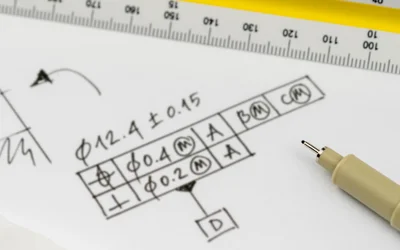
This guide covers the true position formula, how to read the feature control frame, and how MMC and LMC generate bonus tolerance.
Latest Posts
InDro Robotics expands with InDro Forge

5 minutes read
Responsive car seat enabled by large-format 3D printing showcases innovation potential for additive manufacturing in automotive space.
The purpose of decarbonization for the manufacturing industry since 2021 onward has changed from social contribution to achieving profits by observing conditions in transactions with customers and enhancing cost competitiveness.

6 minutes read
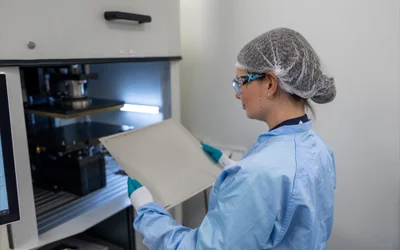
Electroforming is an Additive Manufacturing process specialized for the production of high-precision metal parts. Nickel, due to its expansive range of mechanical properties, aesthetic appeal, and resistance to corrosion, has become the most widely used material for this process. It not only enables the reproduction of extremely fine details but also permits the deposition of materials with high hardness. Electroforming technology allows depositing metal alloys to tailor specific material properties like mechanical or thermal characteristics.

3 minutes read
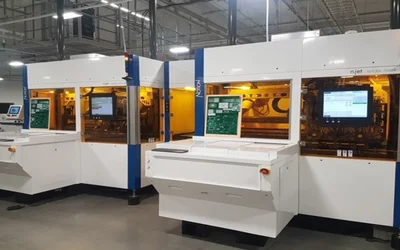
There are three big topics that shape the production environment of today and tomorrow: digitalization, additive manufacturing, and preserving natural resources/zero waste. Learn how inkjet printing achieves these in PCB manufacturing.

8 minutes read
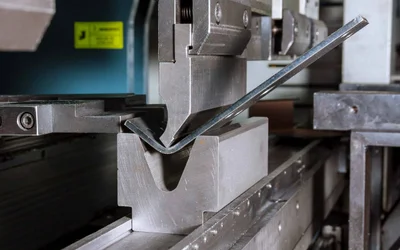
This article will give you 10 essential tips to create a perfect design for a sheet metal part using bending technologies.

5 minutes read
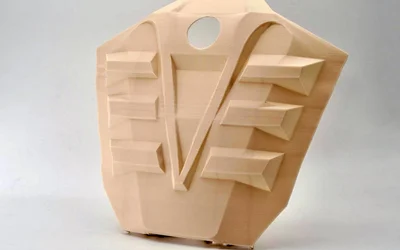
Here’s everything you need to know about BigRep ASA 3D printing filament, from material properties and benefits, to best practices and use cases.
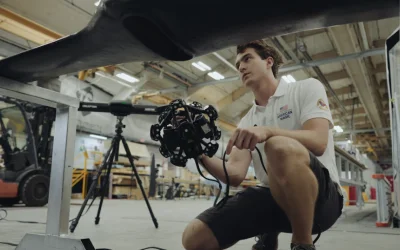
The New York City Yacht Club’s American Magic team once again chooses Creaform’s 3D measurement technologies to gear up for the next America’s Cup. Learn more.

2 minutes read
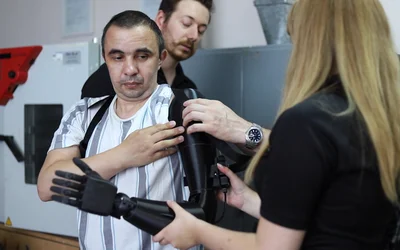
In a world often defined by disparities in healthcare access, Victoria Hand Project, a Canadian charity, is a beacon of hope. Founded in 2015 with the mission to provide accessible 3D-printed prosthetic care to under-resourced communities around the world, Victoria Hand Project has transformed lives by combining cutting-edge technology with compassionate outreach.

5 minutes read

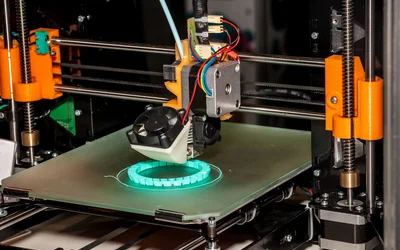
Brims, rafts, and skirts are FDM 3D printing techniques that can enable better bed adhesion and print stability. Here’s how and when to use them.
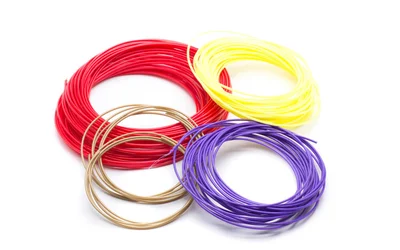
FDM 3D printer users who want more elasticity from their prints often turn to TPU filament, a flexible alternative to PLA with numerous benefits. But what else should you consider when looking at TPU vs PLA?
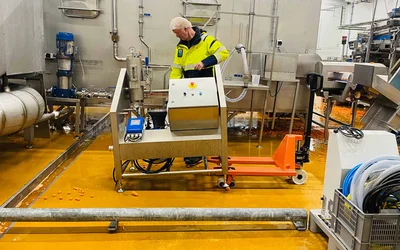
Clean by ozone. It’s a term many may not be familiar with but for Arrow Lake they are on a mission to develop the world’s most efficient ozone technology and energy-efficient solutions with help from Protolabs.

5 minutes read
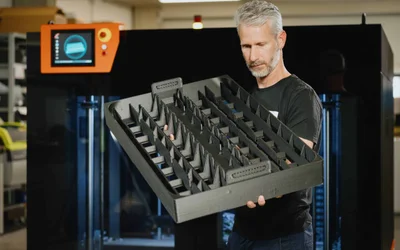
When it comes to FFF (Fused Filament Fabrication) 3D printing, selecting the appropriate printing material is crucial and should never be underestimated.
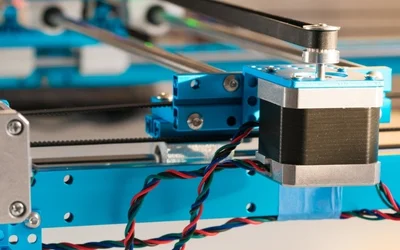
Actuators are an integral part of instrumentation systems that power the machines that exist today. These devices make it possible for the machines to interact with their surroundings the way they do. In this article, we take a closer look at the omnipresent technology.

In this article, let’s delve into how on-demand manufacturing holds the potential to accelerate the development of unmanned logistic vehicles, leading to more efficient and agile industry practices.

3 minutes read