
Featured
Before the pandemic, research suggested that adoption of AI (artificial intelligence) and ML (machine learning) in business was increasing at a rate of about 25% per year.
Before the pandemic, research suggested that adoption of AI (artificial intelligence) and ML (machine learning) in business was increasing at a rate of about 25% per year.
Try to use the standard parameters in your part design, and the same parameters should be as consistent as possible. Wonder why?
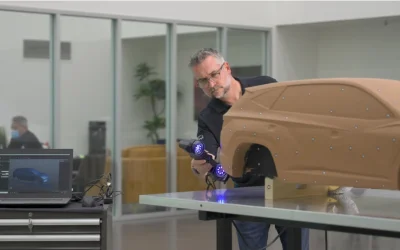
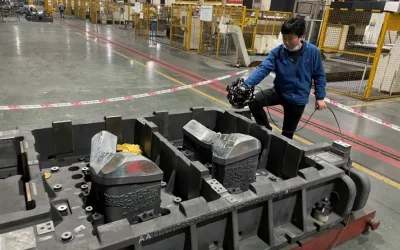
How Hyundai Design North America uses HandySCAN 3D for improving real-time design workflows
What is 3D printing? This article goes over the basics of 3D printing, otherwise known as additive manufacturing, covering its engineering principles and applications.
14 minutes read.
17 minutes read.
11 minutes read.
18 minutes read.
13 minutes read.
10 minutes read.


Entertainment
The Next Byte Podcast is hosted by two young engineers - Daniel and Farbod - who select the most interesting tech/engineering cont...
165 Posts
With just one month before the South Asian 3D printing trade show, we look at the events and showcases visitors will be able to take part in.
Lean manufacturing focuses on creating more value with less waste. Pioneered by Toyota in the 1950s, this approach helps businesses streamline processes, improve efficiency, and eliminate activities that don't add value to the final product.
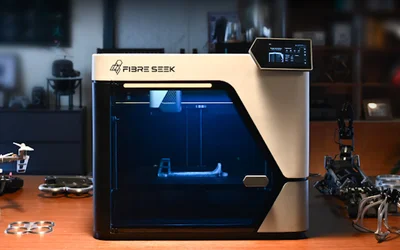
Following a successful crowdfunding campaign, the FibreSeeker 3 from FibreSeek is bringing continuous carbon fiber printing to a new audience.
ADDITIV Medical 2026 will bring together more than 500 medical professionals
The data problem
From leading experts at the CDFAM Computational Design Symposium
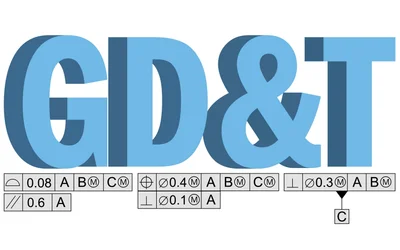
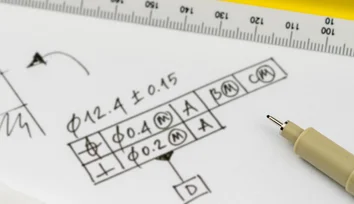
GD&T is the symbolic language engineers use to state exactly how much a part can vary and still work. This guide covers the basics.
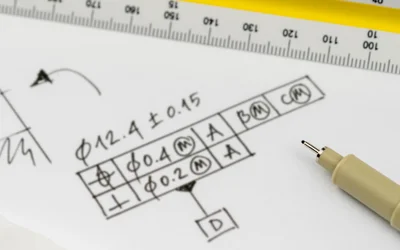
This guide covers the true position formula, how to read the feature control frame, and how MMC and LMC generate bonus tolerance.
Before the pandemic, research suggested that adoption of AI (artificial intelligence) and ML (machine learning) in business was increasing at a rate of about 25% per year.
Try to use the standard parameters in your part design, and the same parameters should be as consistent as possible. Wonder why?

How Hyundai Design North America uses HandySCAN 3D for improving real-time design workflows

3 minutes read
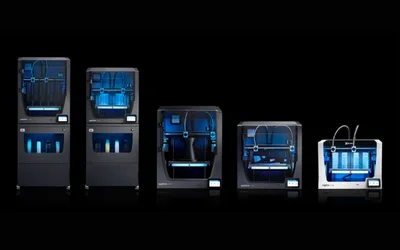
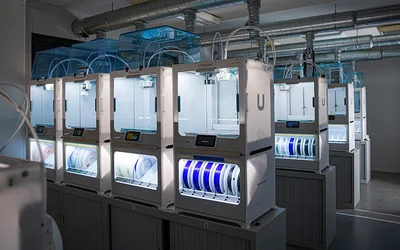
Understanding the different types of 3D printers available in the market will help ensure that you select the best product for your operations.

3 minutes read
For real-time geo-registration, Oversight uses a physical engine and digital twins to make image matching algorithms more agnostic to variations.

2 minutes read
The last time prices for groceries and gas rose this quickly was 1981. Four decades later, inflation in the US hit 9.1% in June, causing national banks to turn the dial on interest rates in an effort to cool the economy – without freezing it into recession.

4 minutes read
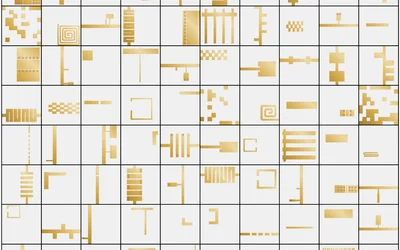
Gallium-Indium-Tin is an interesting material for stretchable electronics. It can be formed into a non-toxic RoHS-compliant gel and applied to almost any substrate to form stretchable conductive metallizations and circuits.

Many FDM users are haunted by a printing issue known as ghosting. Often caused by vibrations in the printer, 3D print ghosting can usually be fixed by following a few simple steps.
Looking to get started with your first 3D printer? Get to know the main differences between the two most popular technologies - Resin 3D printers and Filament 3D printers.

8 minutes read
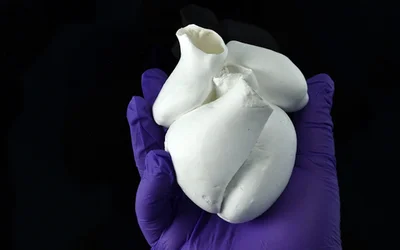
In this episode, we talk about how researchers are developing tools to better understand how different microbial communities impact our health in an effort to reverse engineer them and the critical methodology used to 3D print functional heart ventricles.

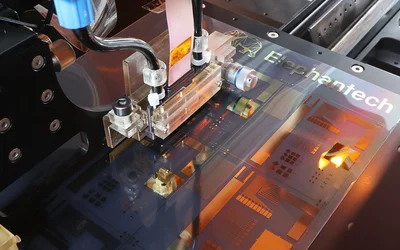
Here, the additive nature of the process means that the production process is environmentally friendlier and does not involve etching chemicals. Furthermore, the digital nature of the patterning (inkjet printing) means that designs can be changed faster.
While acetone works in combination with ABS, it is not viable for smoothing PLA prints. Fortunately, there are alternatives to acetone for PLA. From chemical solvents to manual techniques, here are the ways you can post-process and smooth a PLA 3D print.
Designers often work with a clean slate, dreaming up products that can be manufactured in any number of ways. But for manufacturers, the design stage is where important decisions are made about how the product will be produced.
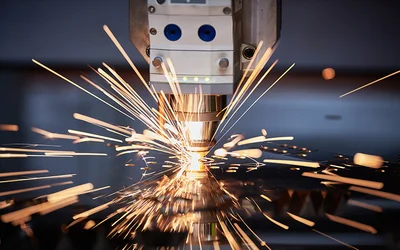
With the rapid development of the automobile industry and its production capacity, traditional sheet metal processes can no longer meet the sector’s growing needs. Therefore, it is necessary to consider new and innovative technologies to keep up with the industry’s ever-evolving needs.
4 minutes read
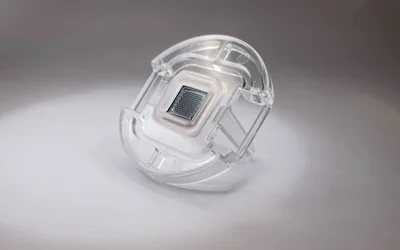
Having initially developed the blood sampling product, Ascilion found the guidance from the Protolabs Team invaluable. Advice on the choice of materials and iterations to the design meant the prototype was optimised for injection moulding. Saving time and costs.

3 minutes read