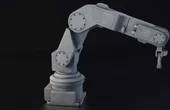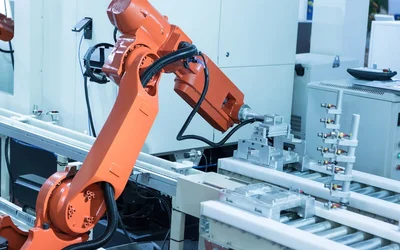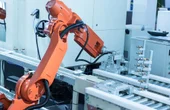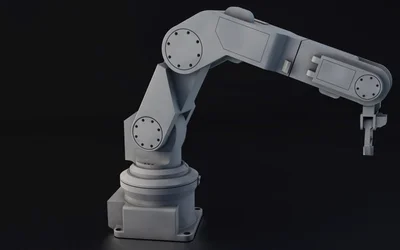
Robotic actuators stand at the forefront of technological innovation, transforming energy into motion to breathe life into robots, enhancing their capabilities in an ever-evolving landscape of industrial automation.
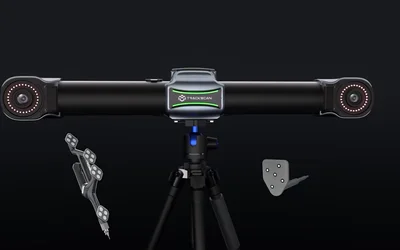
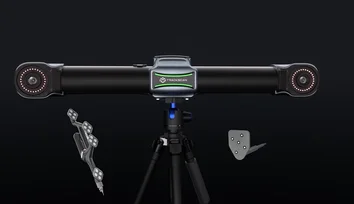
SCANOLOGY's 6D Pose Tracking System transforms industrial robots into high-precision experts, enabling rapid calibration, real-time pose compensation, and accurate positioning—boosting efficiency, product quality, and reliability in advanced manufacturing environments.
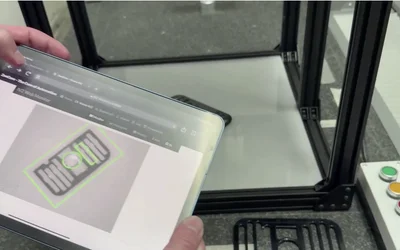
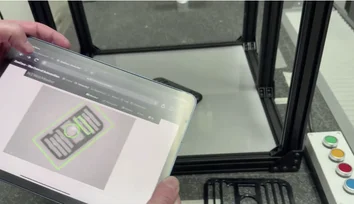
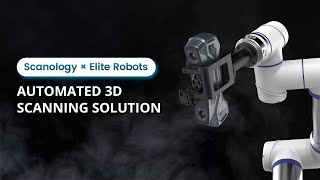
Scanology AM-DESK and Elite Robots deliver a plug-and-play automated 3D inspection solution, combining precision, flexibility, and speed to transform quality control for modern manufacturing and empower truly smart, data-driven factories.
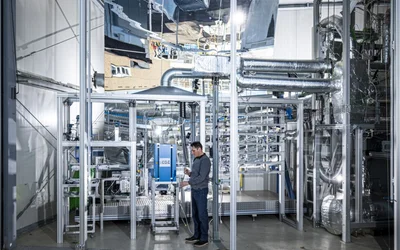
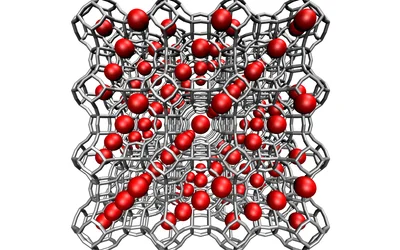
The integrated design achieves accurate micro gas chromatography and can help reduce the cost of monitoring chemical synthesis, natural gas pipelines or at-home air quality.

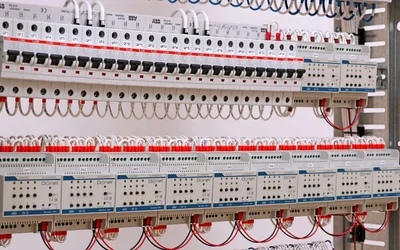
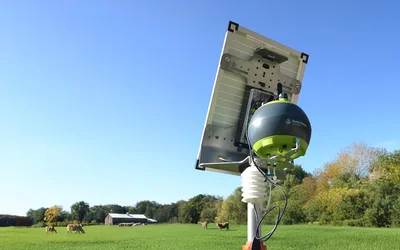
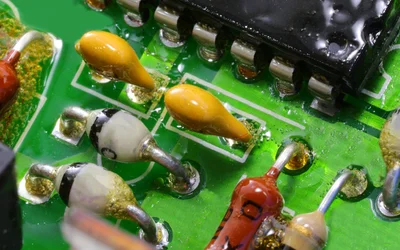
Enhance environmental control with the customizable RHT1 module by ScioSense, delivering precise, reliable humidity and temperature sensing for smarter, more efficient electronic systems.
OMRONs B5L 3D Time-of-Flight sensor and OKAO Vision AI-powered Human Pose Estimation software enable privacy-conscious, real-time fall detection and posture monitoring in healthcare settings, ensuring reliable, lighting-independent, and camera-free human-aware automation.
Robotic actuators stand at the forefront of technological innovation, transforming energy into motion to breathe life into robots, enhancing their capabilities in an ever-evolving landscape of industrial automation.
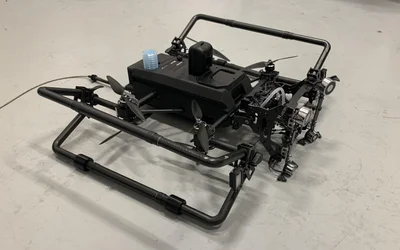
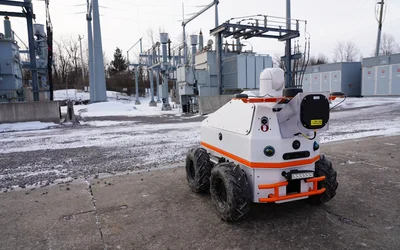
In this episode, we talk about how researchers are developing tools to keep us safe using technology that ranges from ultra-heat resistant tents for fighters to drones capable of discovering hidden landmines.
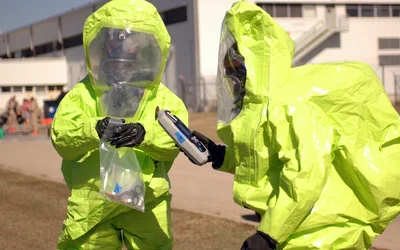
A student article showcasing an Android application called DOT-HAZMAT based on Machine Learning and Computer Vision that locates and categorizes HAZMAT placards in perilous rescue operations.
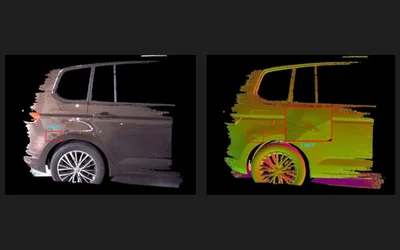
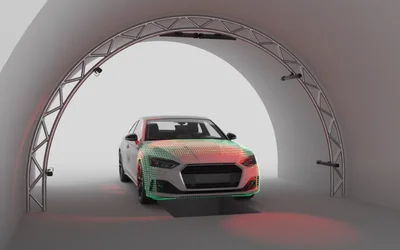
Parallel Structured Light is the only technology that enables you to create colorful & high-quality 3D point clouds of large objects in motion. This opens up countless new applications. This virtual case study looks at the advanced inspection of large objects.
Lights-out manufacturing refers to the manufacturing methodology where factories are fully-automated. While true lights-out factories are still rare today, manufacturers can look to companies like FANUC, in Japan, for inspiration.
Many manufacturers are struggling to find skilled labor for their manufacturing plants? According to the Society of Manufacturing Engineers, 89% of manufacturers are having difficulty finding skilled workers in the United States today.
The switch to automation does require an investment in new technology, and it’s important to evaluate the status of your business before you embark on an investment that may fundamentally change the way your factory operates.
More manufacturers than ever before are turning to automation to remain competitive in the global marketplace. Small businesses and large companies alike are now increasingly relying on robotic automation to free human laborers of repetitive tasks and boost productivity.
The fourth industrial revolution has the potential to fundamentally transform the way humans and machines work today. Will it lead to an improvement in the quality of life? Or will it be a cause of widespread job losses and unrest?
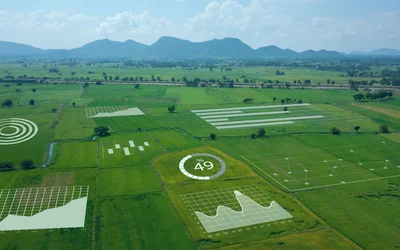
Using an artificial neural network, researchers at ETH Zurich have created the first high-resolution global vegetation height map for 2020 from satellite images.
The MGV (Mechanical Guidance Vehicle) device is a self-controlling device without a driver. The guidance system of this device is mechanical, without a driver. Rough surfaces, which are one of the limitations of the AGV (Automated Guided Vehicle) device, do not exist for this device.
Parts presentation isn’t always the easiest automation problem to solve but it can be one of the most important in determining the level of automation you can add to a production line.