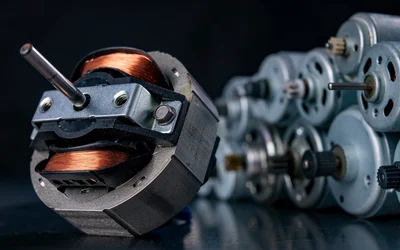
This guide offers engineers an in-depth understanding of H Bridge motor control, explaining its basics, topologies, switching strategies, design, optimization, and practical considerations for next-generation engineering projects.
Discover how radar sensors enhance building safety, traffic control, and asset management with reliable vehicle detection solutions for docks, parking, drive-thrus, and toll applications.
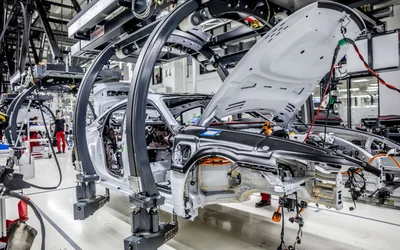
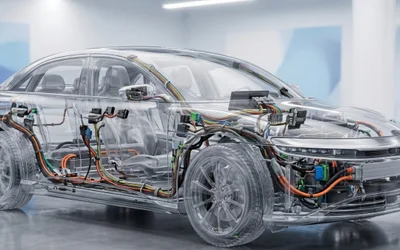
Modular high-voltage PDU architectures enable scalable power
distribution using standardized components. This approach
reduces tooling requirements, supports platform reuse, improves
serviceability, and accelerates integration in EV systems.
This guide offers engineers an in-depth understanding of H Bridge motor control, explaining its basics, topologies, switching strategies, design, optimization, and practical considerations for next-generation engineering projects.
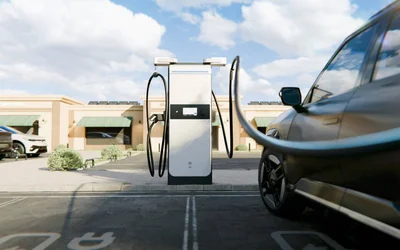
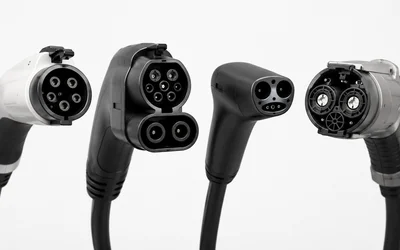
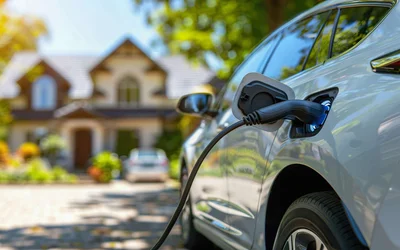
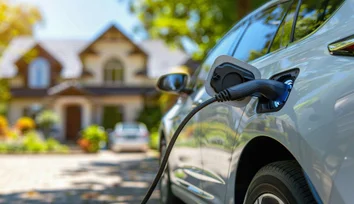
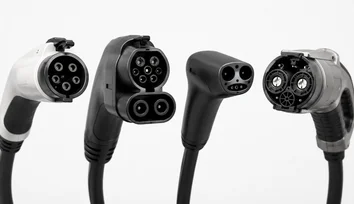
Electric vehicles face significant barriers to their adoption. Harwin delivers connectors to help designers create the next phase of charging infrastructure.
At recent 2023 Consumer Electronics Show (CES), Sony and Honda revealed their first electric vehicle prototype, which is equipped with 45 cameras and sensors, as well as Electric Rearview Mirrors.
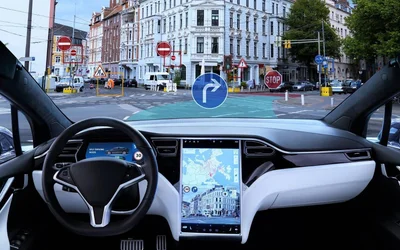
From space robots to self-driving cars, Stanford’s Autonomous Systems Lab looks to push the boundaries of exploration and boost the safety and efficiency of everyday tasks.
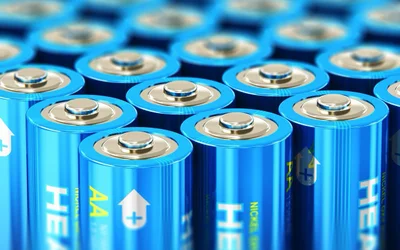
Batteries have limitations like slow charging, limited lifespan, and restricted power output. This is where supercapacitors, also known as ultracapacitors or electric double-layer capacitors (EDLCs), step in.
Along with ElaadNL, PhD researcher Tim Slangen studied the phenomenon known as supraharmonic disturbances, which can adversely affect the operation and efficiency of electrical appliances.
There are many divergent-but-related ideas about how best to leverage simulation to ‘teach’ and test automated vehicles. Global AV simulation experts continue to attack the technology’s persistent obstacles.
Based on the latest International Energy Agency (IEA) projections (featured in the newest edition of the Global EV Outlook), the share of electric vehicles (EVs) in the overall car market has risen from around 4% in 2020 to 14% in 2022 and is set to increase further to 18% in 2023.
In this episode, we discuss how active noise canceling technology works, what makes it so complex yet so useful, and why it is the unsung and underappreciated hero in your car.
Explore how GNSS technology, powered by the u-blox M10 platform, offers pet safety with high-precision, low-energy tracking solutions for our furry friends.
The switch to e-mobility is also taking shape in Austrian cab fleets. This year, ten cab ranks and 66 e-vehicles will be retrofitted with "Matrix Charging" in Vienna and Graz as part of the "eTaxi Austria" project.
"Safety first” is more than a catchphrase. For sensing company Provizio, it’s the only way the transportation industry should introduce autonomous vehicles.
In this episode, we discuss a GPT style AI model being developed by a multidisciplinary team led by the University of Michigan to tackle the battery development bottleneck preventing wide scale adoption of electric vehicles.