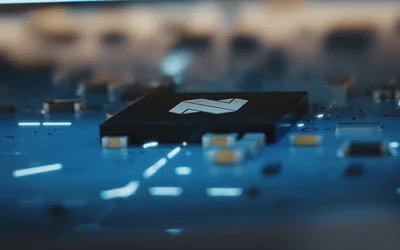
This article explores TPU vs GPU differences in architecture, performance, energy efficiency, cost, and practical implementation, helping engineers and designers choose the right accelerator for AI workloads today!
From simple sensor control to connected, intelligent devices, embedded systems often outgrow a single MCU. Pairing an MCU with Linux adds power and flexibility, but also introduces communication challenges, dual development workflows, and increasing software complexity.
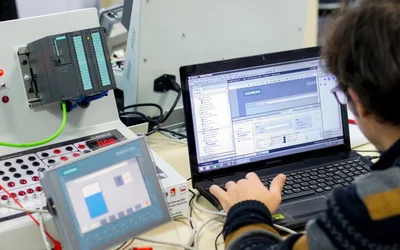
This article explores how automated CI/CD pipelines replace fragile manual build processes with reproducible, auditable workflows that improve compliance, reduce defects, and accelerate development in regulated embedded systems
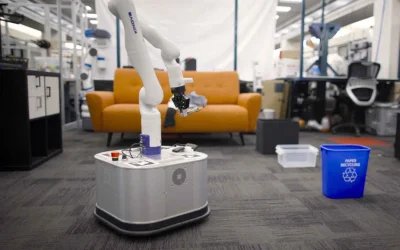
Mario Mauerer, maxon's Global Business Development Manager, Robotics, discusses what it takes for robotic deployments to be successful in complex real-world environments.
Join Prof. Fei Chen as he explores advanced bimanual manipulation and teleoperation techniques shaping the future of intelligent human-like robots in this expert-led robotics session.
A positive shift is taking place towards more advanced and specific digital healthcare for women. The so-called ‘femtech’ (female technology) industry has belatedly begun to deliver on the promise of solutions using wireless connectivity to help address women’s health issues.
In this episode, we explore the dynamic landscape of retail transformation in the digital age. Learn how the integration of cutting-edge technology is reshaping shopping experiences and customer engagement. From real-time supply monitoring to digital shelves enabling dynamic pricing based on demand, discover how retailers adapt to changing consumer behaviors and preferences.

Sensor and actuator networks are systems that collect and transmit data from a physical environment for digital processing. Data is collected at sensors and actuators in the field, then digitized at the sensor or actuator. The digitized data can be used for a variety of applications, and the method for data processing depends on the application
A pivotable moment in the remarkable rise of wireless innovation can be traced back a quarter of a century to the emergence of Bluetooth – an interoperable protocol that became a standard, accompanied by an open specification for both hardware and software. In its various forms, Bluetooth has powered a significant segment of the connected world ever since.
Energy harvesting for IoT provides a sustainable power solution, enabling self-sufficient devices that extract energy from their surrounding environment, enhancing longevity and reducing maintenance requirements
Article #4 of Spotlight on Innovations in Edge Computing and Machine Learning: Discover the integration of TinyML and wearable tech as we delve into a project that detects falls in real-time, potentially saving lives in our aging population.
LoRaWAN® and cellular connectivity have largely been pitted against each other with developers having to decide between one or the other when designing new IoT use cases. Monogoto’s ethos is all about facilitating developer creativity and innovation, which has driven our new partnership with RAKwireless to offer a solution that incorporates both. We believe developers really can, and should, have the best of both worlds.
Many IoT products need to be adequately secured and, as such, represent vulnerable entry points for attacks on critical infrastructure. Or the IoT device itself can be the specific target due to the data it hosts – for example, video from security cameras and patient information from medical wearables.