Streamlining the Embedded Lifecycle
How PLS UDE® Accelerates Multicore Debugging and Testing

18 Sep, 2026. 4 minutes read
The Pressure on Modern Embedded Engineering
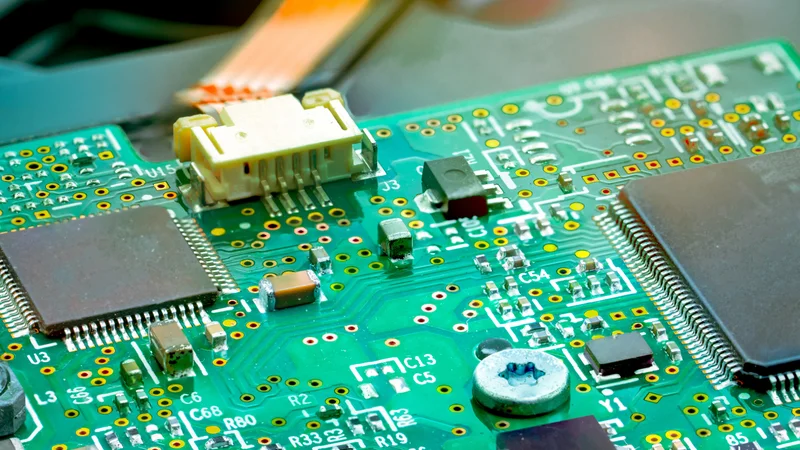
Today’s embedded systems engineering teams face an unprecedented challenge: software complexity is steadily escalating while development windows continue to shrink. With the rapid integration of advanced multicore architectures and stricter safety standards, traditional debugging workflows are no longer sufficient.
When complex, non-deterministic bugs arise late in the development cycle, engineering teams often waste critical weeks hunting for root causes. These delays directly threaten time-to-market goals and inflate project budgets.
To overcome these hurdles, relying on a unified, highly capable toolset is no longer a luxury—it is a technical necessity. This article explores how a holistic, end-to-end approach to debugging transforms these complex system challenges into a proactive engineering advantage.
PLS UDE – A Unified Environment for Embedded Tooling
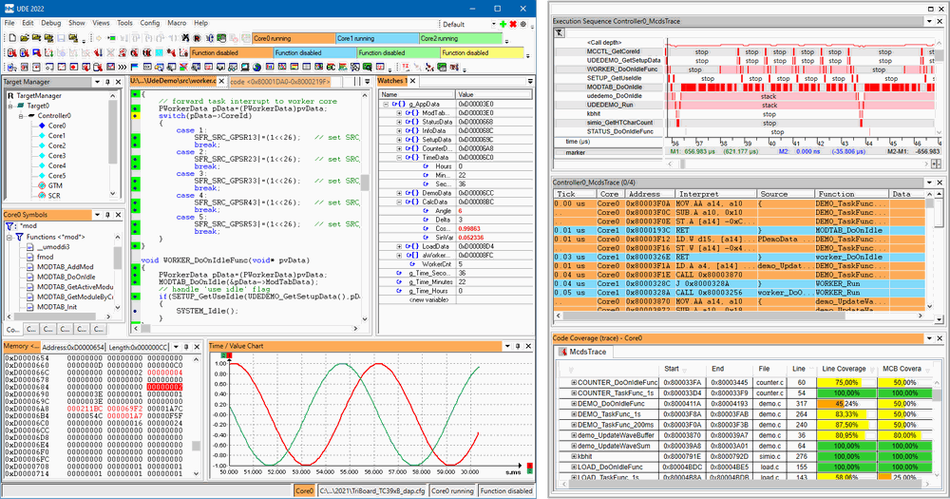
To address these development pressures, PLS Development Tools offers its UDE® Universal Debug Engine, a robust, cross-platform software environment engineered specifically for debugging, tracing, and testing deep embedded systems. Rather than forcing engineering teams to fragment their workflows across multiple utilities, UDE consolidates critical task management, high-level language support, and low-level system visibility into a singular, highly cohesive workspace.
This unified architecture provides software engineers with an intuitive interface capable of managing complex multicore architectures without adding operational friction. Key platform capabilities include expansive multi-core debugging, deep hardware trace analysis, and specialized validation functions for timing-critical applications.
By centralizing these complex tasks, PLS UDE minimizes tool-switching overhead and serves as a highly adaptable foundation that scales seamlessly across the entire product development lifecycle, ensuring critical system behaviors remain completely transparent.
Full Lifecycle Coverage – From Pre-Silicon to Production
The true utility of PLS UDE lies in its ability to support embedded software teams continuously throughout every phase of the development lifecycle. During the early pre-silicon stages, developers can begin building and verifying software using virtual prototyping environments.
Because UDE interfaces with these virtual models using the exact same user interface and control scripts as physical hardware, engineers can seamlessly transition to real-silicon targets once physical microcontrollers arrive. This elimination of tool-switching reduces training overhead and ensures that hardware bring-up does not stall software validation.
As projects progress into the test automation and continuous integration (CI) phases, UDE provides a highly flexible automation interface. Engineering teams can utilize virtually any scripting language to integrate advanced debugging, precise hardware tracing, and automated regression testing into their existing CI pipelines. While Python stands out as the most popular choice for modern orchestration due to its extensive library ecosystem, UDE’s open architecture ensures compatibility with existing legacy scripts and custom frameworks.
Finally, the platform extends its utility directly into production environments. By providing dedicated, highly reliable capabilities for electronic control unit (ECU) flashing directly on the manufacturing floor, UDE bridges the gap between software development and final deployment. This end-to-end lifecycle integration guarantees that the very same tool environment used to write and debug the initial code remains vital up to the point the finished product rolls off the assembly line.
Ecosystem Synergy - Broad MCU Support and Semiconductor Partnerships
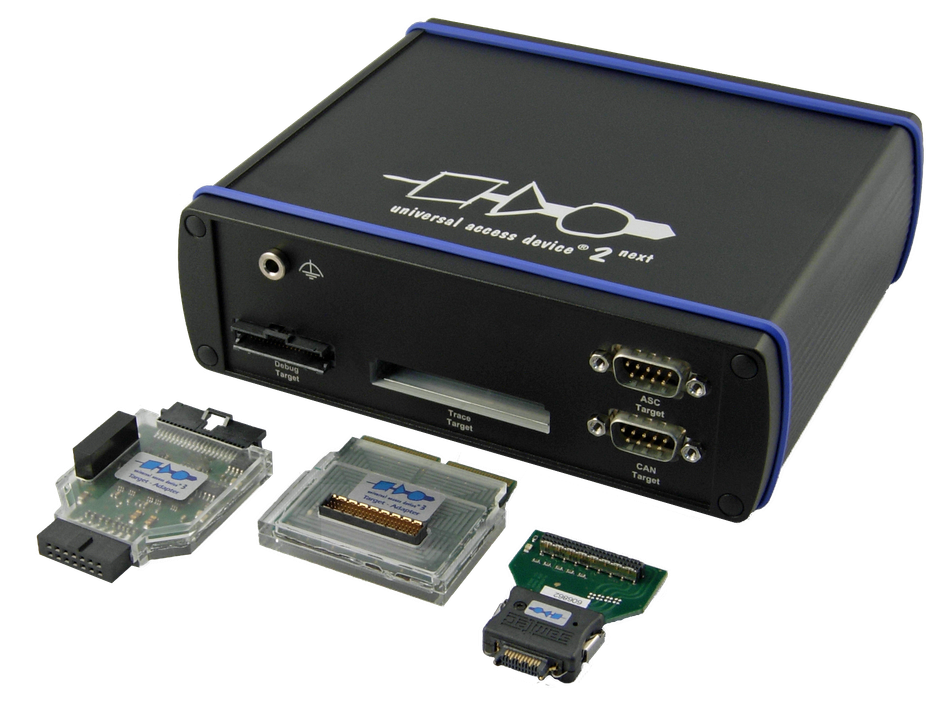
A major strength of PLS lies in its extensive ecosystem synergy, built upon long-standing, strategic collaborations with global semiconductor leaders. UDE provides robust, native support for advanced microcontrollers from industry pioneers, including Infineon, STMicroelectronics, NXP, Renesas, and TI, among others.
Rather than treating silicon architectures as generic targets, PLS works closely with these chipmakers during early design phases. This deep integration ensures that UDE can fully exploit specialized on-chip debug and trace hardware features as soon as they hit the market. For development teams, this translates into reliable tool stability, predictable behavior, and immediate access to complex peripheral insights.
Furthermore, PLS backs this platform with expert-level customer support deeply rooted in semiconductor architecture. This combined expertise allows engineering teams to quickly resolve intricate, low-level hardware-software interaction issues that generic, open-source or low-cost debugging tools simply cannot address.
Technical Previews – Booth Demos at Embedded World North America
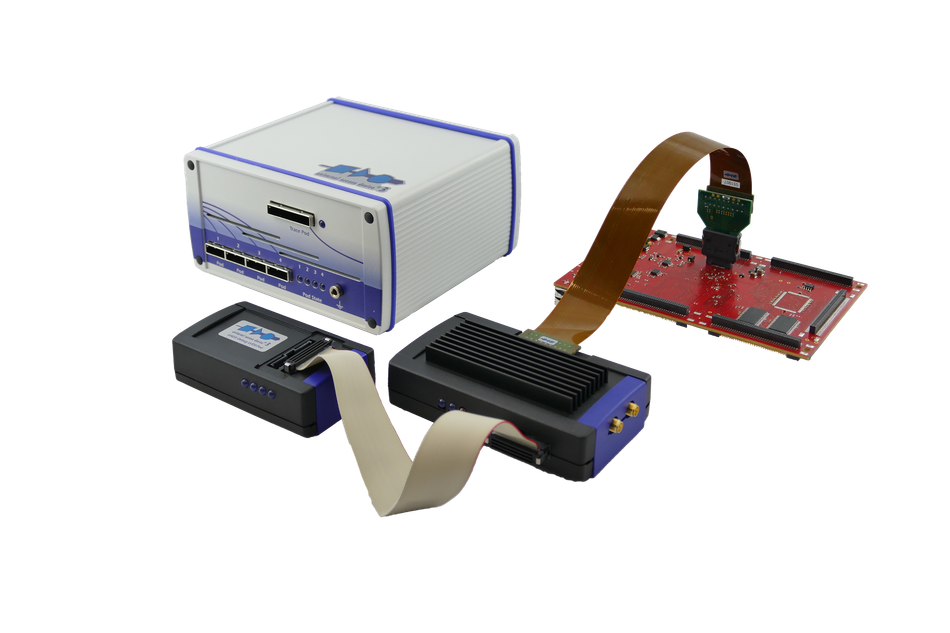
To demonstrate these capabilities in action, PLS will feature two distinct, interactive hardware demonstrations at Embedded World North America. The first setup focuses on the Infineon AURIX™ TC4x, showcasing advanced multi-core debugging alongside trace-based runtime observation. This demo highlights how engineers can perform deep profiling and operating system behavior analysis to accurately identify and resolve system performance bottlenecks.
The second showcase centers on the NXP S32K5, focusing on efficiency and debug automation. This preview demonstrates real-time debugging and test automation driven entirely by flexible Python scripts, proving how teams can orchestrate complex testing sequences without manual intervention. Together, these practical previews illustrate how UDE handles sophisticated, real-world silicon challenges, giving attendees a clear look at how to optimize their own development pipelines.
Check Out the UDE in Person at Embedded World North America 2026
Choosing a robust toolset transforms debugging from a time-consuming hurdle into a proactive engineering advantage. Visit PLS at embedded world North America from September 22–24 at booth #6507 to see UDE in action, explore these live demonstrations, and consult with their technical experts to resolve your specific embedded development and automation challenges.