




STM32 vs ESP32 compared on architecture, Wi-Fi, power, peripherals, toolchains, safety, and longevity. Current 2026 specs from vendor datasheets, plus a decision table.
Be the first to know.
Get our iot weekly email digest.
Tagged with
IoT
ORGANIZATIONS. SHAPING THE INDUSTRY.


Latest Posts


What a programmable automation controller is, how PACs are built and programmed, and how to choose between a PLC and a PAC.

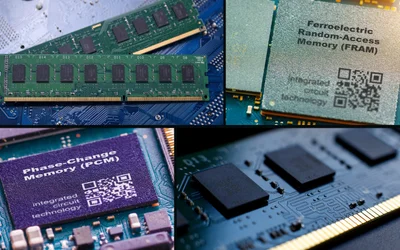
Compare memory technologies like SRAM, DRAM, Flash, MRAM, FeRAM, ReRAM, PCM, and EEPROM to understand their architectures and ideal engineering applications.

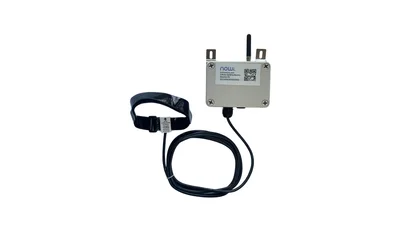
Real-time water monitoring and leak detection just got streamlined thanks to the nRF9151 – Nordic's low-power cellular IoT solution

4 minutes read

Explore how low-power sensor gateways enable reliable, long-range data collection for remote and distributed industrial IoT assets.

6 minutes read

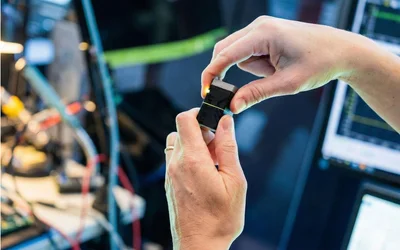
A compact, battery-powered sensing platform that wirelessly brings environmental and equipment-condition data from locations where traditional monitoring is difficult or impossible.

In this episode, we explore how researchers at Harvard developed an AI-powered wearable system that uses inexpensive motion sensors to estimate running forces that previously required specialized biomechanics labs.

15 minutes read

A Cat 1 bis platform that provides engineers with a practical path for long-term Global connectivity.


Discover five practical ways AI strengthens cybersecurity through threat detection, risk prioritization, automation, and adaptive defense.


Learn why zero trust architecture is the new cybersecurity standard for securing users, devices, applications, and connected systems.

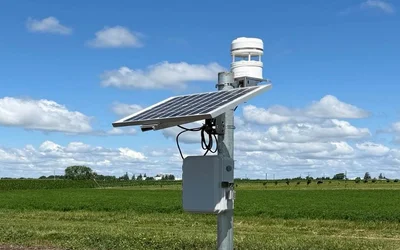
How Aratas Is Enabling Climate Smart Data Driven Farming


By harnessing the power and efficiency of Nordic's nRF54L15 SoC, Minew has unlocked the full potential of its MBM04 location relay beacon.
3 minutes read


The G+D Single Pane of Glass Delivers Secure, Remote, SGP.32-Driven IoT Management

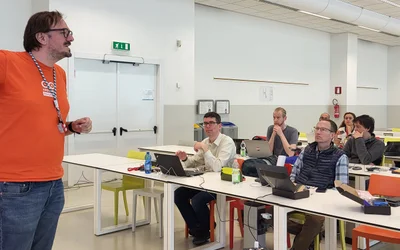
Inside the hands-on EchoGlow workshop, where makers trained and deployed on-device AI on the new Arduino® UNO™ Q at Hackaday Europe, 2026


Most IoT deployments don't fail because the hardware breaks. They fail because of decisions made in a conference room, about connectivity, security, and architecture, that nobody revisits until the damage is done.

7 minutes read