Featured
The role that material compatibility, adhesion, friction, and wear play in design of moulded parts
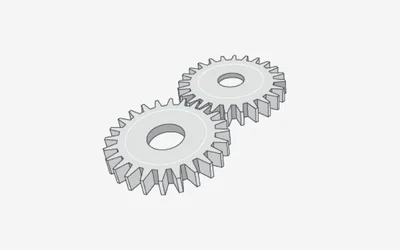
The role that material compatibility, adhesion, friction, and wear play in design of moulded parts
The role that material compatibility, adhesion, friction, and wear play in design of moulded parts
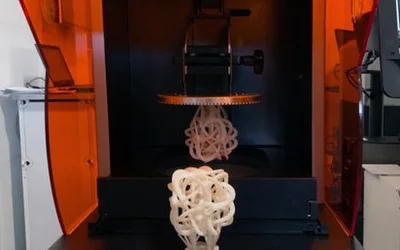
Created in the Tangible Media group at the MIT Media Lab, DefeXtiles is an attempt at high fidelity coupling of digital bits and physical atoms.
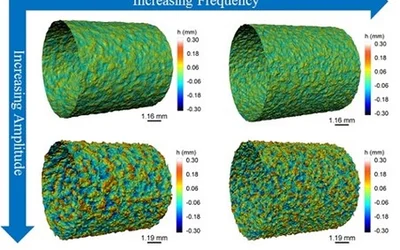
AM lattices often have a down skin surface roughness different from the up skin one. The workflow shown below enables the design of a virtual “CAD with Designed Surface”. The latter has a surface roughness closer to the actual AM lattice, measured using X-ray Computed Tomography.
Unlock the potential of aluminum die casting in modern engineering applications through advanced techniques.
12 minutes read.
16 minutes read.
18 minutes read.
14 minutes read.
8 minutes read.


Entertainment
The Next Byte Podcast is hosted by two young engineers - Daniel and Farbod - who select the most interesting tech/engineering cont...
165 Posts

University for science and technology
Freedom and individual responsibility, entrepreneurial spirit and open-min...
43 Posts
Discover how iAM Marketplace simplifies industrial additive manufacturing by unifying materials, validation services, and multi-brand technologies into one open ecosystem for efficient AM sourcing.
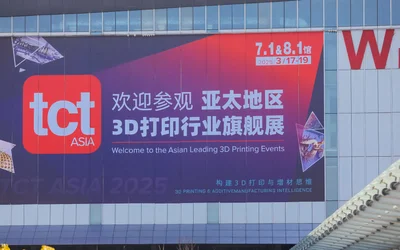
This article discusses what attendees can expect from TCT Asia 2026, including its conference format, focus areas, and the experts contributing to industry-specific discussions.
This article discusses the exhibitors, products, and industrial trends defining additive manufacturing across the Asia-Pacific region at TCT Asia 2026.
This article discusses how the Asia-Pacific region is advancing additive manufacturing and the role of TCT Asia as the leading 3D printing and additive manufacturing event in the Asia-Pacific.
Lightweighting materials play a crucial role in offering the potential for improved fuel efficiency, enhanced performance, and reduced emissions in the automotive industry. It is anticipated that the lighter and more efficient automotive materials and components will revolutionize the industry in the coming years.
The role that material compatibility, adhesion, friction, and wear play in design of moulded parts

6 minutes read
Created in the Tangible Media group at the MIT Media Lab, DefeXtiles is an attempt at high fidelity coupling of digital bits and physical atoms.
AM lattices often have a down skin surface roughness different from the up skin one. The workflow shown below enables the design of a virtual “CAD with Designed Surface”. The latter has a surface roughness closer to the actual AM lattice, measured using X-ray Computed Tomography.

2 minutes read
Stereolithography (SLA), Digital Light Processing (DLP), and Liquid Crystal Display (LCD) are 3 different types of 3D resin printing.

3 minutes read
As the world moves toward cleaner and sustainable sources of energy, one of the major challenges is converting efficiently between electrical and chemical energy.
Taking an initial idea to the final product can be daunting. We strive to help you understand, with clarity, all the steps required to get there.
Flexible 3D printing filaments open up a lot of possibilities for designers and engineers. Complex elastic forms can be produced easily in-house, then used in a variety of different ways – from prototyping flexible features to creating custom tools.

4 minutes read
At Ultimaker, we rigorously test our materials to provide the best possible results. Not only to ensure excellent mechanical and aesthetic properties, but also so that the preconfigured settings in our Ultimaker Cura software offer a hassle-free 3D printing experience.
3 minutes read
Which 3D printing material should you choose?
5 minutes read
3D printing with metal can produce visually and physically impressive results. Metal is ideal for creating customized parts that are heat, chemical, and impact resistant.
5 minutes read
UV resistance refers to a substance’s ability to resist ultraviolet (UV) light, including sunlight. UV light can cause discoloration or degradation in a final part.
3 minutes read
Let's take a look at some of the Material Science and Rheology behind 3D printed concrete. This type of concrete is unique because it needs to be strong enough to support the next layer being printed on top.
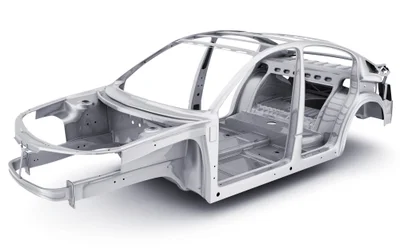
When it comes to designing cars, saving weight is a top priority. But there is more to it than just swapping steel for aluminum, or tearing out the back seats.
8 minutes read
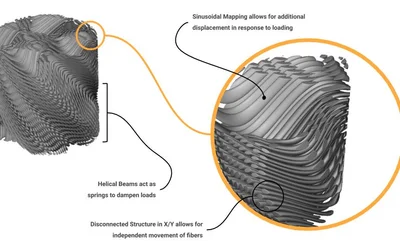
Taking a look at what nature can teach us about mitigating collisions. The third NFL Helmet Challenge DfAM eSeries Guest Blog
Everyone wants lighter parts, be it for quicker cars, cheaper air travel, or simply bragging rights at your next group bike ride. But it's often difficult to know where to start, with the endless combinations of materials, processes, and design tools available today.
6 minutes read