Featuredpodcast
In this episode, we discuss a new 3D printing approach by researchers at Columbia University that allows for desserts - specifically cheesecake - to be created using a 3D printer.

In this episode, we discuss a new 3D printing approach by researchers at Columbia University that allows for desserts - specifically cheesecake - to be created using a 3D printer.
In this episode, we discuss a new 3D printing approach by researchers at Columbia University that allows for desserts - specifically cheesecake - to be created using a 3D printer.
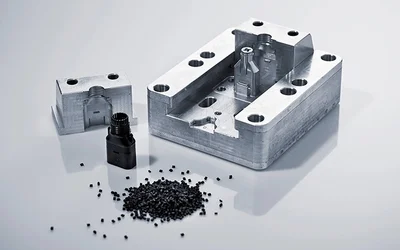
Injection molding is an invaluable process for creating plastic parts. This process is fast, cheap, and helps create vast volumes of identical objects. One of the most significant advantages of injection molding is the natural surface finish of molded parts. Even without any injection molding surface finish or post-processing treatment, molded parts have smooth surface finishes suitable for many end uses.
CNC plastic machining is a versatile manufacturing process known for its high precision and accuracy. Another draw of using CNC plastic machining is that it is compatible with a broad range of plastic materials like ABS and Nylon.
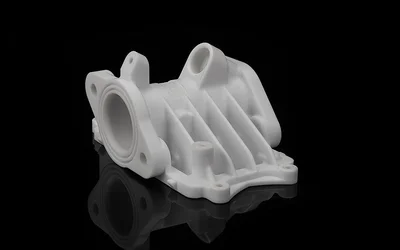
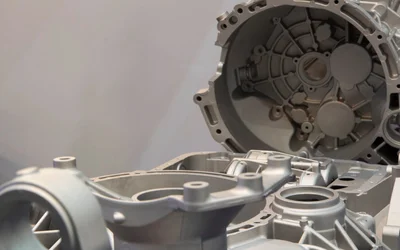
Unlock the potential of aluminum die casting in modern engineering applications through advanced techniques.
12 minutes read.
16 minutes read.
18 minutes read.
14 minutes read.
8 minutes read.


Entertainment
The Next Byte Podcast is hosted by two young engineers - Daniel and Farbod - who select the most interesting tech/engineering cont...
165 Posts

University for science and technology
Freedom and individual responsibility, entrepreneurial spirit and open-min...
43 Posts
Discover how iAM Marketplace simplifies industrial additive manufacturing by unifying materials, validation services, and multi-brand technologies into one open ecosystem for efficient AM sourcing.
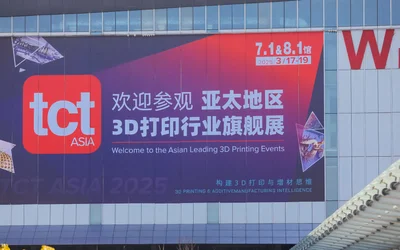
This article discusses what attendees can expect from TCT Asia 2026, including its conference format, focus areas, and the experts contributing to industry-specific discussions.
This article discusses the exhibitors, products, and industrial trends defining additive manufacturing across the Asia-Pacific region at TCT Asia 2026.
This article discusses how the Asia-Pacific region is advancing additive manufacturing and the role of TCT Asia as the leading 3D printing and additive manufacturing event in the Asia-Pacific.
Lightweighting materials play a crucial role in offering the potential for improved fuel efficiency, enhanced performance, and reduced emissions in the automotive industry. It is anticipated that the lighter and more efficient automotive materials and components will revolutionize the industry in the coming years.
In this episode, we discuss a new 3D printing approach by researchers at Columbia University that allows for desserts - specifically cheesecake - to be created using a 3D printer.

16 minutes read
Injection molding is an invaluable process for creating plastic parts. This process is fast, cheap, and helps create vast volumes of identical objects. One of the most significant advantages of injection molding is the natural surface finish of molded parts. Even without any injection molding surface finish or post-processing treatment, molded parts have smooth surface finishes suitable for many end uses.

5 minutes read
CNC plastic machining is a versatile manufacturing process known for its high precision and accuracy. Another draw of using CNC plastic machining is that it is compatible with a broad range of plastic materials like ABS and Nylon.
6 minutes read
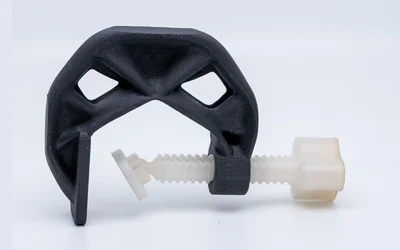
Creating cost-effective assemblies often means lower part counts, flexible yet simple product designs, and a look at alternative manufacturing technologies

5 minutes read
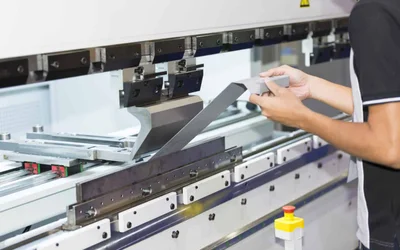
Sheet metal fabrication is the process of turning flat sheet metals, typically 0.15 mm to 10 mm thick, into parts and structures of various shapes. The stock materials for this process are flat metal sheets. Sheet metal fabrication is used to create objects such as enclosures, chassis, brackets, stamped features, curls, etc. It is also used for decorative purposes to make patterns in metal sheets.

4 minutes read
A recent study conducted by Thought3D has delved into the impact of filament drying methods on the mechanical strength of 3D printed nylon parts. The study compared the performance of parts printed with untreated nylon, oven-dried nylon, and nylon dried using Drywise's in-line drying technology.

5 minutes read
Exploring the Impact of Filament Moisture Content on Surface Aesthetics and Print Dimensions in FDM 3D Printing
5 minutes read
Steel is an alloy of iron and carbon and a basic part of industries such as construction and the military due to its strength, durability, customizability, and quick fabrication. Of the several types of steel available in the market, the alloy steel vs stainless steel comparison is one of the many comparisons common among manufacturers who want to work with steel.
13 minutes read
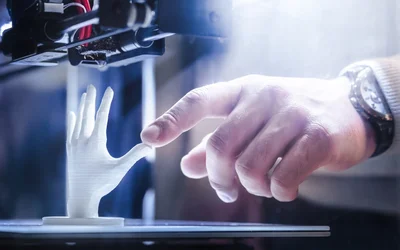
What is 3D printing? This article goes over the basics of 3D printing, otherwise known as additive manufacturing, covering its engineering principles and applications.
Lightweighting materials play a crucial role in offering the potential for improved fuel efficiency, enhanced performance, and reduced emissions in the automotive industry. It is anticipated that the lighter and more efficient automotive materials and components will revolutionize the industry in the coming years.

3 minutes read
The team’s new battery system could enable electric vehicles to run longer on a single charge and would be cheaper to manufacture — all while having a positive impact on the environment.

4 minutes read
In this article, we will delve into the diverse world of CNC materials. We will provide you with a comprehensive guide to selecting the right materials for CNC machining, including a detailed list of commonly used materials. Additionally, we will touch on some lesser-known materials that you may not have considered before.
14 minutes read
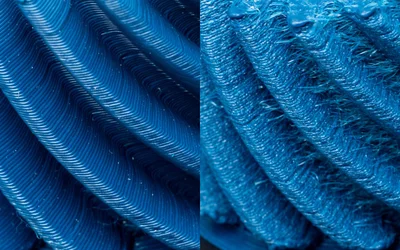
One of the perceived drawbacks of some 3D printing processes is that they produce parts that look and feel a bit rough. Vapour smoothing is a great way to remove these rough surface features on certain 3D-printed parts.
4 minutes read
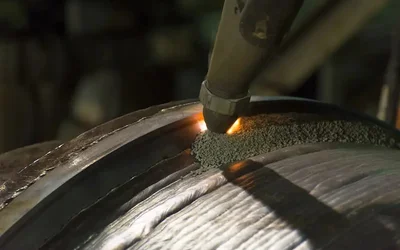
Submerged arc welding is a standard industrial process wherein an arc is formed between a workpiece and an electrode. It was invented in 1935 by the E. O. Paton Electric Welding Institute in Kyiv, Ukraine as a driving force behind the Second World War. One of the most notable applications of this invention is the T34 military tank.
This article explores the post-processing operations available for SLS and MJF printed parts, their application, and their pros and cons
3 minutes read