What is 3D printer filament made of? This guide examines polymers, additives, and composites, offering practical tips for digital design and hardware engineers.
Discover how to print with high-performance filaments like PEEK, PEKK, and ULTEM. Learn about their properties, hardware needs, challenges, and best practices for industrial-grade 3D printing.
Explore how 3D-Fuel's Pro PCTG filament advances additive manufacturing, offering higher impact strength, improved environmental resistance, and reliable printability for functional and industrial 3D printing applications.
3devo's next-generation desktop extruder combines industrial precision with lab-scale simplicity enabling more controlled, higher-performance and data-driven 3D printing material workflows.
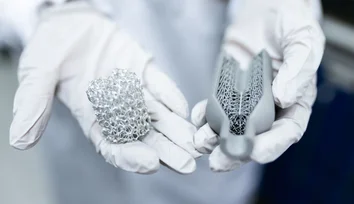
Lightweighting materials play a crucial role in offering the potential for improved fuel efficiency, enhanced performance, and reduced emissions in the automotive industry. It is anticipated that the lighter and more efficient automotive materials and components will revolutionize the industry in the coming years.
The glass transition temperature (Tg) is a fundamental property that allows us to predict, understand and manipulate the performance of polymer materials.
In the automotive industry, the focus is on seamlessly integrating advanced technologies such as touchscreens, digital dashboards and driver assistance systems into the interior without compromising driving comfort or aesthetics.
Nexa3D’s patented Lubricant Sublayer Photo-curing (LSPc) technology can print at up to 24 vertical centimeters per hour. That means more prototypes in less time.
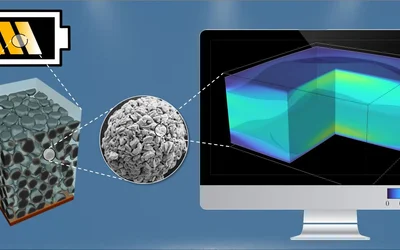
Energy materials facilitate the conversion or transmission of energy. They also play an essential role in how we store energy, reduce power consumption, and develop cleaner, efficient energy solutions.
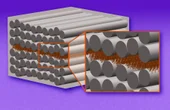
To enhance the applicability of thermoplastics across various industries, reinforcing additives are added to improve properties such as mechanical strength, UV resistance, and conductivity, contributing to the material's overall performance.
This chapter excerpt discusses thermoplastic processing in engineering, highlighting challenges like precise parameter control and moisture sensitivity while emphasizing methods like injection molding, extrusion, and additive manufacturing for shaping thermoplastics to meet diverse needs.
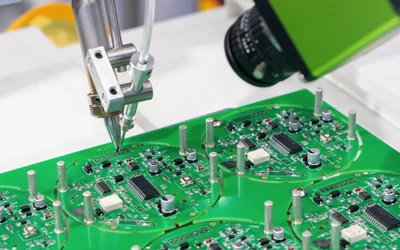
In the world of printed electronics, surface energy often comes up around the interactions of materials, specifically when we’re printing conductive inks onto various surfaces (substrates).
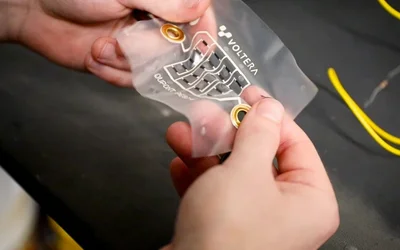
The COVID-19 pandemic and advancements in sensor technology have led to the widespread adoption of wearable health monitoring devices, particularly for telemedicine, to facilitate remote patient monitoring.
This chapter excerpt introduced an overview of the properties of different classes of thermoplastic materials, with special attention to engineering and advanced thermoplastics.