Manufacturing


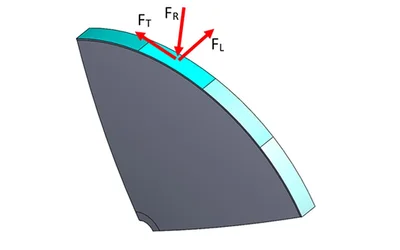
This is the first of a series of blogs (and presentations) focusing on Design for Additive Manufacturing in the context of Industrial Design. This blog explores topology optimization for a bike wheel focusing on three mutually perpendicular loads: radial loads, tangential loads, and lateral loads.
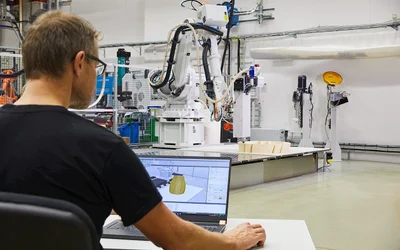
The cloud accelerates innovation by enabling reducing the need for investment through pay-as-you-go models and increasing collaborative design opportunities.
Engineers Wiki. Most Asked Questions.
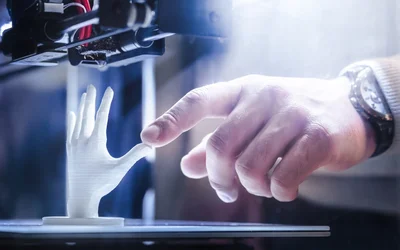
What is 3D printing? This article goes over the basics of 3D printing, otherwise known as additive manufacturing, covering its engineering principles and applications.
CNC Turning: Process, Operations, Machines, and Applications
14 minutes read.
PLC Programming: Languages, Scan Cycles, and Working Ladder Logic
17 minutes read.
GD&T Explained: Symbols, Datums, and Tolerances
11 minutes read.
What Is a PLC? A Complete Guide to Programmable Logic Controllers
18 minutes read.
True Position in GD&T: Formula, Tolerance Zones, and MMC
13 minutes read.
H7 Tolerance Explained: ISO 286 Hole Tolerance Charts
10 minutes read.
ORGANIZATIONS. SHAPING THE INDUSTRY.


The Next Byte
Entertainment
The Next Byte Podcast is hosted by two young engineers - Daniel and Farbod - who select the most interesting tech/engineering cont...
165 Posts



TAGGED WITH 3d printing

With just one month before the South Asian 3D printing trade show, we look at the events and showcases visitors will be able to take part in.

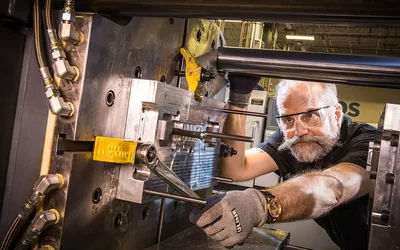
Lean manufacturing focuses on creating more value with less waste. Pioneered by Toyota in the 1950s, this approach helps businesses streamline processes, improve efficiency, and eliminate activities that don't add value to the final product.
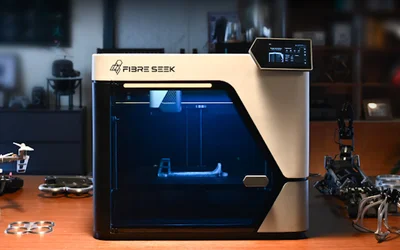
Following a successful crowdfunding campaign, the FibreSeeker 3 from FibreSeek is bringing continuous carbon fiber printing to a new audience.
ADDITIV Medical 2026 will bring together more than 500 medical professionals
TAGGED WITH digital fabrication
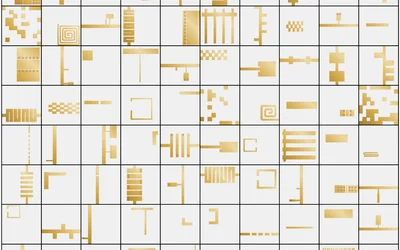
The data problem


From leading experts at the CDFAM Computational Design Symposium
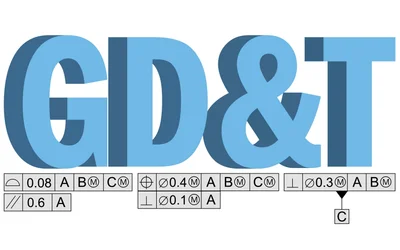
GD&T is the symbolic language engineers use to state exactly how much a part can vary and still work. This guide covers the basics.
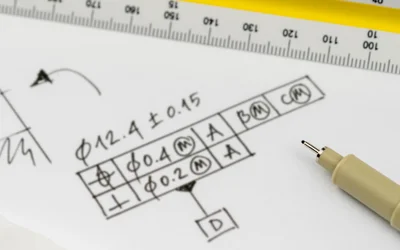
This guide covers the true position formula, how to read the feature control frame, and how MMC and LMC generate bonus tolerance.
Latest Posts
Discover the story of Fabien Bruning.

3 minutes read
This is the first of a series of blogs (and presentations) focusing on Design for Additive Manufacturing in the context of Industrial Design. This blog explores topology optimization for a bike wheel focusing on three mutually perpendicular loads: radial loads, tangential loads, and lateral loads.

3 minutes read
The cloud accelerates innovation by enabling reducing the need for investment through pay-as-you-go models and increasing collaborative design opportunities.

5 minutes read
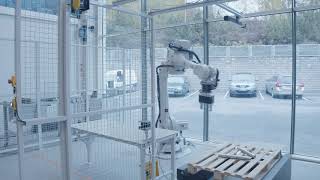
University provides testing and piloting services, training and RDI activities with PhoXi 3D Scanner
The JAMK University of Applied Sciences provides robotics testing, training, and other activities for external companies that are interested in bin picking and 3D machine vision solutions tests. The applications have special requirements and PhoXi 3D Scanner suites for a wide range of them.

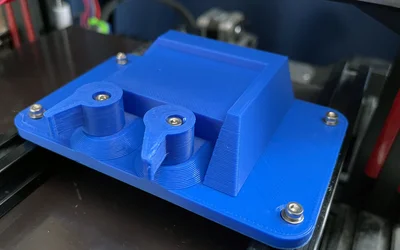
Jigs, grips and fixtures are used in manufacturing to ensure that component parts can be produced accurately over many cycles or iterations. The jig supports and holds a workpiece in place, while guiding a machining or cutting tool as it carries out a specific task.


Farmshelf is a fully autonomous system allowing to grow food on-site.

4 minutes read
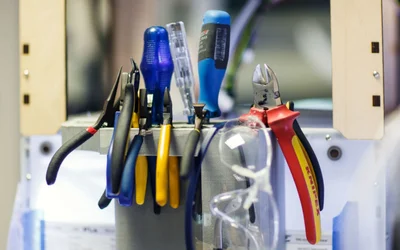
To get the best from your 3D printer, you need to be armed with the right tools for the job. From removing support material to improving build plate adhesion, here’s a list of must-have tools, all designed to make your life easier.
6 minutes read
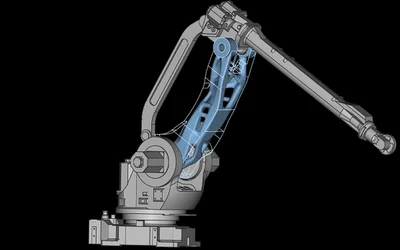
Generative Design is getting a lot of attention — but what is it exactly? Here is why the current Generative Design concepts fall short and how nTop’s alternative approach enables you to unlock its full potential today.
7 minutes read
The InspirON Sustainability Training Hackathon is an online training event that will comprise training seminars conducted by a number of industry experts.

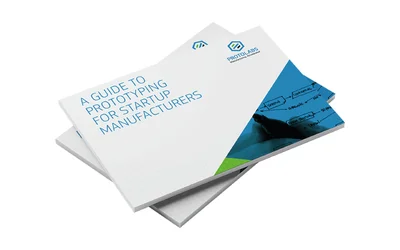
For a startup manufacturer getting that first product right is crucial for your reputation and future sales. First impressions really do count when you are building up your company and brand equity.

7 minutes read

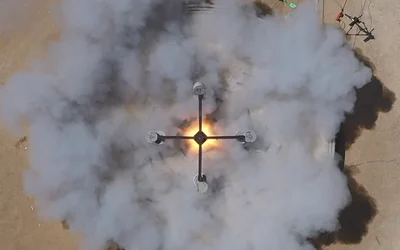
A team of students from colleges and universities across the United States – members of the Artemis Generation – tested a 3D printed launch and landing pad to see how it holds up to a hot rocket engine March 6 at Camp Swift in Bastrop, Texas.


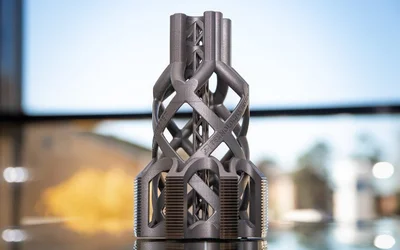
At the end of 2020, the Danish Technological Institute (DTI) and nTopology joined forces in a new collaboration about topology optimization.
2 minutes read
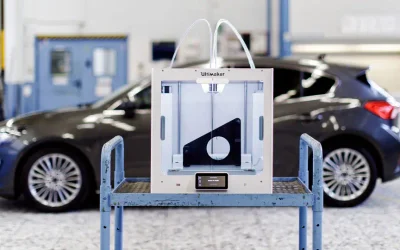
Chemical-resistant materials are vital for many 3D printing applications. Corrosive chemicals can’t permeate their surface or cause degradation, making them ideal for industrial or end-use parts.
4 minutes read
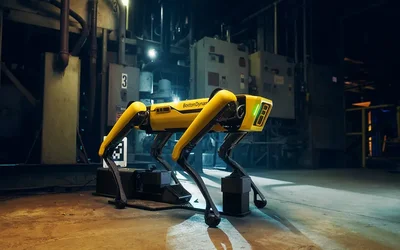
In this episode, we talk about Nissan’s new 50% thermally efficient internal combustion engine, the first 3D printed home for sale in the United States, and how NYPD is adding Boston Dynamic Spot robots to the police force.


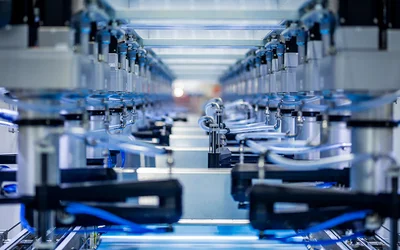
By rolling out a plan to 3D print in multiple locations within your organization – such as warehouses, factories, or assembly lines – you’ll soon enjoy a wealth of benefits, from increased productivity to cost savings.
3 minutes read