Featuredcase study
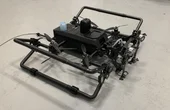
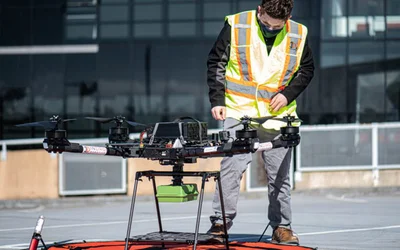
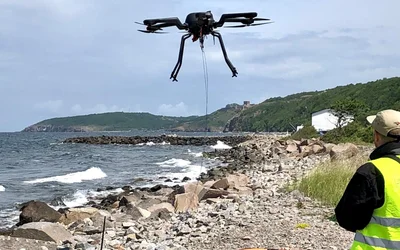
Earlier this year, SKYRON was the first flying robot to perform contact-based NDT inspection on an offshore platform.
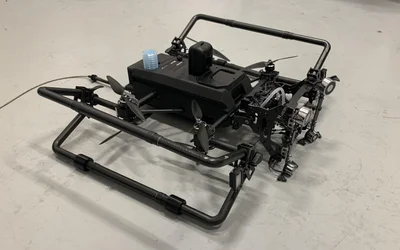
Earlier this year, SKYRON was the first flying robot to perform contact-based NDT inspection on an offshore platform.
Earlier this year, SKYRON was the first flying robot to perform contact-based NDT inspection on an offshore platform.
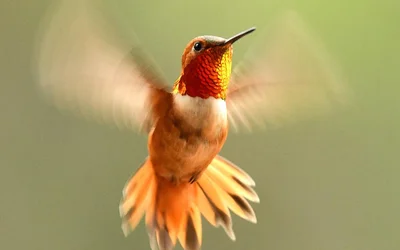
Hummingbirds have extreme aerial agility and flight forms, which is why many drones and other aerial vehicles are designed to mimic hummingbird movement. Using a novel modeling method, researchers gained new insights into how hummingbirds produce wing movement, which could lead to design improvements in flying robots.
End-to-end recycling solutions deliver the benefits of carbon fiber composites with a more circular approach.
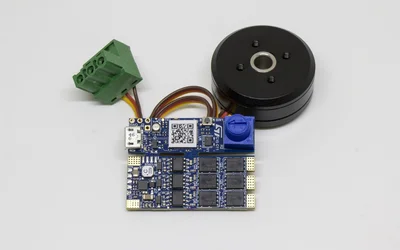
Electronic power stage and control choices for brushless DC motors.
16 minutes read.

Robotics and Drones
We empower R&D by providing the computational power, ROS packages, payloads & functionality for your unique use case.
14 Posts

Drone Fleet Management Software
Cloud Ground Control is a cloud based command and control solution for oper...
7 Posts

Appliances, Electrical, and Electronics Manufacturing
We produce high-end electric propulsion systems for the most demanding UAV-...
Learn why growing hardware teams slow down as they scale, and how aligned workflows, parallel collaboration, and real-time design visibility restore speed and momentum.
How standardized electronic identification will enable high-volume, complex drone operations.
In this episode, we explore how the mechanics of bird wings are inspiring new approaches to prevent airplanes from stalling and learn how bio-mimetic designs from nature are paving the way for innovations in aviation, enhancing stability and safety for future flights.
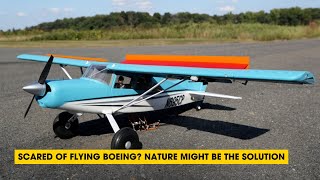
Taking inspiration from bird feathers, Princeton engineers have found that adding rows of flaps to a remote-controlled aircraft’s wings improves flight performance and helps prevent stalling, a condition that can jeopardize a plane’s ability to stay aloft.
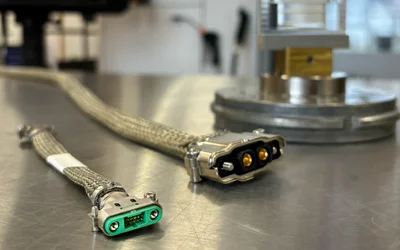
How does connector design influence UAV performance in demanding environments? Harwin explores high-reliability connectors for next-generation UAVs.
An interview with Ryan Smart, VP of Product at Harwin, discussing the challenges of shielding in high-reliability connectors, high-current design trends, and the hybrid power-and-signal connector layouts.
Adding Intelligence to Radar with the BrainChip Real-Time Micro-Doppler Classification
CBC Interview: InDro Robotics CEO Philip Reece on the New Federal Budget & Technology
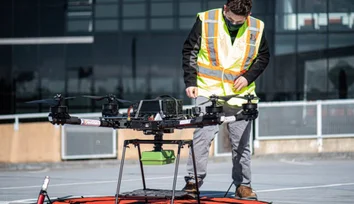
Earlier this year, SKYRON was the first flying robot to perform contact-based NDT inspection on an offshore platform.

2 minutes read
Hummingbirds have extreme aerial agility and flight forms, which is why many drones and other aerial vehicles are designed to mimic hummingbird movement. Using a novel modeling method, researchers gained new insights into how hummingbirds produce wing movement, which could lead to design improvements in flying robots.

3 minutes read
End-to-end recycling solutions deliver the benefits of carbon fiber composites with a more circular approach.
In this episode, we talk about how a team from TUM has developed a system composed of collaborative drones that can create structure in remote and/or disastrous areas.

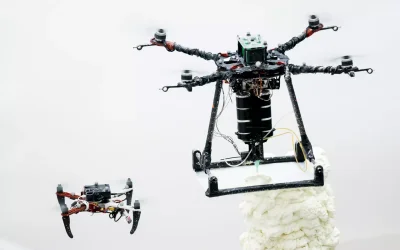
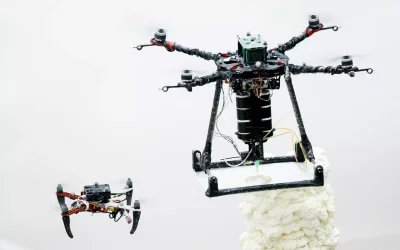
An international team of researchers have created a fleet of bee-inspired flying 3D printers for building and repairing structures in-flight.
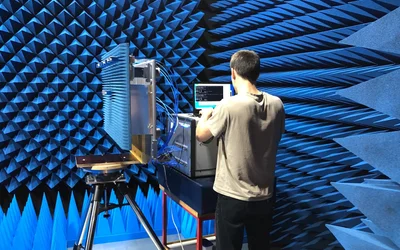
Researchers from DTU Space have developed a new type of high-resolution radar that looks in many directions concurrently.

4 minutes read
For real-time geo-registration, Oversight uses a physical engine and digital twins to make image matching algorithms more agnostic to variations.

2 minutes read
Flightmare is an open-source simulator for quadrotors that moves away from rigid paradigms and proposes a flexible modular structure that empowers the users or automated algorithms to fine-tune the simulator to the task at hand.
In this episode, we talk about how researchers are developing tools to keep us safe using technology that ranges from ultra-heat resistant tents for fighters to drones capable of discovering hidden landmines.
DTU spinout solves mine clearance tasks for the Danish Defence and the offshore wind turbine industry.
3 minutes read
Monthly robotics news blog. Discover the latest products, research, tutorials, and security news for robotics.

6 minutes read
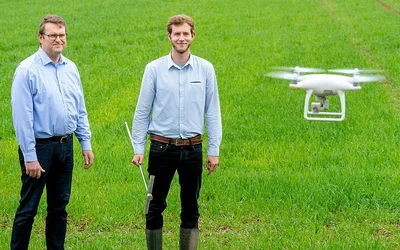
Using smart sensor and measurement techniques to make farming more efficient and sustainable is the goal of a team of researchers at TUM.
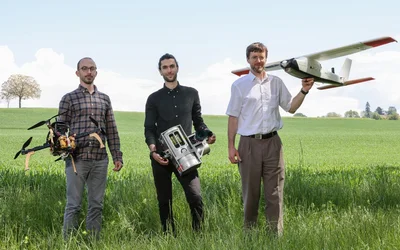
Engineers at EPFL and the University of Geneva believe they hold the key to automated drone mapping. By combining artificial intelligence with a new algorithm, their method promises to considerably reduce the time and resources needed to accurately scan complex landscapes.
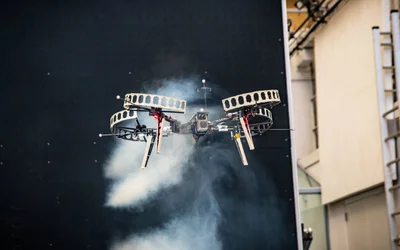
To be truly useful, drones—that is, autonomous flying vehicles—will need to learn to navigate real-world weather and wind conditions.

4 minutes read
In this episode, we talk about how an app leveraging 3 sets of machine learning algorithms aims to reduce waste and emissions by creating 3D models of feet and the hoverfly inspired AI that will be keeping airfields safe from small drones via acoustic mapping and filtering.