Featured
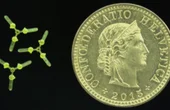
EPFL engineers have designed acoustic cavities that convert sound waves into thrust, propelling small robots and ultralight aerial vehicles without on-board actuators or electronics.
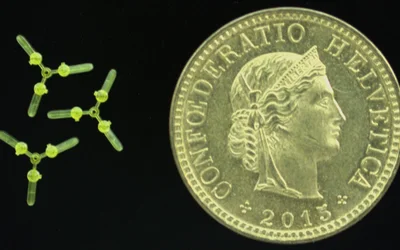
EPFL engineers have designed acoustic cavities that convert sound waves into thrust, propelling small robots and ultralight aerial vehicles without on-board actuators or electronics.
EPFL engineers have designed acoustic cavities that convert sound waves into thrust, propelling small robots and ultralight aerial vehicles without on-board actuators or electronics.
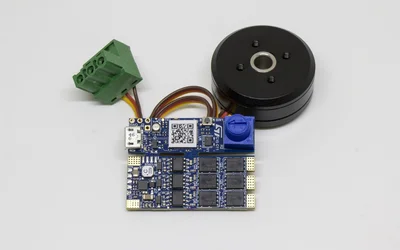
Electronic power stage and control choices for brushless DC motors.
HEAD acoustics helps aerospace teams move from complex rotor noise to actionable, human-centered design decisions.
Electronic power stage and control choices for brushless DC motors.
16 minutes read.

Robotics and Drones
We empower R&D by providing the computational power, ROS packages, payloads & functionality for your unique use case.
14 Posts

Drone Fleet Management Software
Cloud Ground Control is a cloud based command and control solution for oper...
7 Posts

Appliances, Electrical, and Electronics Manufacturing
We produce high-end electric propulsion systems for the most demanding UAV-...
Learn why growing hardware teams slow down as they scale, and how aligned workflows, parallel collaboration, and real-time design visibility restore speed and momentum.
How standardized electronic identification will enable high-volume, complex drone operations.
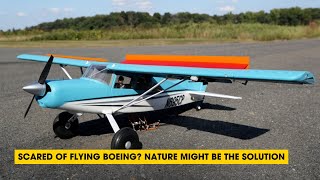
In this episode, we explore how the mechanics of bird wings are inspiring new approaches to prevent airplanes from stalling and learn how bio-mimetic designs from nature are paving the way for innovations in aviation, enhancing stability and safety for future flights.
Taking inspiration from bird feathers, Princeton engineers have found that adding rows of flaps to a remote-controlled aircraft’s wings improves flight performance and helps prevent stalling, a condition that can jeopardize a plane’s ability to stay aloft.
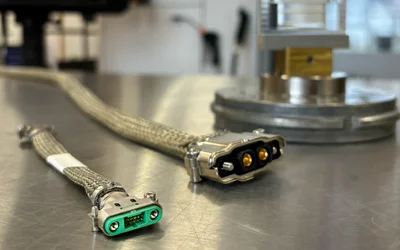
How does connector design influence UAV performance in demanding environments? Harwin explores high-reliability connectors for next-generation UAVs.
An interview with Ryan Smart, VP of Product at Harwin, discussing the challenges of shielding in high-reliability connectors, high-current design trends, and the hybrid power-and-signal connector layouts.
Adding Intelligence to Radar with the BrainChip Real-Time Micro-Doppler Classification
CBC Interview: InDro Robotics CEO Philip Reece on the New Federal Budget & Technology
EPFL engineers have designed acoustic cavities that convert sound waves into thrust, propelling small robots and ultralight aerial vehicles without on-board actuators or electronics.
Electronic power stage and control choices for brushless DC motors.
HEAD acoustics helps aerospace teams move from complex rotor noise to actionable, human-centered design decisions.
June 25, 2026 at 08:00 PM Central European Summer Time
How does connector design influence UAV performance in demanding environments? Harwin explores high-reliability connectors for next-generation UAVs.
An interview with Ryan Smart, VP of Product at Harwin, discussing the challenges of shielding in high-reliability connectors, high-current design trends, and the hybrid power-and-signal connector layouts.
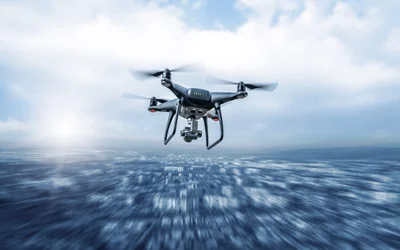
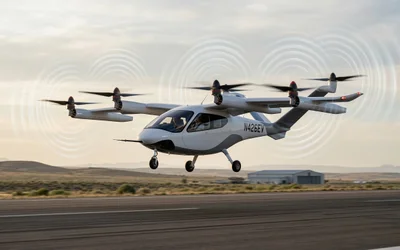
The aerospace industry's pivot toward drones and electric air taxis has created an urgent noise problem, and the measurement science to address it is migrating directly from automotive NVH labs.
Adding Intelligence to Radar with the BrainChip Real-Time Micro-Doppler Classification
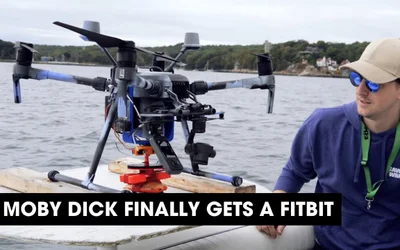
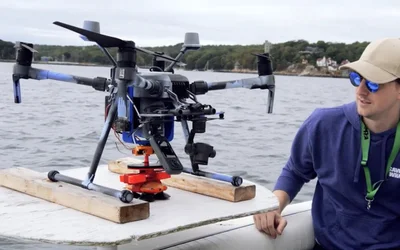
In this episode, we explore how Ocean Alliance uses 3D-printed drone systems to deploy wearable tags on whales, unlocking continuous data on how these giants move, dive, and live underwater.

13 minutes read
Learn why growing hardware teams slow down as they scale, and how aligned workflows, parallel collaboration, and real-time design visibility restore speed and momentum.
CBC Interview: InDro Robotics CEO Philip Reece on the New Federal Budget & Technology

4 minutes read
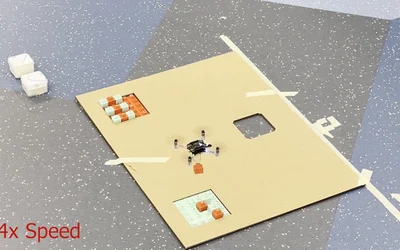
Advancements in aerial additive manufacturing from the lab of Amir Barati Farimani could one day enable drones to construct remote infrastructure, maintain cities, and support space exploration.

Using a fleet of printers including an UltiMaker S3 and a MakerBot Method X, the team at Ocean Alliance was able to design, prototype, and build a sophisticated drone-based tagging system from the ground up.

3 minutes read
How standardized electronic identification will enable high-volume, complex drone operations.
4 minutes read
The Companies and Concepts Redefining Tomorrow's Industries
5 minutes read