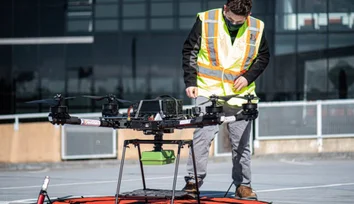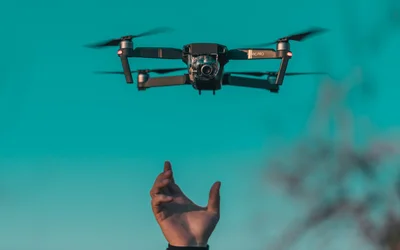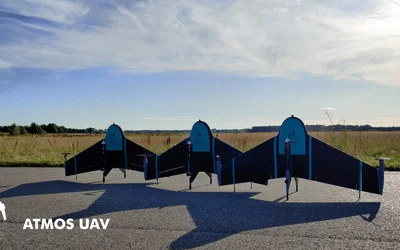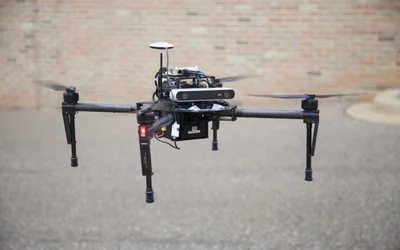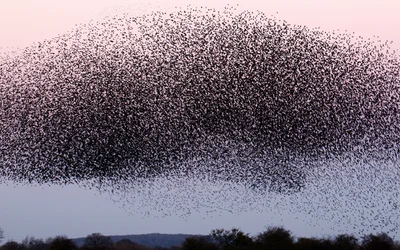
Engineers at EPFL have developed a predictive control model that allows swarms of drones to fly in cluttered environments quickly and safely. It works by enabling individual drones to predict their own behavior and that of their neighbors in the swarm.
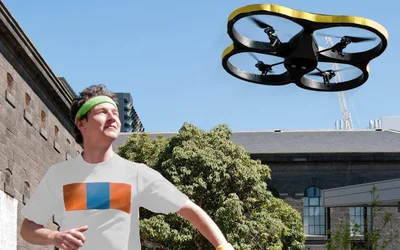
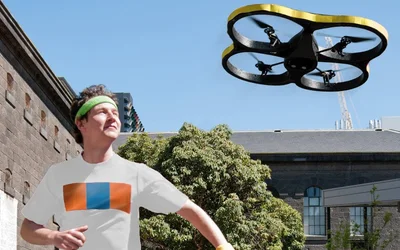
In this episode, we talk about Charm Industrial’s novel approach for carbon offsetting, a concept fitness drone from Hongik University that could be the first to commercialize, and a joint effort between MIT and US Navy to understand how sound waves are altered by water conditions in the North Pole.
Learn why growing hardware teams slow down as they scale, and how aligned workflows, parallel collaboration, and real-time design visibility restore speed and momentum.
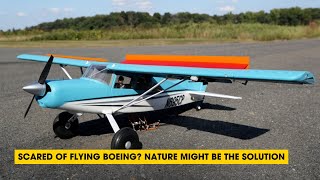
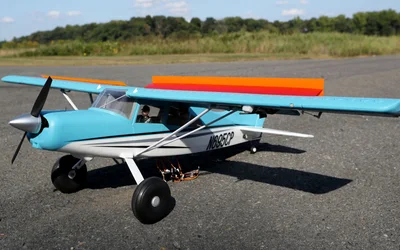
In this episode, we explore how the mechanics of bird wings are inspiring new approaches to prevent airplanes from stalling and learn how bio-mimetic designs from nature are paving the way for innovations in aviation, enhancing stability and safety for future flights.
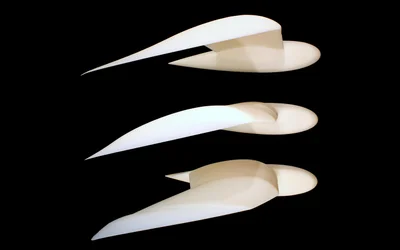
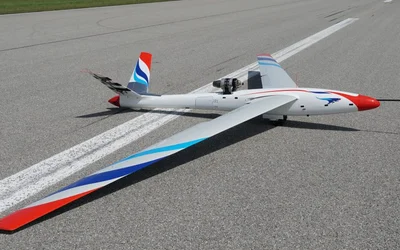
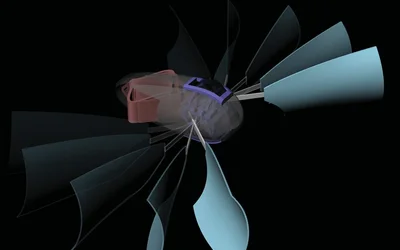
Taking inspiration from bird feathers, Princeton engineers have found that adding rows of flaps to a remote-controlled aircraft’s wings improves flight performance and helps prevent stalling, a condition that can jeopardize a plane’s ability to stay aloft.
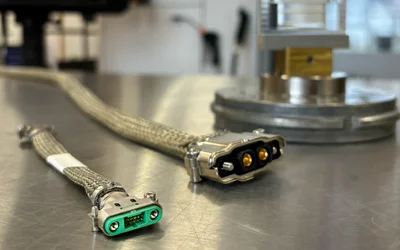
An interview with Ryan Smart, VP of Product at Harwin, discussing the challenges of shielding in high-reliability connectors, high-current design trends, and the hybrid power-and-signal connector layouts.
Engineers at EPFL have developed a predictive control model that allows swarms of drones to fly in cluttered environments quickly and safely. It works by enabling individual drones to predict their own behavior and that of their neighbors in the swarm.
In this episode, we talk about Charm Industrial’s novel approach for carbon offsetting, a concept fitness drone from Hongik University that could be the first to commercialize, and a joint effort between MIT and US Navy to understand how sound waves are altered by water conditions in the North Pole.
In this episode, we talk about Ford and HP’s partnership to enable a more sustainable manufacturing process, NASA’s Ingenuity drone, and a joint effort to prevent fall-related deaths by creating snake inspired no slip shoes.
The Chair for Aerospace Systems is an integrating chair dealing with the aircraft in its entirety and the integration within civil and/or military aviation.
Aerospace and government defense program users have unique needs when it comes to FPGA (field-programmable gate array) devices, both in terms of security and in terms of long-term deployments. Increasing use of unmanned systems and other autonomous assets has created new security challenges.

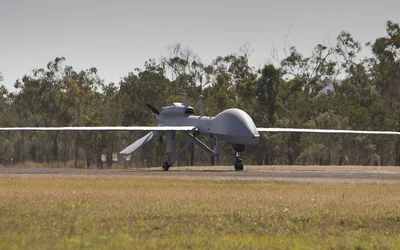
Robots are gradually permeating into more and more areas of our daily life: smart cars are at work on storage facilities and production sites, they test delivery services.
Drones are being used for a growing number of purposes. Their designs are ever more efficient, and techniques for flying them are being further refined all the time.
Engineers have developed robots capable of self-propulsion without using any motors, servos, or power supply. Instead, these first-of-their-kind devices paddle through water as the material they are constructed from deforms with temperature changes.
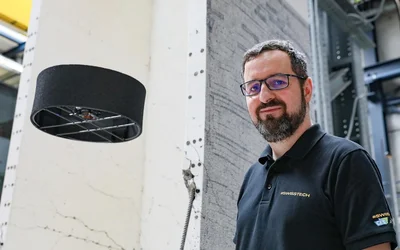
Flybotix has developed a novel drone with just two propellers and an advanced stabilization system that allow it to fly for twice as long as conventional models. That fact, together with its small size, makes it perfect for inspecting hard-to-reach parts of industrial facilities such as ducts.