Featured
Brian de Bart, Team Lead Automotive System Innovation at NXP explains about chips and AI in automotive industry as part of a series from the founding partners of the AI Innovation Center at High Tech Campus Eindhoven.

Brian de Bart, Team Lead Automotive System Innovation at NXP explains about chips and AI in automotive industry as part of a series from the founding partners of the AI Innovation Center at High Tech Campus Eindhoven.
Brian de Bart, Team Lead Automotive System Innovation at NXP explains about chips and AI in automotive industry as part of a series from the founding partners of the AI Innovation Center at High Tech Campus Eindhoven.
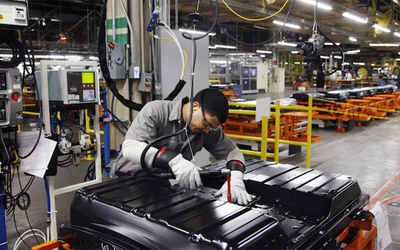
Article 4 of the Power Conversion Series. Shunt resistors combined with a current-sense module can deliver highly accurate battery management systems in high-energy applications.
The guide to the technologies that can lower the environmental footprint of transport.
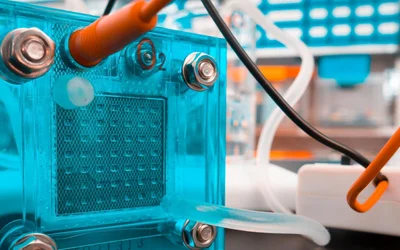
A PEM fuel cell converts hydrogen and oxygen into electricity at around 80 degrees C, with water and heat as the only products. This guide covers electrochemistry, layer materials, efficiency limits, and cost and durability to help you understand the practical applications of this technology.
14 minutes read.
14 minutes read.
12 minutes read.
13 minutes read.
15 minutes read.
14 minutes read.

Electronics
Mouser Electronics is a worldwide leading authorized distributor of semiconductors and electronic components.
219 Posts

Electrical and Electronic Manufacturing
Drop-in power cords that improve battery performance.
18 Posts
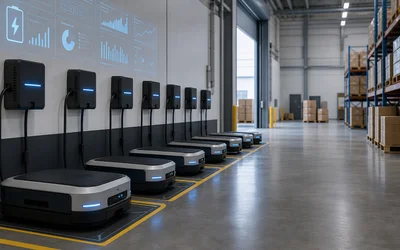
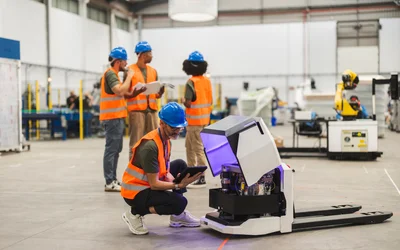
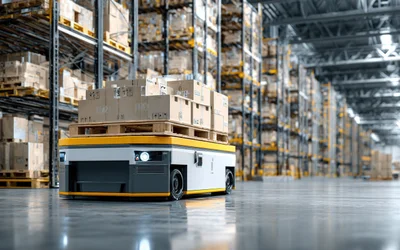
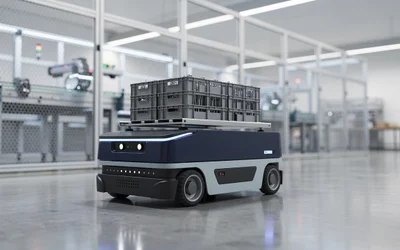
Engineering AGVs for consistent performance across large-scale deployments.
Engineering motion systems for availability, serviceability, and lifecycle cost.
Why Reliable Motion Systems Matter in Modern Warehouse Automation
As robotics shifts from innovation showcases to real-world deployment, motion systems play a vital role in this next stage of robotics.
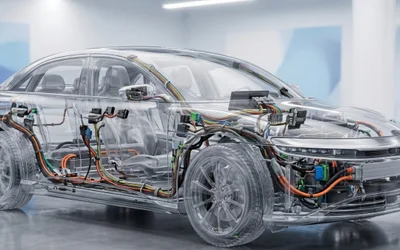
The connectivity foundation for advanced driver assistance systems, software-defined vehicles, zonal architectures and electrified powertrains.
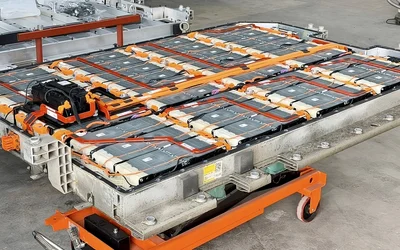
Engineering principles, BTMS architectures, and design tradeoffs.
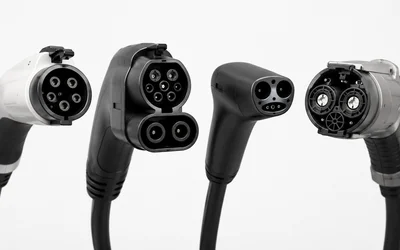
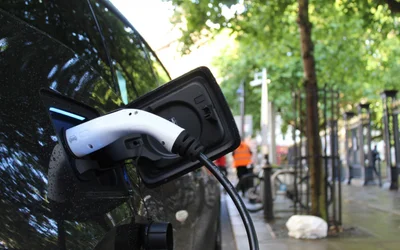
This article explains EV charging connector types, including AC, CCS, Tesla, CHAdeMO, GB/T, and NACS, with regional compatibility.
This article details EV charging levels, covering AC charging, DC fast charging, power delivery, infrastructure needs, and key trade-offs.
Brian de Bart, Team Lead Automotive System Innovation at NXP explains about chips and AI in automotive industry as part of a series from the founding partners of the AI Innovation Center at High Tech Campus Eindhoven.

5 minutes read
Article 4 of the Power Conversion Series. Shunt resistors combined with a current-sense module can deliver highly accurate battery management systems in high-energy applications.

6 minutes read
The guide to the technologies that can lower the environmental footprint of transport.
Article 3 of the Power Conversion Series. Battery Management Systems (BMS) monitor essential safety factors in high-energy battery packs.
8 minutes read
Integrated photonics offers promising solutions in a range of automotive applications.

5 minutes read
In this episode, we talk about how Neuralink wants to put chips in people’s heads, how Alauda wants to bring about the age of flying electric vehicles with their Airspeeder, and a joint effort to consider the carbon footprint of high performance processors.

Airspeeder is the world's first electric flying racing car series which will take to the skies across the globe in 2021.

CEO Matt Pearson takes Goodwood SpeedWeek fans inside the Airspeeder factory where we make flying cars a reality.
2 minutes read
The Vehicle Performance Model, or the VPM, is our main tool to develop the cleanest car on the market, Lightyear One.

3 minutes read
In this episode, we talk about how a research team led by MIT has found a way to create functional textiles from polyethylene, rumors surrounding the Apple car, and EPFL’s newest iteration of a retinal implant.
Apple's automotive project has been under wraps since 2014 but the public is getting some much needed insight as the tech giant discusses production plans with potential partners
By studying different types of electric cars, batteries, charging profiles, and habits of users, scientist have suggested a rational model for charging electric vehicles with minimal load on the electric grid.

5 minutes read
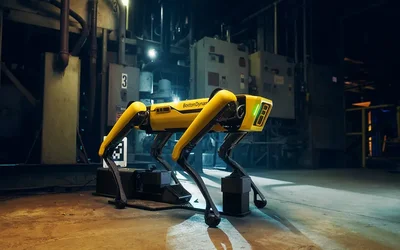
In this episode, we talk about Nissan’s new 50% thermally efficient internal combustion engine, the first 3D printed home for sale in the United States, and how NYPD is adding Boston Dynamic Spot robots to the police force.
Nissan's new e-POWER system houses a 50% thermally efficient internal combustion engine boasting lower total carbon emission than battery powered electric vehicles
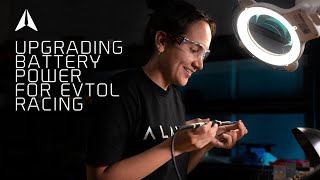
Airspeeder desert and sea races will feature slide and lock swappable batteries and teams competing will have the pressure of deciding when to make a pit stop.