Featured
SMART researchers explore the potential of e-scooter sharing as a replacement for short-distance transit in Singapore.
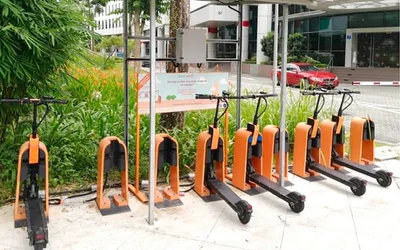
SMART researchers explore the potential of e-scooter sharing as a replacement for short-distance transit in Singapore.
SMART researchers explore the potential of e-scooter sharing as a replacement for short-distance transit in Singapore.
Over 100 MCUs and MPUs are integrated into modern vehicles. This article explores how sensor-obtained data has led to software-controlled features that benefit drivers' safety, comfort, and connectedness.
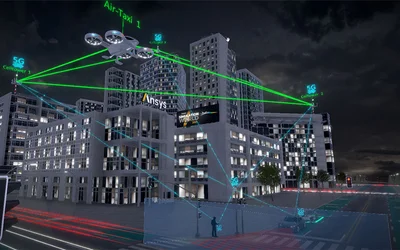
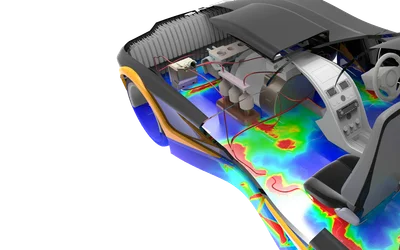
Simulation technology is key to mapping and maintaining the future of our new urban and transport realities.
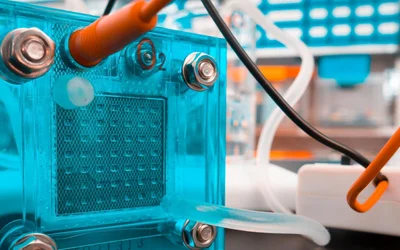
A PEM fuel cell converts hydrogen and oxygen into electricity at around 80 degrees C, with water and heat as the only products. This guide covers electrochemistry, layer materials, efficiency limits, and cost and durability to help you understand the practical applications of this technology.
14 minutes read.
14 minutes read.
12 minutes read.
13 minutes read.
15 minutes read.
14 minutes read.

Electronics
Mouser Electronics is a worldwide leading authorized distributor of semiconductors and electronic components.
219 Posts

Electrical and Electronic Manufacturing
Drop-in power cords that improve battery performance.
18 Posts
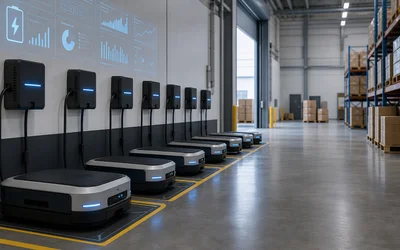
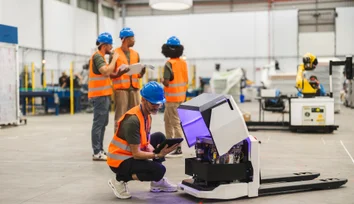
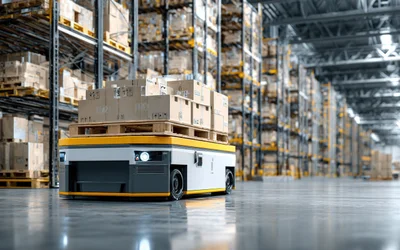
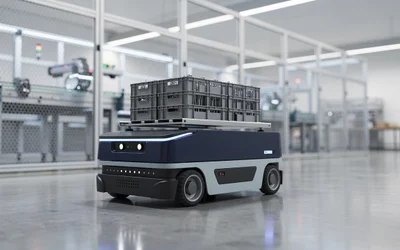
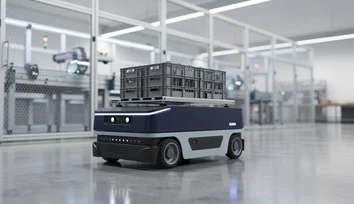
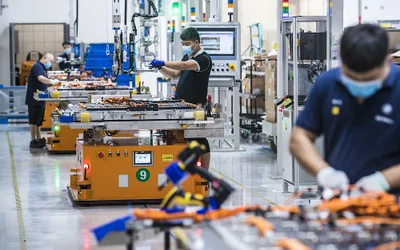
Engineering AGVs for consistent performance across large-scale deployments.
Engineering motion systems for availability, serviceability, and lifecycle cost.
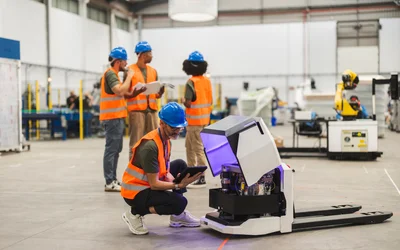
Why Reliable Motion Systems Matter in Modern Warehouse Automation
As robotics shifts from innovation showcases to real-world deployment, motion systems play a vital role in this next stage of robotics.
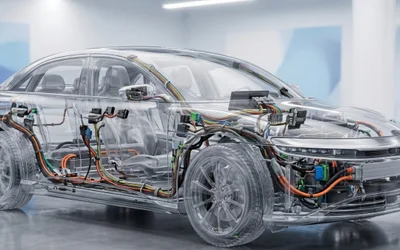
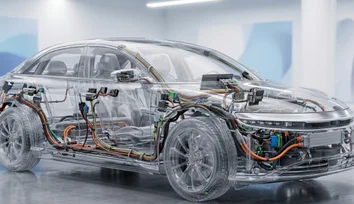
The connectivity foundation for advanced driver assistance systems, software-defined vehicles, zonal architectures and electrified powertrains.
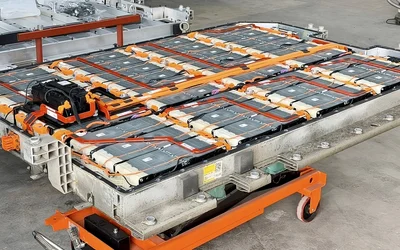
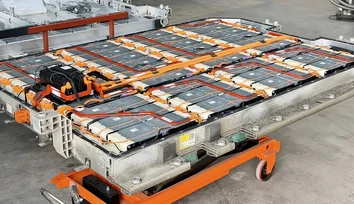
Engineering principles, BTMS architectures, and design tradeoffs.
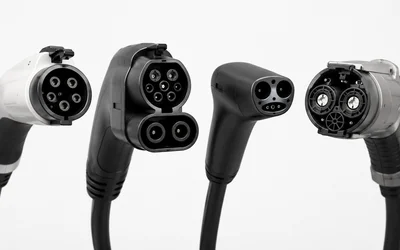
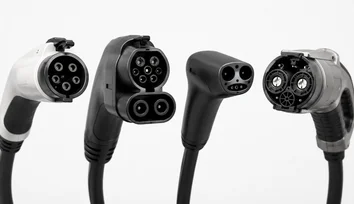
This article explains EV charging connector types, including AC, CCS, Tesla, CHAdeMO, GB/T, and NACS, with regional compatibility.
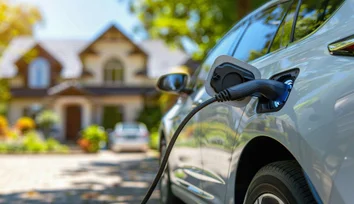
This article details EV charging levels, covering AC charging, DC fast charging, power delivery, infrastructure needs, and key trade-offs.
SMART researchers explore the potential of e-scooter sharing as a replacement for short-distance transit in Singapore.
Over 100 MCUs and MPUs are integrated into modern vehicles. This article explores how sensor-obtained data has led to software-controlled features that benefit drivers' safety, comfort, and connectedness.

7 minutes read
Simulation technology is key to mapping and maintaining the future of our new urban and transport realities.
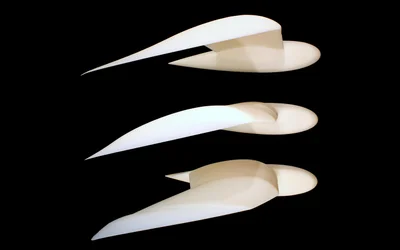
In this episode, we talk about UMich’s new aircraft wings that mimic birds, MIT research that aims to deploy digital twins at scale, and how NASA is repurposing an old weather satellite to monitor microplastic pollution.

In this episode, we talk about a company that is upcycling chewed and unwanted gum to create polymer based products, a software solution to reduce embodied carbon in construction projects, and a Boston based startup that is planning to change the way consumers think about coastal transportation.
Article #5 of our Connected Transport Series. High-speed networking and miniaturization of interconnectivity solutions enable advanced driver-assistance systems (ADAS) and increase vehicle safety.
6 minutes read
Where your alternative fuel car is made as well as where and how it is driven significantly impacts its lifetime carbon emissions.
SMART study determines benefits of competition and potential impact for future urban cities and transport systems.
A new applied R&D center accelerates chip technology development towards industry and applications.
Article #4 of our Connected Transport Series. Many technologies, regulations, and infrastructure changes need to be adopted for connected vehicles to realize their full potential.
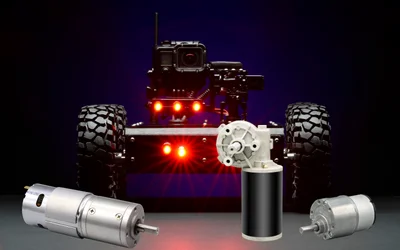
Autonomous Robots use a variety of unique dc motors and gear motors to carry out their multitude of operations. ISL Products explains how and where these dc motors are used.

4 minutes read
In this episode, we talk about the next-gen lunar rover built by Lockheed and GM for NASA’s Artemis mission, how a frustrated tech CEO made a rock-picking robot, and an initiative from University of Manchester to reduce global CO2 emissions by 2% using graphene-enhanced concrete.
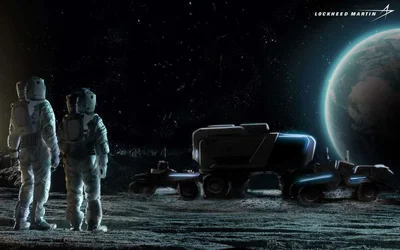
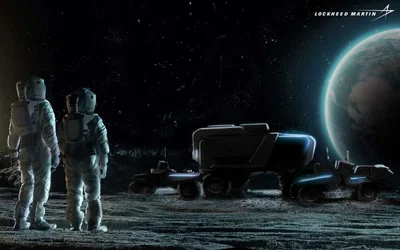
Lockheed Martin and General Motors are developing the next generation of lunar rovers for NASA's Artemis mission.
Article #3 of our Connected Transport Series. Successful connected car designs require secure, well-designed connectors that solve modularity challenges.
With transportation responsible for a significant percentage of global CO2 emissions, simulation technologies can be applied to all aspects of vehicle design to enable rapid innovation for greener vehicles.