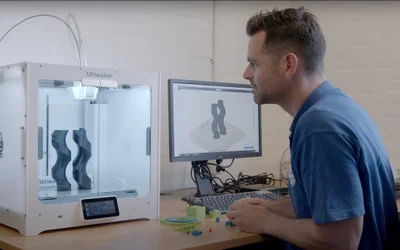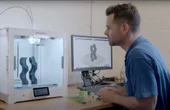

Most beginners start their 3D printing journey by downloading 3D models from the internet. But knowing how to make a 3D model for printing using CAD software opens up a world of possibilities.
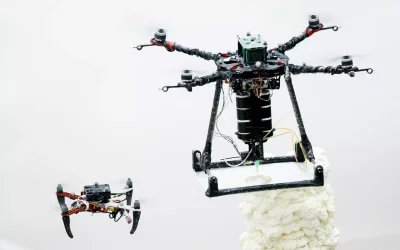
A bone-like composite developed at EPFL, in collaboration with researchers from ETH Zurich, Empa and the University of Fribourg, uses naturally occurring enzymes to accelerate mineralization through an energy-efficient, room-temperature process.
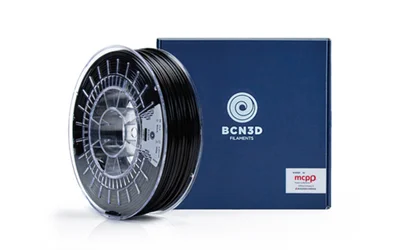
The 3D printer filament market is flooded with choices, but what are the best PETG filaments available to engineers today? Here we look at some of the top brands.
Discover how iAM Marketplace simplifies industrial additive manufacturing by unifying materials, validation services, and multi-brand technologies into one open ecosystem for efficient AM sourcing.
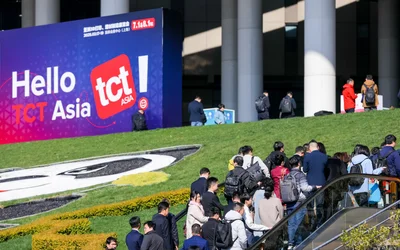
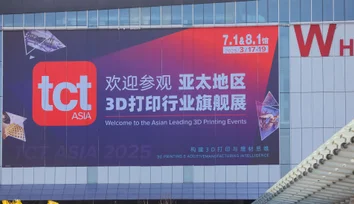
This article discusses what attendees can expect from TCT Asia 2026, including its conference format, focus areas, and the experts contributing to industry-specific discussions.
This article discusses the exhibitors, products, and industrial trends defining additive manufacturing across the Asia-Pacific region at TCT Asia 2026.
This article discusses how the Asia-Pacific region is advancing additive manufacturing and the role of TCT Asia as the leading 3D printing and additive manufacturing event in the Asia-Pacific.
Most beginners start their 3D printing journey by downloading 3D models from the internet. But knowing how to make a 3D model for printing using CAD software opens up a world of possibilities.
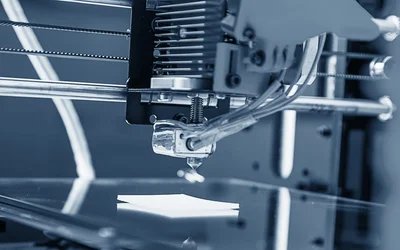
When setting up your 3D printer for the first time or swapping out components, knowing how to perform E-step calibration is vital for ensuring the right amount of filament gets extruded.
Polyjet is a 3D printing technology that offers great accuracy and uniquely allows you to alter the part’s material properties in different places on the build. For the right part or prototype Polyjet is a great option, but understanding the capabilities and limitations is key.
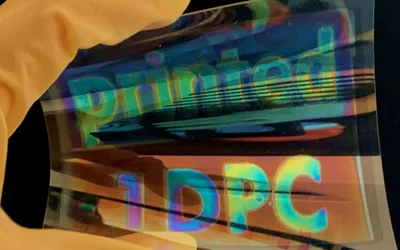
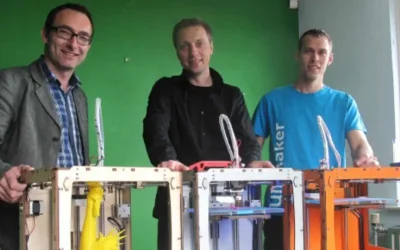
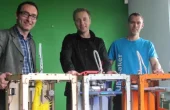
A young team with a new technology are currently creating a revolution in the world of printed electronics. In their modern, brand-new lab at the High Tech Plaza, they will be developing a device that can deposit any material on any substrate at a very rapid pace.
Automated Fiber Placement (AFP) is an additive manufacturing process that has three different inputs: fiber/polymer tape, heat, and pressure. This technology aims to replace manual workers in composites manufacturing with better productivity and less material waste.
If you are printing with engineering-grade FFF materials, it is very likely that you need to dry your filaments before using them. This article will give an overview of your filament drying options, as well as their advantages, and their drawbacks!
Founded in 2007, Sustainable Oceans International (SOI) aims to advance artificial reef design by developing reef units that look more natural, are stable, and can be deployed easily. Director David Lennon explains how 3D printing is a key factor in this process.
Resin 3D printing technologies like SLA and DLP offer excellent resolution and surface quality compared to FDM. But is UV resin toxic in its liquid or cured form, and, if so, how can you print it safely?
If you are printing with engineering-grade FFF materials, you likely need to dry your filaments before using them. This article will give an overview of your filament drying options and their advantages and drawbacks!