Featured

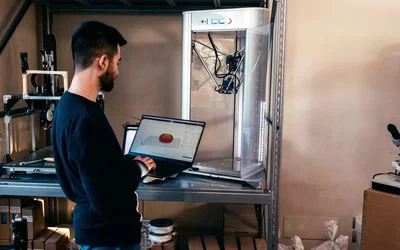
From shredded scraps to repurposed spool Fiberthree circular process slashes CO2 emissions by up to 90 percent, with recycled filament priced equal to new material.
This Report shows how tools like artificial intelligence, digital twins, and on-demand manufacturing are no longer emerging concepts, but are already delivering measurable impact across the product lifecycle.
From shredded scraps to repurposed spool Fiberthree circular process slashes CO2 emissions by up to 90 percent, with recycled filament priced equal to new material.
Nanomaterials are integrated into the 3D printing process to enhance the performance of printed electronics.
Organized by A*STARs Research Institutes and Universities, and the 4D Printing Society
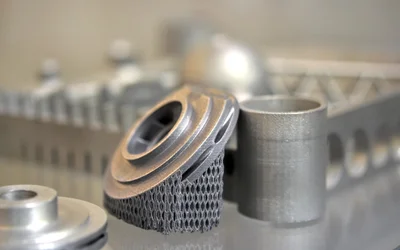
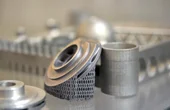
An engineer’s guide to understanding the state of the art in metal 3D Printing
15 minutes read.
22 minutes read.
11 minutes read.
18 minutes read.
12 minutes read.
16 minutes read.


Entertainment
The Next Byte Podcast is hosted by two young engineers - Daniel and Farbod - who select the most interesting tech/engineering cont...
165 Posts
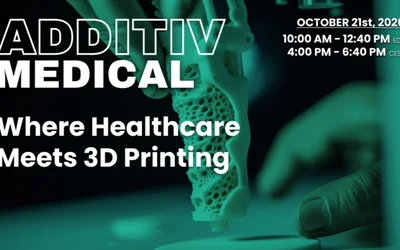
ADDITIV Medical 2026 will bring together more than 500 medical professionals
Choosing between 3D printing and injection molding is one of the key decisions in product development—especially in case of prototyping.
The choice between 3D printing and CNC machining is the most common decision regarding manufacturing methods that must be made before placing the first order for prototypes. The correct answer depends on tolerance requirements, material specifications, component geometry, and schedule.
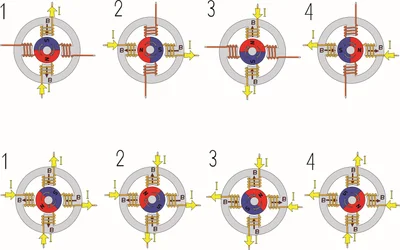
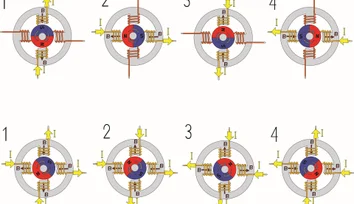
How microstepping works in stepper motors, the incremental torque cost of each resolution, and why finer microsteps do not improve positioning accuracy.
Discover how iAM Marketplace simplifies industrial additive manufacturing by unifying materials, validation services, and multi-brand technologies into one open ecosystem for efficient AM sourcing.
This article discusses what attendees can expect from TCT Asia 2026, including its conference format, focus areas, and the experts contributing to industry-specific discussions.
This article discusses the exhibitors, products, and industrial trends defining additive manufacturing across the Asia-Pacific region at TCT Asia 2026.
This article discusses how the Asia-Pacific region is advancing additive manufacturing and the role of TCT Asia as the leading 3D printing and additive manufacturing event in the Asia-Pacific.
From shredded scraps to repurposed spool Fiberthree circular process slashes CO2 emissions by up to 90 percent, with recycled filament priced equal to new material.

4 minutes read
Nanomaterials are integrated into the 3D printing process to enhance the performance of printed electronics.
Organized by A*STARs Research Institutes and Universities, and the 4D Printing Society
New electronics printing technologies enable the production of miniature, high-performance 3D electronic devices, with nanomaterials being key to the process
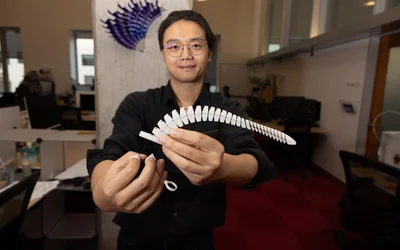
“Xstrings” method enables users to produce cable-driven objects, automatically assembling bionic robots, sculptures, and dynamic fashion designs.
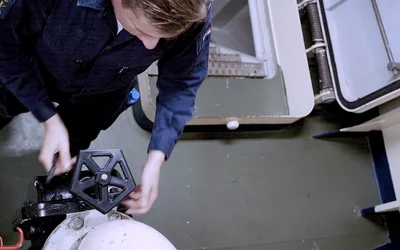
UltiMaker’s ecosystem, including Digital Factory for remote print management, enables defense organizations to integrate 3D printing into their workflows effectively. In this article, we aim to outline the key benefits and some of the potential applications of 3D printing in defense.

3 minutes read
Exploring tangible AI-driven improvements—from ideation to failure prediction—that are transforming additive manufacturing.
4 minutes read
MIT engineers developed a way to grow artificial tissues that look and act like their natural counterparts.
A detailed comparison of Orca Slicer vs Cura, two leading 3D printing slicers, evaluating slicing algorithms, features, usability, and real-world print results
In this episode, we discuss how Harvard researchers cracked the code of 3D printing “shapeshifting” materials and why their efforts lay the groundwork for other innovations in the material science field.

13 minutes read
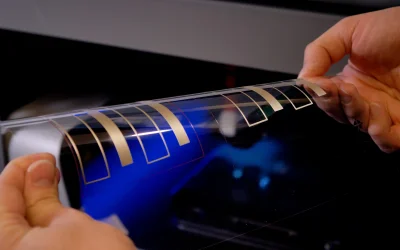
Flexible hybrid electronics (FHE) enable bendable, stretchable devices for healthcare, consumer tech, and automotive. Explore how electronics manufacturers are leveraging FHE to meet new requirements across industries.

4 minutes read
This article will examine how 3D printing can be integrated across different levels of education and how it helps equip students with essential skills for their future workplace.
9 minutes read
3D printed molds offer a compelling alternative for injection molding applications, particularly for prototyping and low-volume production.
3D printing materials filled with precise quantities of nanoparticles are making a profound impact on industries like electronics, healthcare, and aerospace
In this episode, we chat about the efforts of researchers at ETH Zurich to dehumidify indoor spaces using waste material in an effort to reduce energy consumption & help Switzerland hit their net zero emissions goal by 2050!
12 minutes read