Featured
Stanford scientists designed a catalyst that turns carbon dioxide into ethanol, which could incentivize cleaning up emissions.

Stanford scientists designed a catalyst that turns carbon dioxide into ethanol, which could incentivize cleaning up emissions.
Stanford scientists designed a catalyst that turns carbon dioxide into ethanol, which could incentivize cleaning up emissions.
The ASA glass transition temperature is around 100°C. This makes it slightly easier to print than ABS, while it is also better for outdoor applications due to its good UV resistance.
Using a combination of machine learning and powerful X-rays, Cornell researchers have solved a mystery behind the unusual behavior seen in a class of materials with potential for thermoelectric energy conversion and other applications.
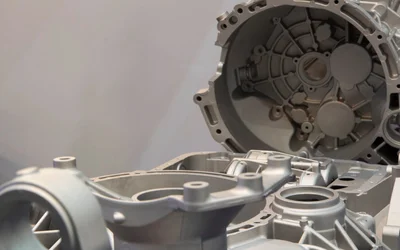
Unlock the potential of aluminum die casting in modern engineering applications through advanced techniques.
12 minutes read.
16 minutes read.
18 minutes read.
14 minutes read.
8 minutes read.


Entertainment
The Next Byte Podcast is hosted by two young engineers - Daniel and Farbod - who select the most interesting tech/engineering cont...
165 Posts

University for science and technology
Freedom and individual responsibility, entrepreneurial spirit and open-min...
43 Posts
Discover how iAM Marketplace simplifies industrial additive manufacturing by unifying materials, validation services, and multi-brand technologies into one open ecosystem for efficient AM sourcing.
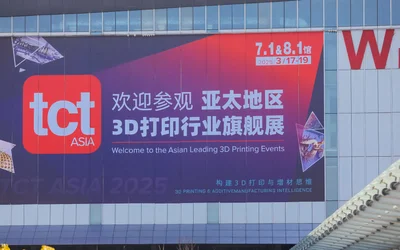
This article discusses what attendees can expect from TCT Asia 2026, including its conference format, focus areas, and the experts contributing to industry-specific discussions.
This article discusses the exhibitors, products, and industrial trends defining additive manufacturing across the Asia-Pacific region at TCT Asia 2026.
This article discusses how the Asia-Pacific region is advancing additive manufacturing and the role of TCT Asia as the leading 3D printing and additive manufacturing event in the Asia-Pacific.
Lightweighting materials play a crucial role in offering the potential for improved fuel efficiency, enhanced performance, and reduced emissions in the automotive industry. It is anticipated that the lighter and more efficient automotive materials and components will revolutionize the industry in the coming years.
Stanford scientists designed a catalyst that turns carbon dioxide into ethanol, which could incentivize cleaning up emissions.

4 minutes read
The ASA glass transition temperature is around 100°C. This makes it slightly easier to print than ABS, while it is also better for outdoor applications due to its good UV resistance.
Using a combination of machine learning and powerful X-rays, Cornell researchers have solved a mystery behind the unusual behavior seen in a class of materials with potential for thermoelectric energy conversion and other applications.

2 minutes read
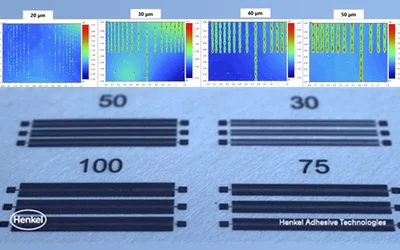
Henkel Adhesive Technologies holds leading market positions worldwide in the industrial and consumer business. As a global leader in the adhesives, sealants, and functional coatings markets, Henkel has developed a large material portfolio of LOCTITE® conductive inks ...

7 minutes read
EPFL scientists have developed an AI-based technique to improve chemical analysis of nanomaterials, overcoming challenges of noisy data and mixed signals.

3 minutes read
Composite metal foam could make aircraft wings or armor simultaneously stronger and lighter. An advanced material, the properties of composite metal foam (CMF) indeed make it attractive for a wide range of applications.

Electronic waste is a rapidly growing problem, but this degradable material could allow the recycling of parts from many single-use and wearable devices.
Automation concepts cover a range of increasingly complex machine initiatives that enhance all areas of 21st century life, and are especially useful for streamlining commercial and production processes.
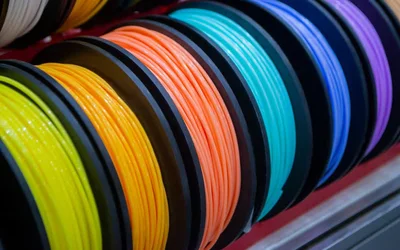
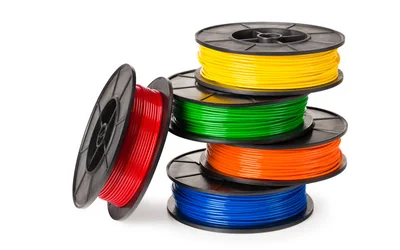
What is PLA filament and why is it so popular for entry-level 3D printing and beyond? This article covers the basics of Polylactic Acid.
The lightweight material could extend EV range or fuel efficiency once its microstructure is understood.

3 minutes read
Researcher to develop novel technology to extract, recover and enrich rare earth elements from coal-based resources

Penn State scientists recently found that mass-produced soda-lime silicate glass from post-consumer bottles of different colors can be safely melted together in the recycling process, which could potentially lead to more bottles being recycled.

3 minutes read
4 ways to improve product development in aerospace and defense using speed, component reduction, multiple manufacturing methods, and quality assurance.

7 minutes read
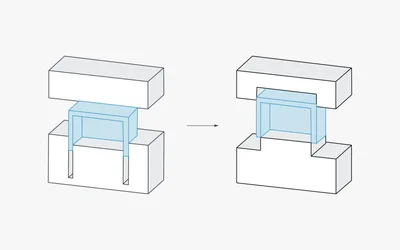
When designing for rapid injection moulding, one of the main goals is producing quick and clean parts. We’ll discuss considerations such as designing for holes, tabs or strips sticking up from the part or spanning an internal hole and surface texturing.
3 minutes read
Where 3D Printing Meets The Polymers Sector