Featured
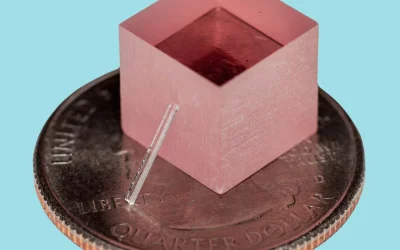
ETH researchers are developing a process inspired by nature that efficiently recovers europium from old fluorescent lamps. The approach could lead to the long-awaited recycling of rare earth metals.
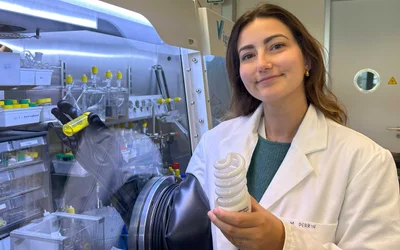
ETH researchers are developing a process inspired by nature that efficiently recovers europium from old fluorescent lamps. The approach could lead to the long-awaited recycling of rare earth metals.
ETH researchers are developing a process inspired by nature that efficiently recovers europium from old fluorescent lamps. The approach could lead to the long-awaited recycling of rare earth metals.
This article delves into the core principles, process parameters, and material compatibility of PVD vs CVD, empowering researchers and engineers to make informed decisions for their advanced thin film endeavors.
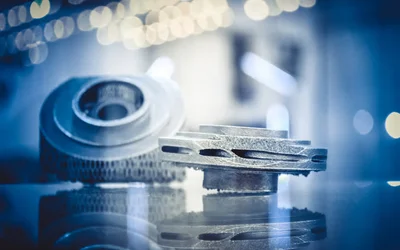
A developing new materials discovery framework creates a pathway to printable parts for turbine engines.
Unlock the potential of aluminum die casting in modern engineering applications through advanced techniques.
12 minutes read.
16 minutes read.
18 minutes read.
14 minutes read.
8 minutes read.


Entertainment
The Next Byte Podcast is hosted by two young engineers - Daniel and Farbod - who select the most interesting tech/engineering cont...
165 Posts

University for science and technology
Freedom and individual responsibility, entrepreneurial spirit and open-min...
43 Posts
Discover how iAM Marketplace simplifies industrial additive manufacturing by unifying materials, validation services, and multi-brand technologies into one open ecosystem for efficient AM sourcing.
This article discusses what attendees can expect from TCT Asia 2026, including its conference format, focus areas, and the experts contributing to industry-specific discussions.
This article discusses the exhibitors, products, and industrial trends defining additive manufacturing across the Asia-Pacific region at TCT Asia 2026.
This article discusses how the Asia-Pacific region is advancing additive manufacturing and the role of TCT Asia as the leading 3D printing and additive manufacturing event in the Asia-Pacific.
Lightweighting materials play a crucial role in offering the potential for improved fuel efficiency, enhanced performance, and reduced emissions in the automotive industry. It is anticipated that the lighter and more efficient automotive materials and components will revolutionize the industry in the coming years.
ETH researchers are developing a process inspired by nature that efficiently recovers europium from old fluorescent lamps. The approach could lead to the long-awaited recycling of rare earth metals.

4 minutes read
This article delves into the core principles, process parameters, and material compatibility of PVD vs CVD, empowering researchers and engineers to make informed decisions for their advanced thin film endeavors.
A developing new materials discovery framework creates a pathway to printable parts for turbine engines.

3 minutes read
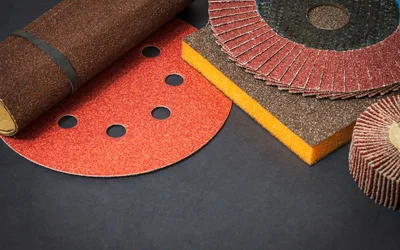
For FDM and other processes, 3D printer sanding is a key post-processing technique for removing layer lines and improving surface finish. Here we discuss how to do it.
Smart textiles expert and Professor in the School of Materials Science and Engineering shares insight into the best fabrics to wear in the Summer

2 minutes read
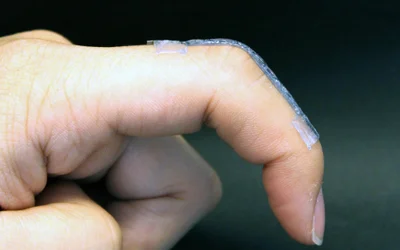
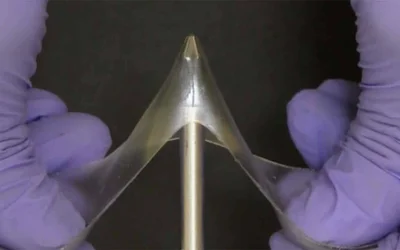
To advance soft robotics, skin-integrated electronics and biomedical devices, researchers at Penn State have developed a 3D-printed material that is soft and stretchable — traits needed for matching the properties of tissues and organs — and that self-assembles.

3 minutes read
In a single leap from tabletop to the microscale, engineers at Stanford have produced the world’s first practical titanium-sapphire laser on a chip, democratizing a once-exclusive technology.

4 minutes read
In metal additive manufacturing, titanium powders have some of the most high-value applications, from aerospace manufacturing to patient-specific medical implants.
Build strength into your part design by incorporating strategic support features and selecting the right thermoplastics.

4 minutes read
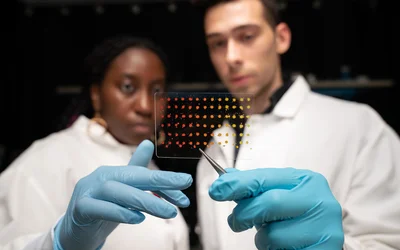
The technique characterizes a material’s electronic properties 85 times faster than conventional methods.
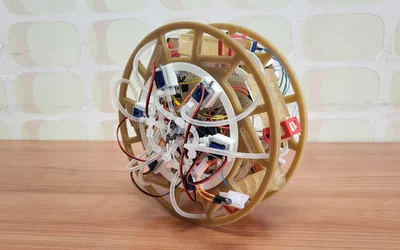
A fully edible robot could soon end up on our plate if we overcome some technical hurdles, say EPFL scientists involved in RoboFood – an EU-funded project which aims to marry robots and food.
Researchers have created a new class of materials called “glassy gels” that are very hard and difficult to break despite containing more than 50% liquid. Coupled with the fact that glassy gels are simple to produce, the material holds promise for a variety of applications.

3 minutes read
High-performance thermoplastic composites can be used to replace metals. While PEEK is the benchmark for engineering performance, reinforced PPS is a genuine low-cost alternative.
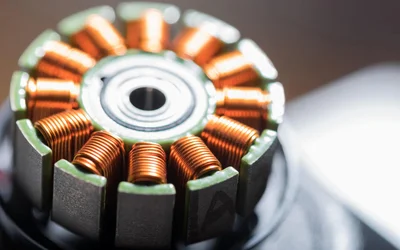
A $2.6M project will fine tune an advanced manufacturing approach that opens doors to more power-dense and sustainable magnetic materials.

3 minutes read
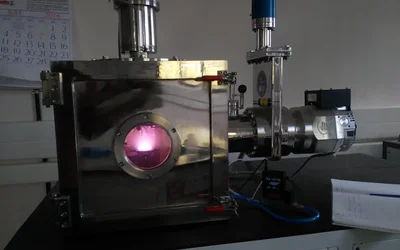
The development of PVD coating reflects the success of modern engineering, revolutionizing the way surfaces are enhanced for performance and durability. This comprehensive guide will deeply dive into the principles, advancements, and their profound impact on the various engineering fields.