
Featured
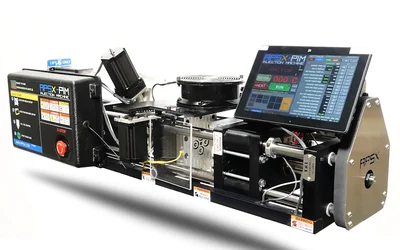
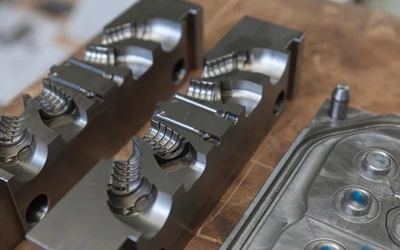
In the world of plastic manufacturing, injection molding is a widely used process for creating high-quality, precise plastic parts.
In the world of plastic manufacturing, injection molding is a widely used process for creating high-quality, precise plastic parts.
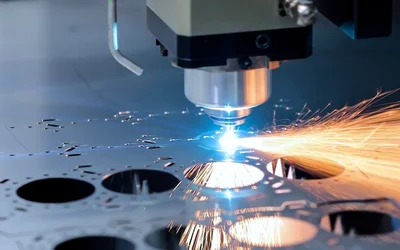
Manufacturing sheet metal is far from a simple task. It requires rigorous inspection, primarily due to the high quality and stringent safety standards required in the automotive industry.
Bioengineered advancement may have implications for more natural-looking reconstructive surgery outcomes, according to international research team
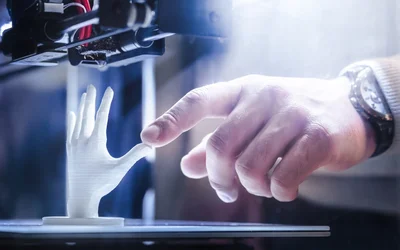
What is 3D printing? This article goes over the basics of 3D printing, otherwise known as additive manufacturing, covering its engineering principles and applications.
14 minutes read.
17 minutes read.
11 minutes read.
18 minutes read.
13 minutes read.
10 minutes read.


Entertainment
The Next Byte Podcast is hosted by two young engineers - Daniel and Farbod - who select the most interesting tech/engineering cont...
165 Posts
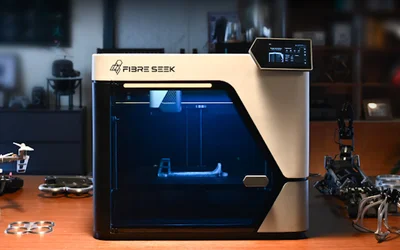
Following a successful crowdfunding campaign, the FibreSeeker 3 from FibreSeek is bringing continuous carbon fiber printing to a new audience.
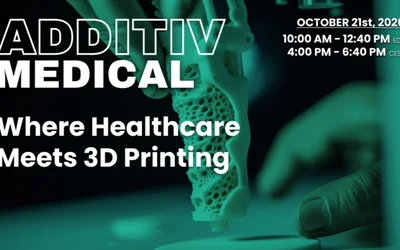
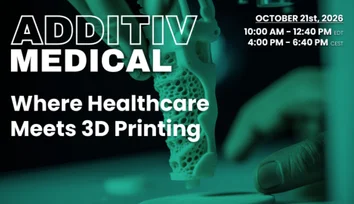
ADDITIV Medical 2026 will bring together more than 500 medical professionals
Choosing between 3D printing and injection molding is one of the key decisions in product development—especially in case of prototyping.
Explore how the right finishes and coatings can improve aerospace parts by boosting durability, extending service life, enhancing environmental resistance, and delivering the performance and appearance required for demanding applications.
The data problem
From leading experts at the CDFAM Computational Design Symposium
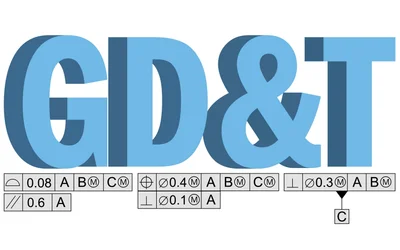
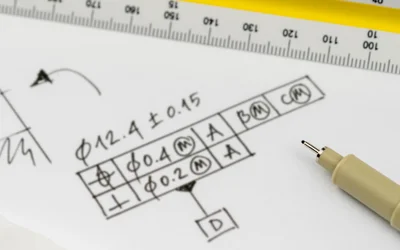
GD&T is the symbolic language engineers use to state exactly how much a part can vary and still work. This guide covers the basics.
This guide covers the true position formula, how to read the feature control frame, and how MMC and LMC generate bonus tolerance.
In the world of plastic manufacturing, injection molding is a widely used process for creating high-quality, precise plastic parts.
Manufacturing sheet metal is far from a simple task. It requires rigorous inspection, primarily due to the high quality and stringent safety standards required in the automotive industry.

6 minutes read
Bioengineered advancement may have implications for more natural-looking reconstructive surgery outcomes, according to international research team

4 minutes read
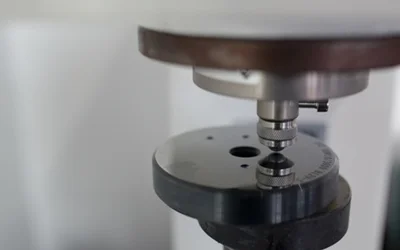
Ensuring the right level of hardness for your CNC machined part

4 minutes read
This article will describe the similarities and differences between injection moulding and compression moulding to help you determine which process is best for your project in terms of the manufacturing process, materials used, and production rates.

5 minutes read
At a Polish branch of TI Fluid Systems, functional prototypes and spare parts for the automotive industry are selectively laser sintered. Using a Sintratec S2, Paweł Pułtorak’s team prints precise and complex parts to validate their designs.

3 minutes read
Complexity is a cost driver in most manufacturing processes, and manufacturers have been looking to additive manufacturing as a way to simplify the manufacturing of complex objects.

4 minutes read
Researchers use AI and high-speed in-situ imaging to optimize process parameters for 3D printing metal alloys.

4 minutes read
This article provides an in-depth exploration of the evolution, fundamental concepts, diverse types, operating principles, and practical applications of ASICs.
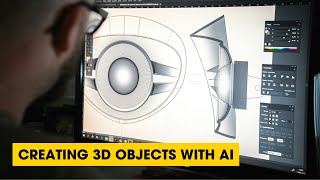
In this episode, we talk about the initiative from PolySpectra to generate 3D CAD models from text using AI.

19 minutes read
Have you ever wondered what an injection mould tool consists of? Explore our comprehensive guide to learn more about the ins and outs of mould tool anatomy.
5 minutes read
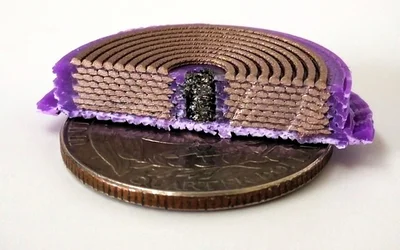
The printed solenoids could enable electronics that cost less and are easier to manufacture — on Earth or in space.
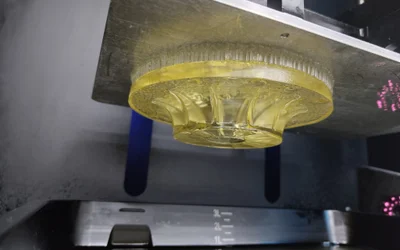
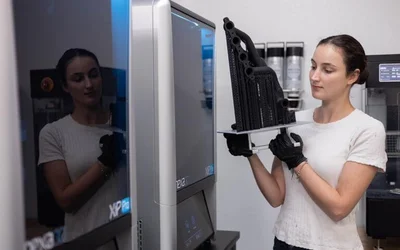
Nexa3D’s patented Lubricant Sublayer Photo-curing (LSPc) technology can print at up to 24 vertical centimeters per hour. That means more prototypes in less time.
An In-depth Exploration of CNC Milling's Precision, Repeatability, and Versatility
The benefits associated with 3D scanning are unanimously acknowledged in the NDT industry. They involve the acquisition of data independent of the user’s expertise or experience, increased precision and repeatability, and significant productivity gains compared to more traditional techniques.
3 minutes read