Featured
How to extend the pot life of silicone without change in properties for applications in 3D Printing, LED lighting, LED backlights, and others
How to extend the pot life of silicone without change in properties for applications in 3D Printing, LED lighting, LED backlights, and others
Learn how bluetooth connected AI/ML microcontrollers are setting the bar for next generation wearables.
Optimize part design to reduce CNC machining time and cost
What is 3D printing? This article goes over the basics of 3D printing, otherwise known as additive manufacturing, covering its engineering principles and applications.
14 minutes read.
17 minutes read.
11 minutes read.
18 minutes read.
13 minutes read.
10 minutes read.


Entertainment
The Next Byte Podcast is hosted by two young engineers - Daniel and Farbod - who select the most interesting tech/engineering cont...
165 Posts
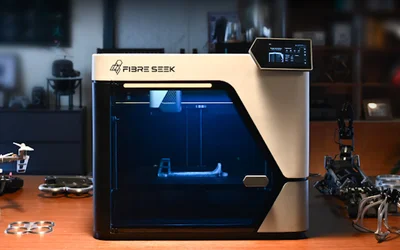
Following a successful crowdfunding campaign, the FibreSeeker 3 from FibreSeek is bringing continuous carbon fiber printing to a new audience.
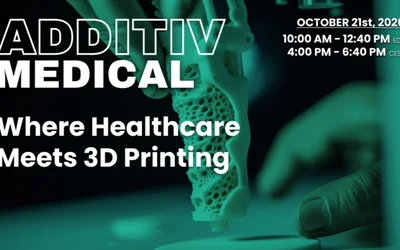
ADDITIV Medical 2026 will bring together more than 500 medical professionals
Choosing between 3D printing and injection molding is one of the key decisions in product development—especially in case of prototyping.
Explore how the right finishes and coatings can improve aerospace parts by boosting durability, extending service life, enhancing environmental resistance, and delivering the performance and appearance required for demanding applications.
The data problem
From leading experts at the CDFAM Computational Design Symposium
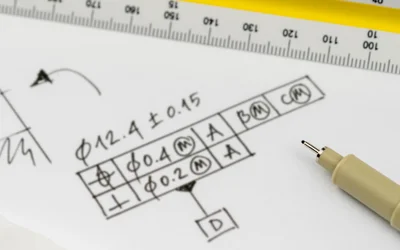
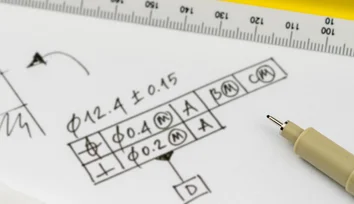
GD&T is the symbolic language engineers use to state exactly how much a part can vary and still work. This guide covers the basics.
This guide covers the true position formula, how to read the feature control frame, and how MMC and LMC generate bonus tolerance.
How to extend the pot life of silicone without change in properties for applications in 3D Printing, LED lighting, LED backlights, and others

3 minutes read
Learn how bluetooth connected AI/ML microcontrollers are setting the bar for next generation wearables.
Optimize part design to reduce CNC machining time and cost

3 minutes read
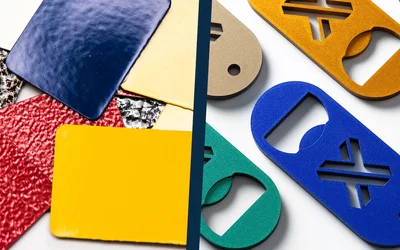
In a world where quality and durability are paramount, selecting the right finish for an aluminium surface is more than a mere aesthetic choice. This article aims to clear the fog by providing a head-to-head comparison of powder coating and anodising processes.

5 minutes read
with Xsens MVN Link

3 minutes read
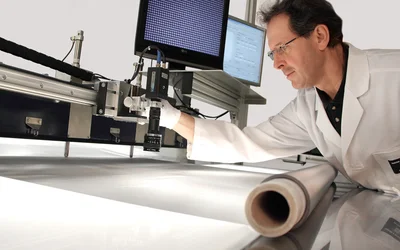
R2R Sputtering + Direct Laser Patterning is a great way to create large-area circuits on flexible circuits, even with materials such as graphene or MoS2. The technology R2R produces high-quality uniform films on large substrates whilst the laser forms precision circuit patterns without photolith.
2 minutes read
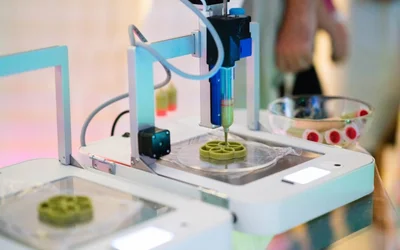
3D printed food might have started as a novelty, but this niche area of additive manufacturing is giving producers and consumers food for thought.
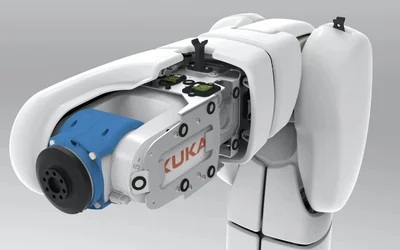
AIRSKIN® revolutionizes industrial automation by adding air-powered tactile skin for to robots to create safe, collaborative environments, ensuring maximum safety with PLe / Cat. 3 certification.
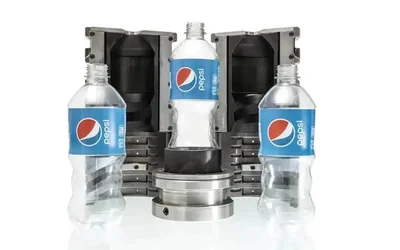
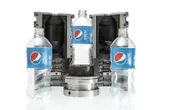
PepsiCo worked with Nexa3D’s partner Dynamism to validate the NXE 400 and the xPEEK147 material as ideal for their blow molding application requiring speed and durability.

3 minutes read
Electroforming technology has emerged as the most suitable method for manufacturing high-quality optical parts due to its unique combination of high precision, material properties, and design flexibility.
Resource scarcity and climate change are major challenges for today's (and tomorrow's) industries: More efficient processes and reduced emissions are needed to keep pace in a globalised world. Cutting-edge technologies like AI and renewable energies are making a valuable contribution.

3 minutes read
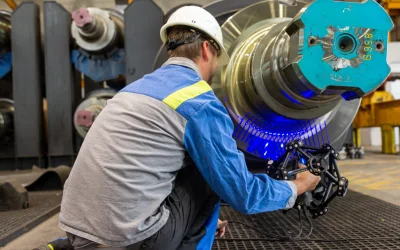
Do you ever question the accuracy and reliability of your quality control (QC) process? Do you ever doubt the quality of your measurement setup, especially if you are a non-expert in 3D scanning?

6 minutes read
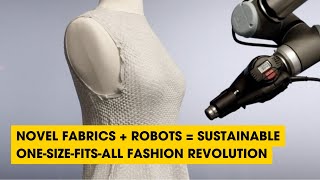
In this episode, we talk about how a fashion company spun-off from MIT has developed the world’s first truly one-size-fits-all garment.

18 minutes read
Unveiling a Distinctive Approach for Digital Twin Creation and Industrial Scanning

4 minutes read
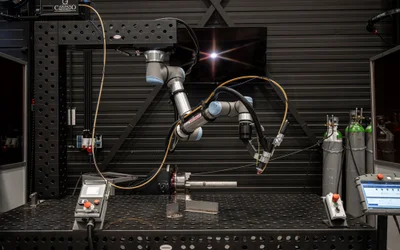
Dutch welding solutions specialist Elektrolas uses the UltiMaker S5 ProBundle to minimize machine downtimes and facilitate cobot welding for its customers.