Featured
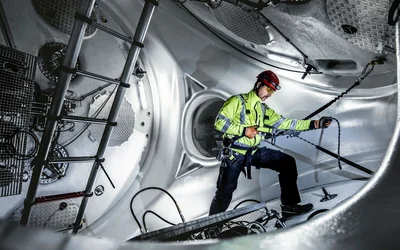
Article #1 of Connectivity and Sensing in Harsh Environments Series: Electrical components that enable the transfer of control and power are improving to fulfill the requirements of cutting-edge industrial applications.
Article #1 of Connectivity and Sensing in Harsh Environments Series: Electrical components that enable the transfer of control and power are improving to fulfill the requirements of cutting-edge industrial applications.
Designed for "energy neutral operation" of resource-constrained wearable devices, tinyMAN learns how to eke out the power available from an energy harvesting system to maximize utility without ever needing a manual charge.
Digital transformations can have significant upside for the businesses that undertake them: improved efficiency, increased output, reduced costs, and more stable operations to name a few.
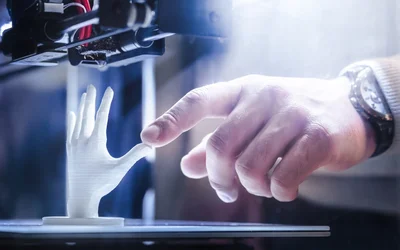
What is 3D printing? This article goes over the basics of 3D printing, otherwise known as additive manufacturing, covering its engineering principles and applications.
14 minutes read.
17 minutes read.
11 minutes read.
18 minutes read.
13 minutes read.
10 minutes read.


Entertainment
The Next Byte Podcast is hosted by two young engineers - Daniel and Farbod - who select the most interesting tech/engineering cont...
165 Posts
With just one month before the South Asian 3D printing trade show, we look at the events and showcases visitors will be able to take part in.
Lean manufacturing focuses on creating more value with less waste. Pioneered by Toyota in the 1950s, this approach helps businesses streamline processes, improve efficiency, and eliminate activities that don't add value to the final product.
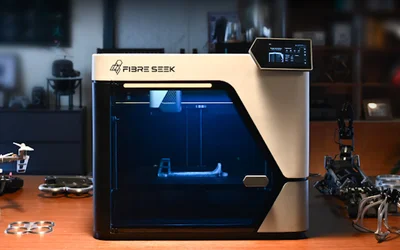
Following a successful crowdfunding campaign, the FibreSeeker 3 from FibreSeek is bringing continuous carbon fiber printing to a new audience.
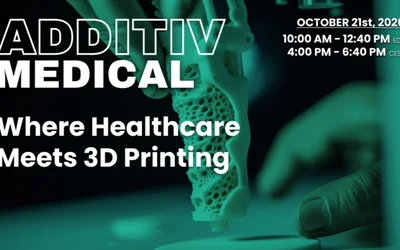
ADDITIV Medical 2026 will bring together more than 500 medical professionals
The data problem
From leading experts at the CDFAM Computational Design Symposium
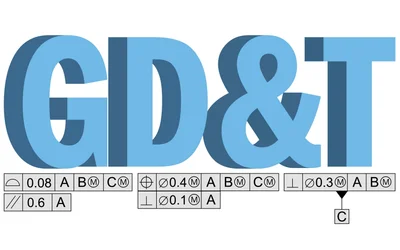
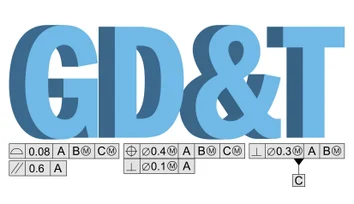
GD&T is the symbolic language engineers use to state exactly how much a part can vary and still work. This guide covers the basics.
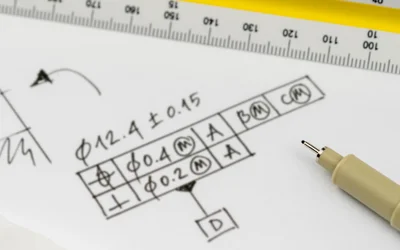
This guide covers the true position formula, how to read the feature control frame, and how MMC and LMC generate bonus tolerance.
Article #1 of Connectivity and Sensing in Harsh Environments Series: Electrical components that enable the transfer of control and power are improving to fulfill the requirements of cutting-edge industrial applications.
Designed for "energy neutral operation" of resource-constrained wearable devices, tinyMAN learns how to eke out the power available from an energy harvesting system to maximize utility without ever needing a manual charge.
Digital transformations can have significant upside for the businesses that undertake them: improved efficiency, increased output, reduced costs, and more stable operations to name a few.

3 minutes read
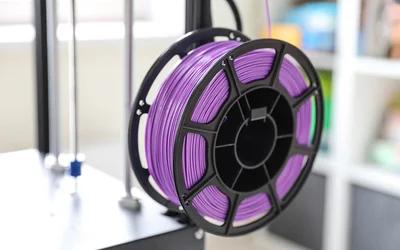
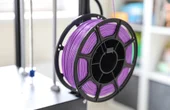
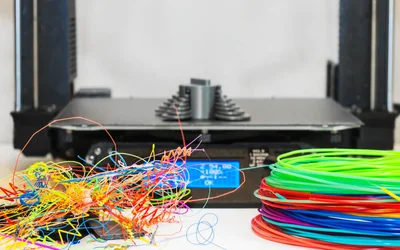
Wet 3D printer filament can lead to ruined prints. Fortunately, proper storage and drying techniques can help prevent and solve the problem. Here’s what to know.
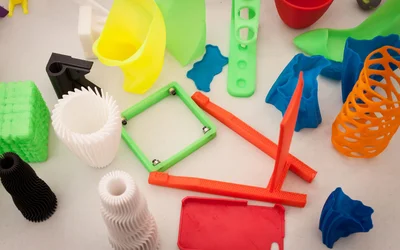
FDM 3D printers are reliable and cost-effective, but the appearance of layer lines can ruin a good print. Fortunately, it is possible to smooth PLA parts using a variety of methods.
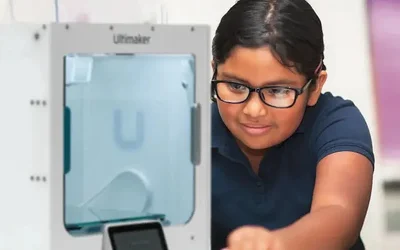
3D printers might seem like a magic box that can do anything, but the truth is that they’re a tool just like any other. To get the most out of them, you need to know how to use them properly. Today we’ll talk about 5 ways that you can get more out of a 3D printer for classroom use.

6 minutes read
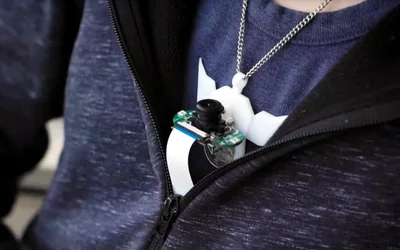
Designed as a necklace-style wearable in a 3D-printed case, SpeeChin is capable of recognizing 54 English and 44 Chinese voice commands — even if the wearer never says anything out loud.
This video will look deeper into CNC automation, but perhaps not in the way you think. We will aim to give you insights on how automation can help prove your design and optimise your part and process for cost effective, quick CNC production.

4 minutes read
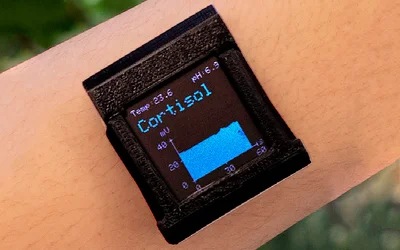
Designed around a novel DNA aptamer, this flexible sensor array can pick up your cortisol — and therefore stress — levels by sampling your sweat, and transmit readings to a nearby smartphone or other device for long-term tracking.
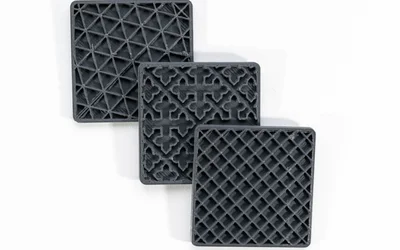
3D printer slicing software Cura lets users choose from a range of infill patterns. But what are the differences between patterns like Grid, Cubic, and Zig-zag, and how do you choose between them?
Tapis Magique is a pressure-sensitive, knitted electronic textile carpet that generates 3D sensor data based on body gestures and drives an immersive sonic environment in real time.
Here’s what you need to know about recycling PLA 3D printer filament and cutting back on 3D printing plastic waste.
Electroforming and 3D Printing are both additive manufacturing processes. Whereas Electroforming builds up precision metal parts atom by atom, 3D Printing works by applying materials in droplets through a small diameter nozzle and “print” layer by layer to build up the product.
Electroforming is an additive manufacturing process specialized for the production of high precision metal parts. Its uniqueness is that you can grow metal parts atom by atom, providing extreme accuracy and high aspect ratios.
When it comes to desktop 3D printing, buyers have two main options: resin printers that use photopolymerization technology, or filament printers that extrude molten thermoplastic. Both have their strengths and weaknesses.