Featuredpodcast
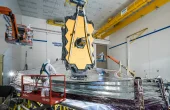
In this episode, we talk about the research effort aiming to understand how concrete cures in space and how the James Webb telescope will provide insight regarding the origins of our universe.
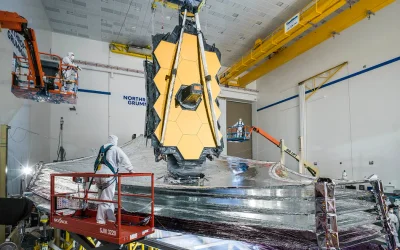
In this episode, we talk about the research effort aiming to understand how concrete cures in space and how the James Webb telescope will provide insight regarding the origins of our universe.
In this episode, we talk about the research effort aiming to understand how concrete cures in space and how the James Webb telescope will provide insight regarding the origins of our universe.
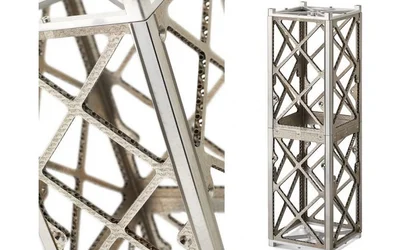
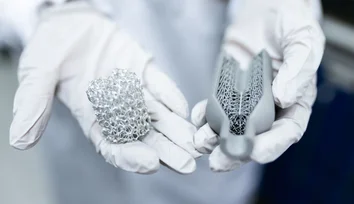
The U.S. Air Force Institute of Technology (AFIT) leveraged nTopology and architected materials to develop an additively manufactured CubeSat bus assembly from Inconel 718 that was 50% lighter and 20% stiffer than the original aluminum assembly.
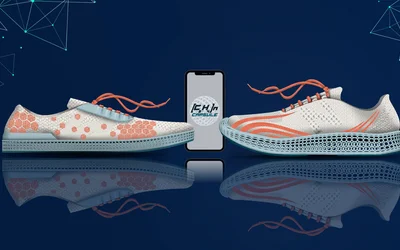
How-to manual from MIT and the Fashion Institute of Technology codifies successful textiles partnership between designers, engineers.
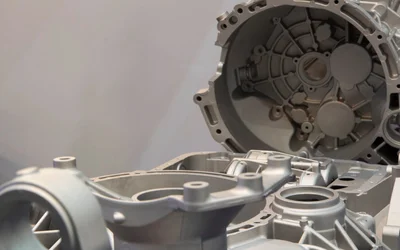
Unlock the potential of aluminum die casting in modern engineering applications through advanced techniques.
12 minutes read.
16 minutes read.
18 minutes read.
14 minutes read.
8 minutes read.


Entertainment
The Next Byte Podcast is hosted by two young engineers - Daniel and Farbod - who select the most interesting tech/engineering cont...
165 Posts

University for science and technology
Freedom and individual responsibility, entrepreneurial spirit and open-min...
43 Posts
Discover how iAM Marketplace simplifies industrial additive manufacturing by unifying materials, validation services, and multi-brand technologies into one open ecosystem for efficient AM sourcing.
This article discusses what attendees can expect from TCT Asia 2026, including its conference format, focus areas, and the experts contributing to industry-specific discussions.
This article discusses the exhibitors, products, and industrial trends defining additive manufacturing across the Asia-Pacific region at TCT Asia 2026.
This article discusses how the Asia-Pacific region is advancing additive manufacturing and the role of TCT Asia as the leading 3D printing and additive manufacturing event in the Asia-Pacific.
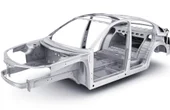
Lightweighting materials play a crucial role in offering the potential for improved fuel efficiency, enhanced performance, and reduced emissions in the automotive industry. It is anticipated that the lighter and more efficient automotive materials and components will revolutionize the industry in the coming years.
In this episode, we talk about the research effort aiming to understand how concrete cures in space and how the James Webb telescope will provide insight regarding the origins of our universe.

2 minutes read
The U.S. Air Force Institute of Technology (AFIT) leveraged nTopology and architected materials to develop an additively manufactured CubeSat bus assembly from Inconel 718 that was 50% lighter and 20% stiffer than the original aluminum assembly.

4 minutes read
How-to manual from MIT and the Fashion Institute of Technology codifies successful textiles partnership between designers, engineers.
In this episode, we talk about a collaboration between two professors at Cornell University to combat the multi-billion dollar annual loss of grapes by combating powdery mildew using AI and how a novel material developed by NASA JPL researchers can significantly reduce the cost of robotics worldwide
2 minutes read
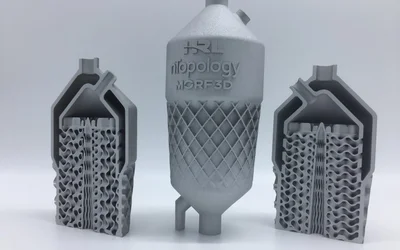
nTop engineers designed, analyzed and printed a fuel-cooled oil cooler using nTop Platform, ANSYS CFX and a new additive aluminum alloy developed by HRL Laboratories. This blog takes you from start to finish in the series that began in late 2019.
2 minutes read
Kimya ABS-ESD filament is an engineering-grade material that proved to fulfil the necessary requirements, while being processable on desktop printers such as the Ultimaker S5.

5 minutes read
Electrostatic discharge (ESD) is commonly known as “static electricity.” These discharges occur when an electric charge is built up then transferred to another object, often accompanied by a visible spark. This can cause product defects or lead to unsafe circumstances.
3 minutes read
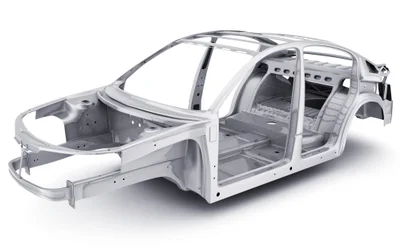
When it comes to designing cars, saving weight is a top priority. But there is more to it than just swapping steel for aluminum, or tearing out the back seats.
8 minutes read
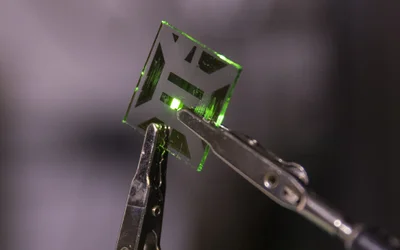
In this episode, we talk about Nanostructured Shields, Balloon Venusquake Detection, and 20% Brighter OLED
2 minutes read
In this episode, we talk about a graduate student’s thesis which resulted in a robot that’ll allow you to hug loved ones that are far away, how artificial photosynthesis might hold the key to our energy crisis, and a novel technique to conduct spinal stimulation therapy via non-invasive surgery.
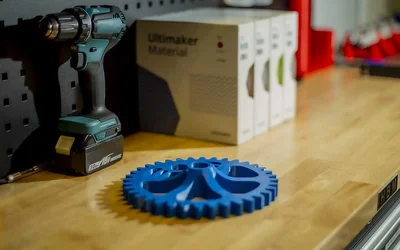
Ultimaker is proud to announce the release of its new PETG material, designed specifically for great results with Ultimaker 3D printers.
4 minutes read
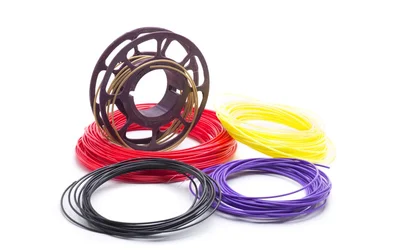
Delve into the variety of filament options available and discover how to select the perfect material to meet the specific requirements of your 3D printed projects.
In this episode, we talk about a company that is upcycling chewed and unwanted gum to create polymer based products, a software solution to reduce embodied carbon in construction projects, and a Boston based startup that is planning to change the way consumers think about coastal transportation.
Gumdrop Ltd, a company based in London, UK, has developed a thermoplastic elastomer (TPE) material called Gumtec that is made of up to 30% recycled chewing gum and can be used in shoes, phone cases, and other consumer goods.
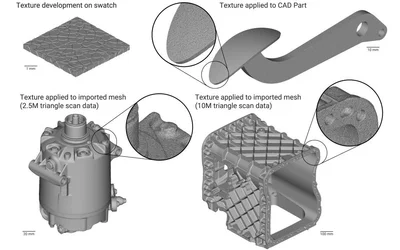
Procedural texturing is a technique that can be used to generate surface textures for a variety of applications. This article will guide you through the steps involved in generating and applying a roughness texture, along with three other natural surface treatments: leather, wood, and marble.
5 minutes read