
Featured

The new Protolabs whitepaper describes how additive manufacturing has established itself as a driver of innovation in medicine in recent years and what role 3D printing will play in the industry in the future.
The new Protolabs whitepaper describes how additive manufacturing has established itself as a driver of innovation in medicine in recent years and what role 3D printing will play in the industry in the future.
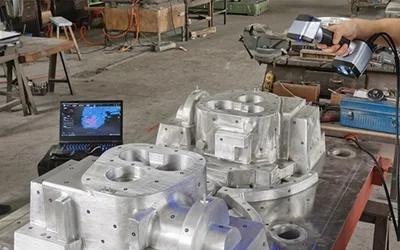
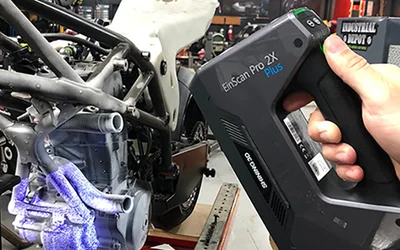
3D scanning technology has radically improved to now offer immense value in applications as diverse as reverse engineering to contactless dentistry.
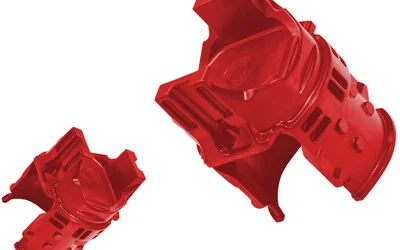
Gain insight into the importance of ‘uniformity’, in terms of sinking, warping, and essentially non-functioning parts.
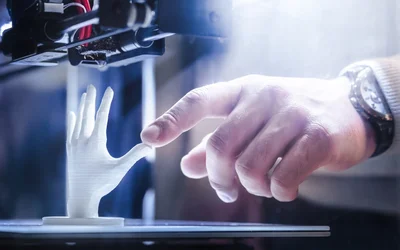
What is 3D printing? This article goes over the basics of 3D printing, otherwise known as additive manufacturing, covering its engineering principles and applications.
14 minutes read.
17 minutes read.
11 minutes read.
18 minutes read.
13 minutes read.
10 minutes read.


Entertainment
The Next Byte Podcast is hosted by two young engineers - Daniel and Farbod - who select the most interesting tech/engineering cont...
165 Posts
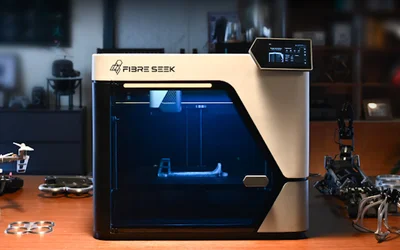
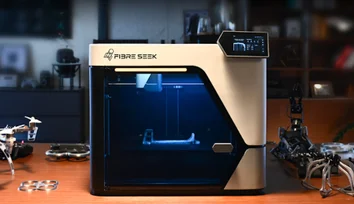
Following a successful crowdfunding campaign, the FibreSeeker 3 from FibreSeek is bringing continuous carbon fiber printing to a new audience.
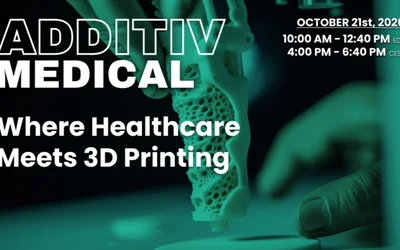
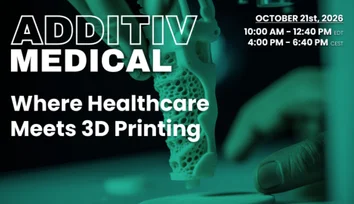
ADDITIV Medical 2026 will bring together more than 500 medical professionals
Choosing between 3D printing and injection molding is one of the key decisions in product development—especially in case of prototyping.
Explore how the right finishes and coatings can improve aerospace parts by boosting durability, extending service life, enhancing environmental resistance, and delivering the performance and appearance required for demanding applications.
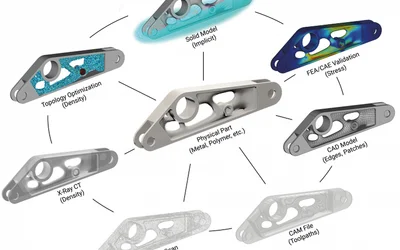
The data problem
From leading experts at the CDFAM Computational Design Symposium
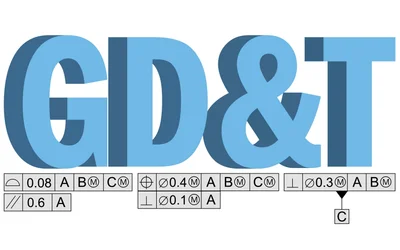
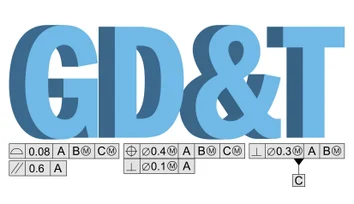
GD&T is the symbolic language engineers use to state exactly how much a part can vary and still work. This guide covers the basics.
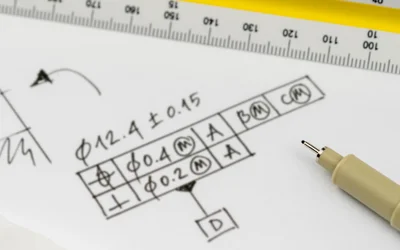
This guide covers the true position formula, how to read the feature control frame, and how MMC and LMC generate bonus tolerance.
The new Protolabs whitepaper describes how additive manufacturing has established itself as a driver of innovation in medicine in recent years and what role 3D printing will play in the industry in the future.

3 minutes read
3D scanning technology has radically improved to now offer immense value in applications as diverse as reverse engineering to contactless dentistry.

7 minutes read
Gain insight into the importance of ‘uniformity’, in terms of sinking, warping, and essentially non-functioning parts.
4 minutes read
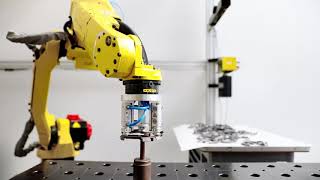
Picking of metallic objects belongs to one of the most commonly solved problems within the automation. This solution enables the automation of parts picking and their precise placing to a predefined location within the desired cycle time.

The laboratory for additive manufacturing (LaF) at Landshut University, deals with the process of reverse engineering headed by Prof. Dr.-Ing. Norbert Babel.

2 minutes read
Flexible 3D printing filaments open up a lot of possibilities for designers and engineers. Complex elastic forms can be produced easily in-house, then used in a variety of different ways – from prototyping flexible features to creating custom tools.

4 minutes read
Mass customization: production strategy aimed at satisfying customer needs while preserving the efficiency of mass production. At .Zero here's how we view mass customization, and how we are using nTop Platform helps us achieve it successfully.

3 minutes read
The next step in machine learning, how 3D printing will change the airline industry, and why flies hold the secret to robotic flight.

Fueled by computational modeling and the ability to synthesize data and leverage it within a design, coupled with technology to create complex geometries, industries are able to deliver more cost efficient parts without sacrificing performance.
2 minutes read
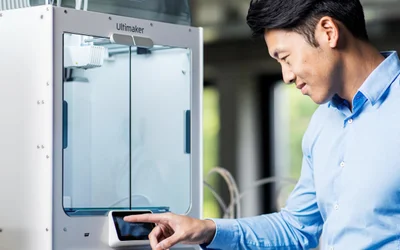
Our third episode is an interview with key members of the Ultimaker team, who share their knowledge and insight into the evolving role of FFF 3D printing, in both manufacturing and design.
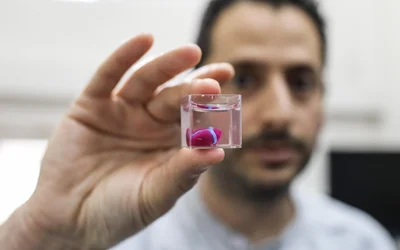
In the near future, 3D bioprinting will allow medical professionals to engineer and 3D print patient-specific organs for organ transplants in a few hours.
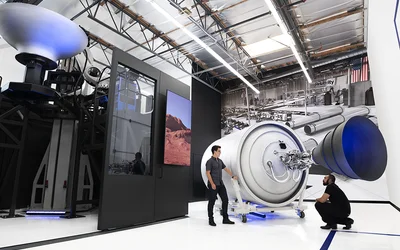
There is a small 3D printing revolution happening within astronautics and aeronautics.
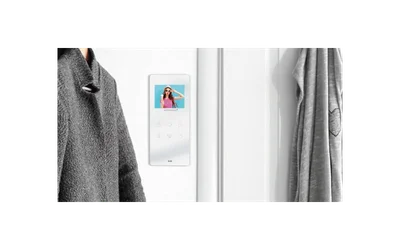
Entryphone have developed an entry phone product that perfectly meets the demands of the 21st century. Keen to get their exciting new product to market as quickly as possible, Protolabs' high-speed low-volume production model provided the support needed.
4 minutes read
KyronMAX®’s carbon fiber-based technology platform provides material-accurate prototyping in just days.
Art, culture and the craft of metal – Bryan Fuller's automotive and motorcycle design and customization shop 'Fuller Moto' inspires, educates and entertains those with a creative spirit and a do-it-yourself attitude and combines all these aspects together by creating 'rolling works of art'.
3 minutes read