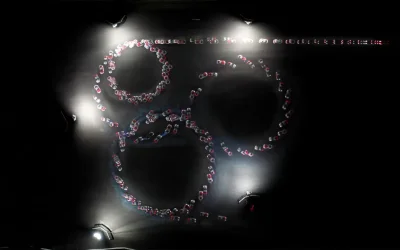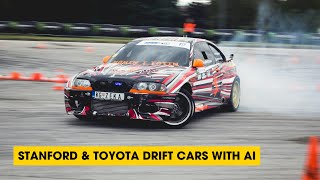
In this episode, we explore the groundbreaking achievement of AI-directed driverless drifting by Stanford Engineering and Toyota Research Institute and discover how this collaboration is pushing the boundaries of autonomous vehicle technology, setting a milestone in the field of AI-powered driving.
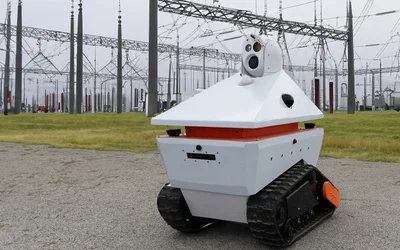
Autonomous Vehicles (AVs) are poised to revolutionize human transportation by making it more safe, comfortable, and reliable. From passenger travel to cargo transportation, AVs equipped with AI and sensors offer tremendous potential.
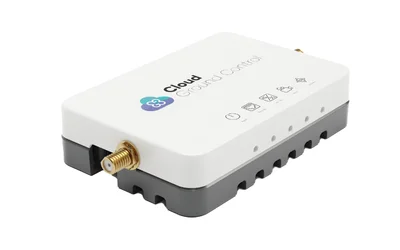
CGConnect, its cellular micro-modem that uses 4G/5G networks to link any drone or robotic vehicle to Cloud Ground Control’s cloud-based drone fleet management platform, enabling live-streaming, command and control from a web browser.
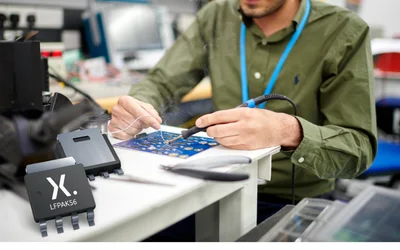
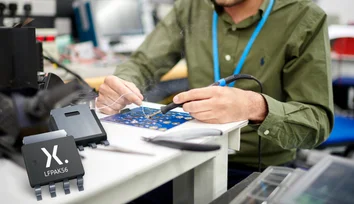
More than 20 years ago, a team set out to solve a problem: How do we reduce power loss and help reduce MOSFET size at the same time? LFPAK was the answer - and it changed everything.
In this episode, we explore the groundbreaking achievement of AI-directed driverless drifting by Stanford Engineering and Toyota Research Institute and discover how this collaboration is pushing the boundaries of autonomous vehicle technology, setting a milestone in the field of AI-powered driving.
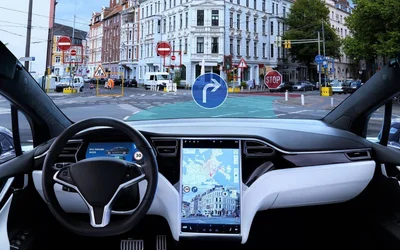
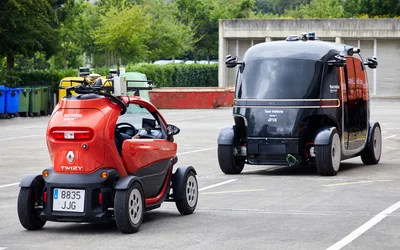
If self-driving vehicles can navigate this complex road challenge safely, the learnings could help advance the safety of automated driving in urban scenarios.
If drivers could choose any available car as a starting point, ride-hailing services could become cheaper as energy and labor are used more efficiently.
The upcoming "Machine Learning for Safety Experts" training by SAE and Fraunhofer IKS in Munich on October 22-23, 2024 is a timely initiative. It will address this crucial skill gap and ensure engineers are well-equipped to handle the intricacies of safe Machine Learning applications.
In this episode, we discuss how a PhD student from the Technical University of Eindhoven might’ve cracked the code for high performance computer vision without compromising efficiency.
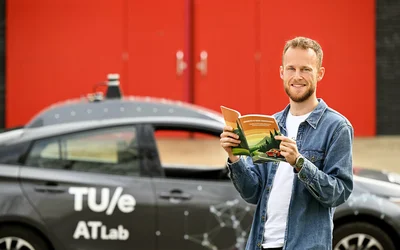
In his doctoral research, Daan de Geus worked on advanced image processing methods that allow robots and cars to better recognize what they see around them.
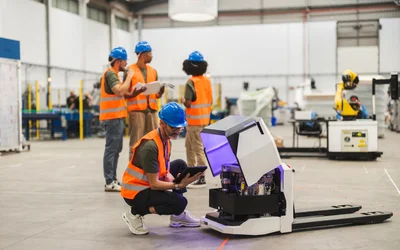
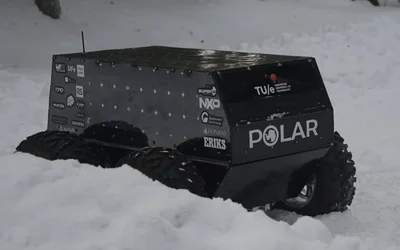
Autonomous robotics must anticipate and plan for the unexpected, often in harsh, changing environments. We take a deep dive into these challenges by exploring design considerations beyond those associated with conventional PCBAs.