Featuredreport
"Safety first” is more than a catchphrase. For sensing company Provizio, it’s the only way the transportation industry should introduce autonomous vehicles.
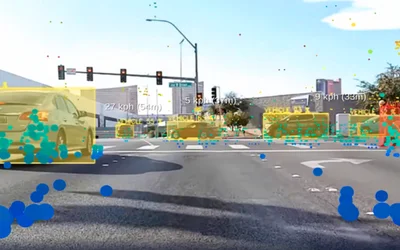
"Safety first” is more than a catchphrase. For sensing company Provizio, it’s the only way the transportation industry should introduce autonomous vehicles.
"Safety first” is more than a catchphrase. For sensing company Provizio, it’s the only way the transportation industry should introduce autonomous vehicles.
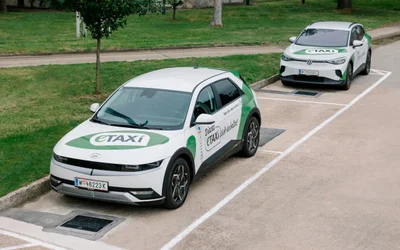
The switch to e-mobility is also taking shape in Austrian cab fleets. This year, ten cab ranks and 66 e-vehicles will be retrofitted with "Matrix Charging" in Vienna and Graz as part of the "eTaxi Austria" project.
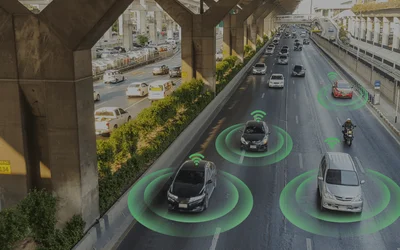
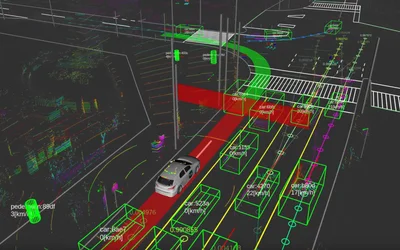
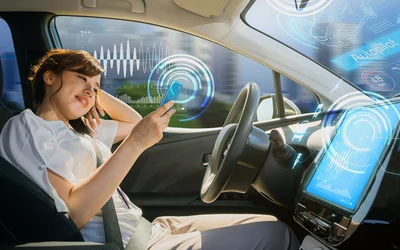
Autonomous Vehicles (AVs) are poised to revolutionize human transportation by making it more safe, comfortable, and reliable. From passenger travel to cargo transportation, AVs equipped with AI and sensors offer tremendous potential.
16 minutes read.
14 minutes read.
18 minutes read.
10 minutes read.
16 minutes read.


Robotics and Drones
We empower R&D by providing the computational power, ROS packages, payloads...
14 Posts

Test and Measurement equipment
Keysight Technologies, Inc. (NYSE: KEYS) is a leading technology company th...
11 Posts

Electro-Mechanical Component Manufacturing
ISL Products is an engineering oriented designer and manufacturer of value-...
9 Posts
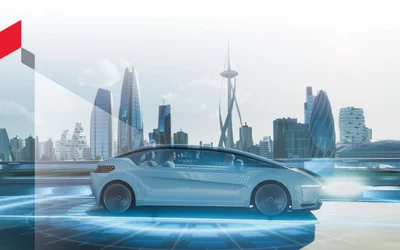
Examining the latest developments in self-driving vehicles.
Autonomous Vehicles (AVs) are poised to revolutionize human transportation by making it more safe, comfortable, and reliable. From passenger travel to cargo transportation, AVs equipped with AI and sensors offer tremendous potential.
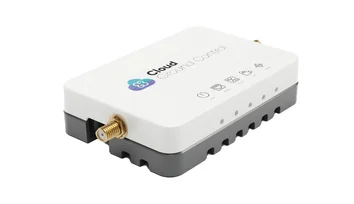
CGConnect, its cellular micro-modem that uses 4G/5G networks to link any drone or robotic vehicle to Cloud Ground Control’s cloud-based drone fleet management platform, enabling live-streaming, command and control from a web browser.
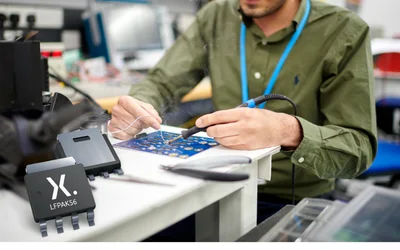
More than 20 years ago, a team set out to solve a problem: How do we reduce power loss and help reduce MOSFET size at the same time? LFPAK was the answer - and it changed everything.
As robotics shifts from innovation showcases to real-world deployment, motion systems play a vital role in this next stage of robotics.
Specialized design and manufacturing of robotic systems for chemical, nuclear, and high-risk industrial applications.
The Companies and Concepts Redefining Tomorrow's Industries
Safe autonomy in various vehicle systems and in uncertain conditions.
"Safety first” is more than a catchphrase. For sensing company Provizio, it’s the only way the transportation industry should introduce autonomous vehicles.

4 minutes read
Download the limited edition free report now.
The switch to e-mobility is also taking shape in Austrian cab fleets. This year, ten cab ranks and 66 e-vehicles will be retrofitted with "Matrix Charging" in Vienna and Graz as part of the "eTaxi Austria" project.

3 minutes read
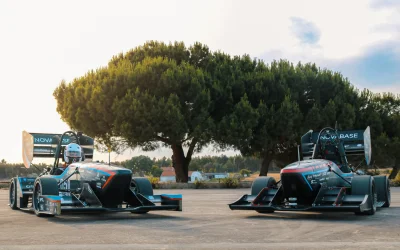
The Formula Student Team FST Lisboa from Portugal makes use of various 3D printing technologies to build next-generation electric and autonomous driving race cars. For their current prototypes, Sintratec has sponsored multiple laser sintered components to the students.

4 minutes read
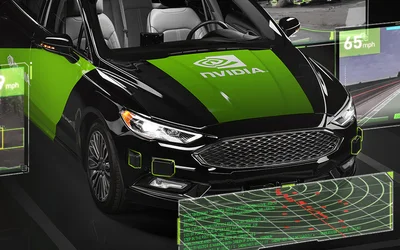
Danny Shapiro, the Vice President of Automotive at NVIDIA discusses the challenges, breakthroughs, and vision that are propelling autonomous vehicles into the next era.
In this interview, Samet Kütük, a board member of the Autoware Foundation - the partner of this report - shares the crucial role of open-source initiatives for autonomous driving
In this interview Christian Thiele, Director, Global Vehicle Standards at SAE discusses advanced mobility, knowledge sharing and automotive solutions for the benefit of humanity.
Sponsor interview with members of the Nexperia Engineering Team about the increasing demands of Advanced Driver-Assistance Systems (ADAS) in autonomous vehicles.
Interview with Misha Govshteyn, the CEO of MacroFab and Brenden Duncombe, the Director of Customer Engineering.
Sponsor interview with Theresa Hackl, Application Marketing Engineer, Komei Takura, Senior Business Development Manager for Mobility and Yoichi Murakami, Senior Product Manager for Function Devices at Murata.
Sponsor interview with Mark Patrick, the Director of Technical Content, EMEA at Mouser Electronics.
Examining the latest developments in self-driving vehicles.
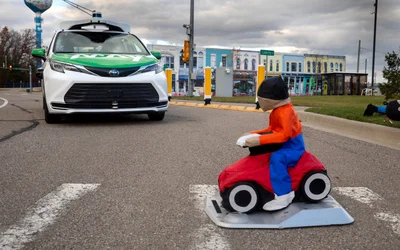
The University of Michigan, May Mobility and the City of Detroit look to boost public trust in self-driving vehicle technology.

3 minutes read
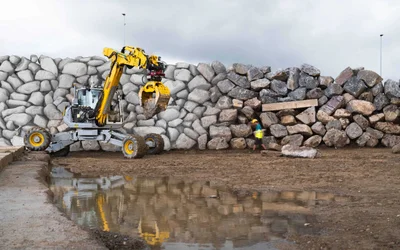
ETH Zurich researchers taught an autonomous excavator to construct dry stone walls itself using boulders weighing several tonnes and demolition debris.

The Precision Fair 2023 served as a platform for professionals to share knowledge, explore new ideas, and witness the latest technological advancements, underlining the sector's vital role in various industries and scientific research.