Featured
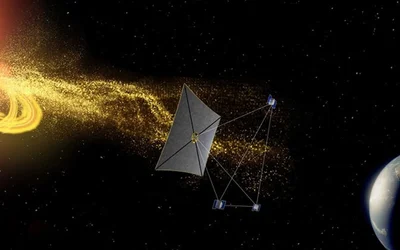
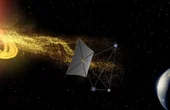
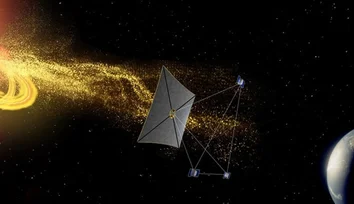
A spacecraft that sails on light could provide new vantage point on solar eruptions that can disrupt modern electrical and navigation systems.

This white paper explains how precision timing solutions support reliable PNT architectures across aerospace, defense, and industrial systems.
A spacecraft that sails on light could provide new vantage point on solar eruptions that can disrupt modern electrical and navigation systems.
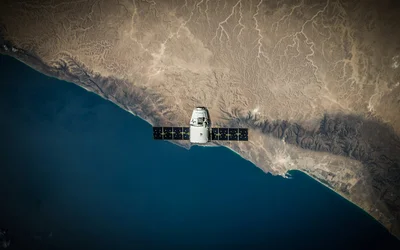
In space, maintenance isn't possible, so satellites must operate reliably for their entire mission. This makes fault detection, isolation, and recovery (FDIR) a critical requirement in satellite design.
New research enables computer designs to incorporate the limitations of 3D printers, to better control materials' performance in aerospace, medical, and other applications.
Aerospace CNC machining is the backbone of modern aircraft production. This guide explains the theory and practice behind it.
12 minutes read.
16 minutes read.
16 minutes read.
9 minutes read.

Robotics and Drones
We empower R&D by providing the computational power, ROS packages, payloads...
14 Posts
Learn why growing hardware teams slow down as they scale, and how aligned workflows, parallel collaboration, and real-time design visibility restore speed and momentum.
How standardized electronic identification will enable high-volume, complex drone operations.
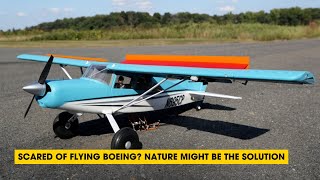
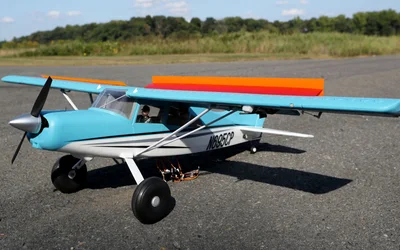
In this episode, we explore how the mechanics of bird wings are inspiring new approaches to prevent airplanes from stalling and learn how bio-mimetic designs from nature are paving the way for innovations in aviation, enhancing stability and safety for future flights.
Taking inspiration from bird feathers, Princeton engineers have found that adding rows of flaps to a remote-controlled aircraft’s wings improves flight performance and helps prevent stalling, a condition that can jeopardize a plane’s ability to stay aloft.
In this episode, we explore NASA's successful test of a powerful new lithium-fed electric thruster that could one day power human missions to Mars.
A novel electromagnetic thruster passed an initial test in a specialized chamber at JPL. With further development, these thrusters could support human missions to the Red Planet.
Humanity's drive to explore has taken us across the solar system, with astronaut boots, various landers and rovers' wheels exploring the surfaces of several different planetary bodies.
A spacecraft that sails on light could provide new vantage point on solar eruptions that can disrupt modern electrical and navigation systems.
A spacecraft that sails on light could provide new vantage point on solar eruptions that can disrupt modern electrical and navigation systems.

5 minutes read
In space, maintenance isn't possible, so satellites must operate reliably for their entire mission. This makes fault detection, isolation, and recovery (FDIR) a critical requirement in satellite design.
New research enables computer designs to incorporate the limitations of 3D printers, to better control materials' performance in aerospace, medical, and other applications.
The applications of 3D printing span many industries, from aircraft fuel nozzles to dental aligners. Here we look at some of the most important uses of the technology.
D328® UpLift is being converted into a flying laboratory for subjecting sustainable aviation concepts to real-world conditions, to bring them into practice more quickly.

4 minutes read
Small devices can loft into mesosphere for climate sensing

4 minutes read
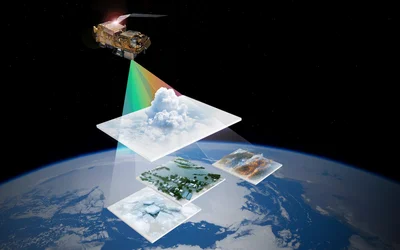
METimage will deliver highly accurate global measurements of clouds, water vapour and aerosols, land- and sea-surface temperatures, ice cover, vegetation and wildfires.
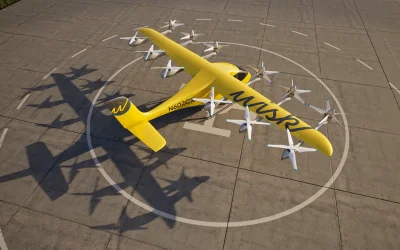
JR Hammond and CAAM advocate the path toward Canada's Advanced Air Mobility Future.

5 minutes read
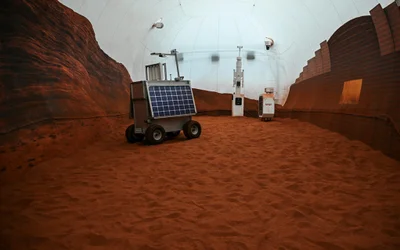
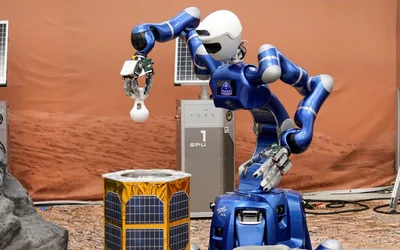
On 24 July, the Surface Avatar team carried out the final and most challenging experiment of the campaign to date. Astronaut Jonny Kim, aboard the Space Station, took command of the intelligent robot team on the ground, which helped him safely explore the 'Martian landscape' and collect samples
6 minutes read
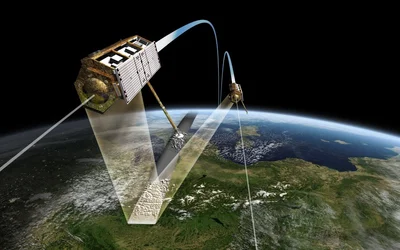
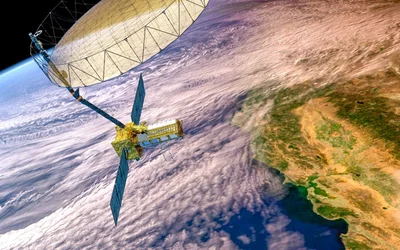
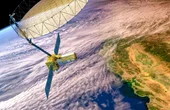
When the NASA-ISRO SAR satellite launches into orbit on July 30, it will ping nearly all of the planet's land and ice surfaces with a form of imaging called synthetic aperture radar twice every 12 days.

4 minutes read
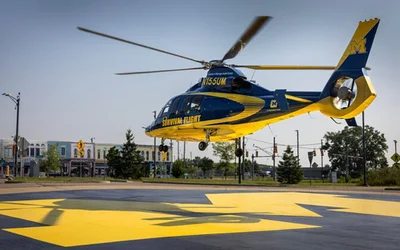
The newly designated airspace links U-M's autonomy testbed with Detroit's innovation district.
5 minutes read
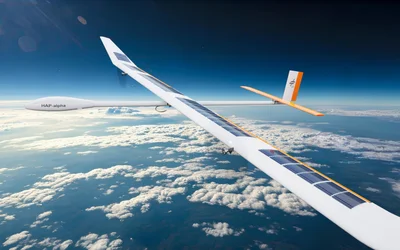
High-altitude uncrewed aircraft can remain in the lower stratosphere for extended periods, performing a wide range of Earth observation and communications tasks – from monitoring shipping lanes and supporting disaster response to providing internet access.
3 minutes read
New research studying shape memory alloys with AI may allow fighter jets to transform into the future with the help of new materials.

3 minutes read
The new MAESTRO by Hexagon is setting a new benchmark in CMM technology with its fast, user-friendly and fully connected design to meet the real-time demands of aerospace & defence manufacturer.
Researchers are testing a virtual assistant that may help astronauts solve unexpected problems during space travel.
3 minutes read