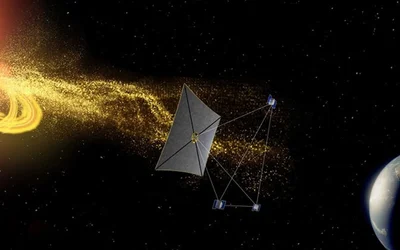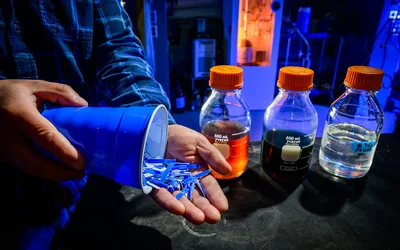
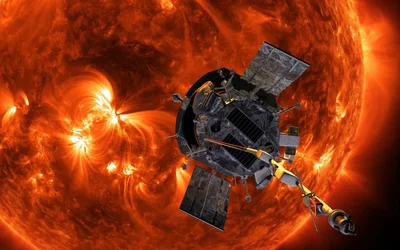
Some carbon-based solar cells already show no drop in performance after three years’ worth of radiation, and the cause of degradation in others could be preventable.

The H3 Launch Vehicle is a next-generation rocket. It was developed jointly by Mitsubishi Heavy Industries, Ltd. (hereinafter "Mitsubishi Heavy Industries") and the Japan Aerospace Exploration Agency (JAXA). The H3 Launch Vehicle is large for a liquid oxygen/liquid hydrogen rocket.
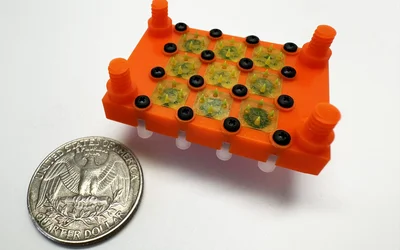
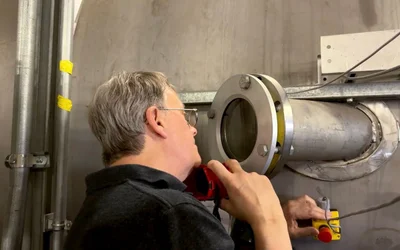
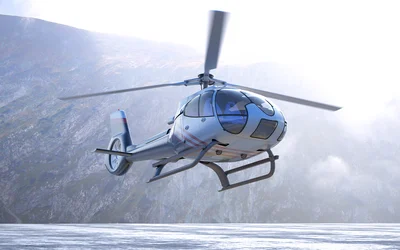
In the aviation industry, a gyrocopter manufacturer employs Scantech’s advanced optical 3D measurement system, TrackScan-Sharp. This cutting-edge technology enables precise and efficient scans of intricate components, enhancing product development and inspection.
Learn why growing hardware teams slow down as they scale, and how aligned workflows, parallel collaboration, and real-time design visibility restore speed and momentum.
In this episode, we explore how the mechanics of bird wings are inspiring new approaches to prevent airplanes from stalling and learn how bio-mimetic designs from nature are paving the way for innovations in aviation, enhancing stability and safety for future flights.
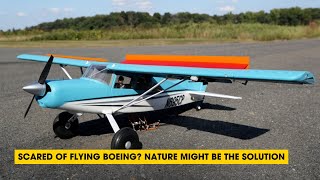
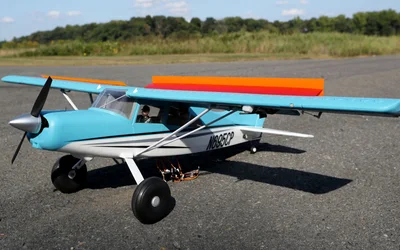
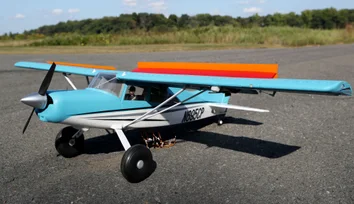
Taking inspiration from bird feathers, Princeton engineers have found that adding rows of flaps to a remote-controlled aircraft’s wings improves flight performance and helps prevent stalling, a condition that can jeopardize a plane’s ability to stay aloft.
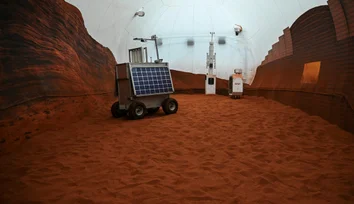
Humanity's drive to explore has taken us across the solar system, with astronaut boots, various landers and rovers' wheels exploring the surfaces of several different planetary bodies.
In space, maintenance isn't possible, so satellites must operate reliably for their entire mission. This makes fault detection, isolation, and recovery (FDIR) a critical requirement in satellite design.
Some carbon-based solar cells already show no drop in performance after three years’ worth of radiation, and the cause of degradation in others could be preventable.
The H3 Launch Vehicle is a next-generation rocket. It was developed jointly by Mitsubishi Heavy Industries, Ltd. (hereinafter "Mitsubishi Heavy Industries") and the Japan Aerospace Exploration Agency (JAXA). The H3 Launch Vehicle is large for a liquid oxygen/liquid hydrogen rocket.
In the aviation industry, a gyrocopter manufacturer employs Scantech’s advanced optical 3D measurement system, TrackScan-Sharp. This cutting-edge technology enables precise and efficient scans of intricate components, enhancing product development and inspection.
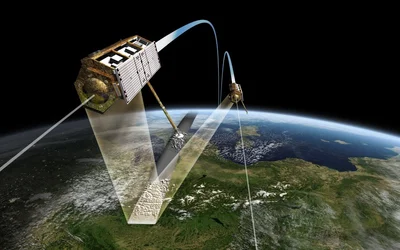
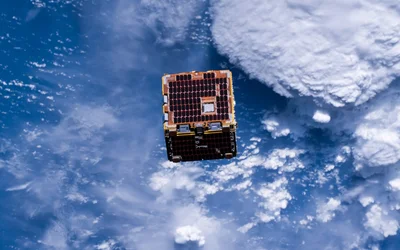
Earth-observation satellites deliver data for a wealth of applications – from monitoring climate change and documenting war crimes to planning disaster relief and assessing snow depth. ETH researchers are also big beneficiaries.
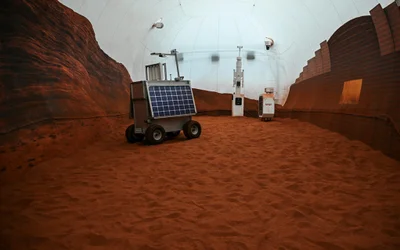
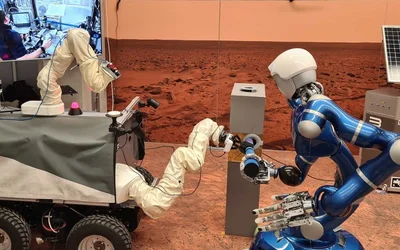
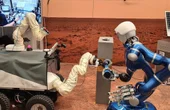
The German Aerospace Center (Deutsches Zentrum für Luft- und Raumfahrt; DLR) has been researching how payload boxes, sensors, rovers and astronauts can connect to form an integrated network.
Listen to industry experts from Quest Global discuss how digital twins are transforming aerospace and defense manufacturing by cutting design cycles, driving predictive maintenance, and improving manufacturing efficiency.
EPFL researchers have built a drone that can walk, hop, and jump into flight with the aid of birdlike legs, greatly expanding the range of potential environments accessible to unmanned aerial vehicles.
How digital threads enhance lifecycle resilience, ensuring seamless data flow, robust cybersecurity, and adaptability to tackle supply chain disruptions and evolving aerospace challenges.
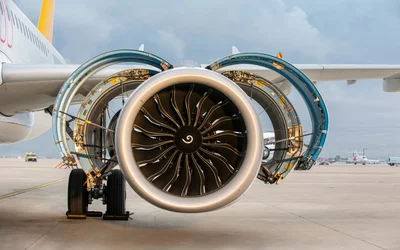
Hydrogen-powered planes are set to take wing around the world in the future. To make this possible, engineers have to develop the jet engines that will power them. Experiments by researchers at ETH Zurich are now providing the necessary basis for making these engines powerful and durable.
This article highlights non-terrestrial networks at high altitudes, focusing on R&D and testing efforts to support next-generation telecommunications standards, Beyond 5G and 6G.
Aerospace and defense manufacturing faces strict quality demands where non-conformance disrupts efficiency. Read how Quest Global is leading the transformation to a more proactive, data-driven approach that delivers unprecedented levels of control, reliability, and efficiency across the industry.
Learn how manufacturers are leveraging IoT, AI, and automation to tackle global competition, meet sustainability goals, and enhance customization at Hexagon Live on November 27th-28th.