This Report shows how tools like artificial intelligence, digital twins, and on-demand manufacturing are no longer emerging concepts, but are already delivering measurable impact across the product lifecycle.
Research using quantum-mechanical computation will be used to identify combinations of elements that have the most promise for load-bearing applications
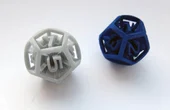
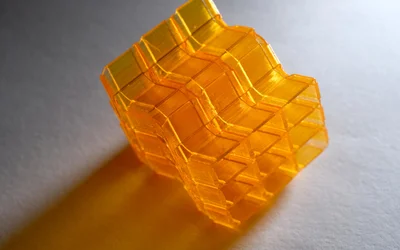
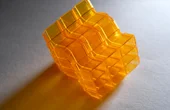
By merging the ancient art of origami with 21st century technology,researchers have created a one-step approach to fabricating complex origami structures whose light weight,expandability,and strength could have applications in everything from biomedical devices to equipment used in space exploration
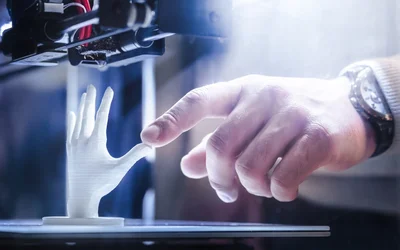
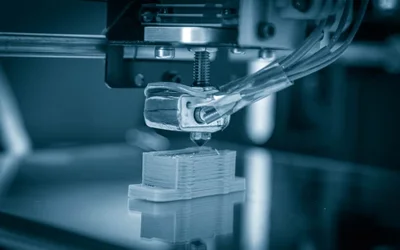
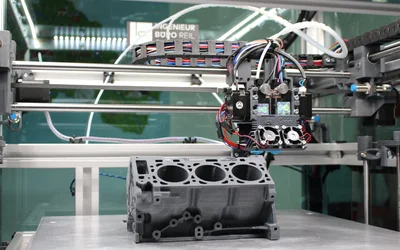
What is 3D printing? This article goes over the basics of 3D printing, otherwise known as additive manufacturing, covering its engineering principles and applications.
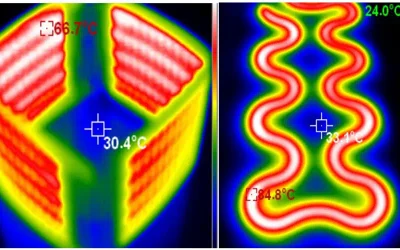
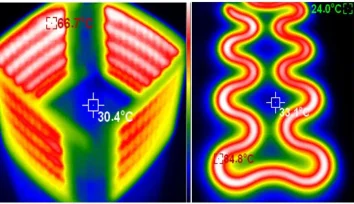
E2IP Technologies manufactures Flexible Heaters using Screen Printing Technology. This is one of the most important segments of printed and additive electronics with applications in cars, homes, and industrial settings.
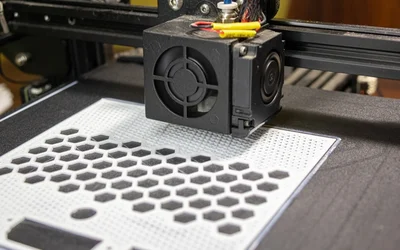
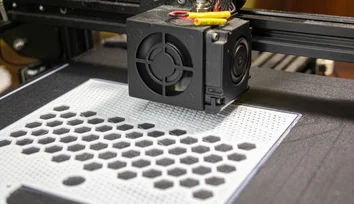
Here’s what to do if you notice clicking noises, under-extrusion, or other print quality issues caused by extruder skipping on the Ender 3 by Creality.
Unwanted lines in 3D prints can show up for many reasons and take different forms. Here we look at the most common types of lines in 3D prints and how to eliminate them.
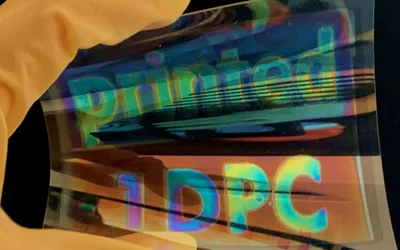
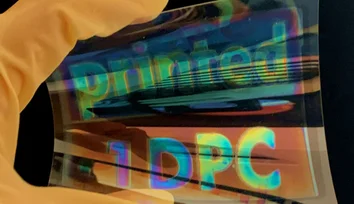
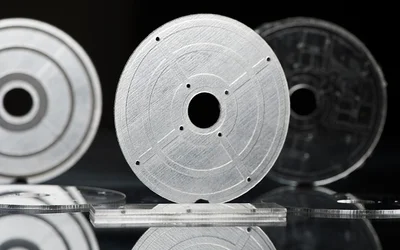
KIT researchers are developing a process with which, for the first time, mirrors with a reflection of more than 99 percent can be printed in variable sizes
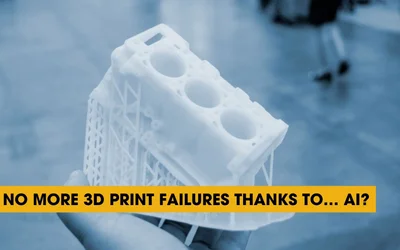
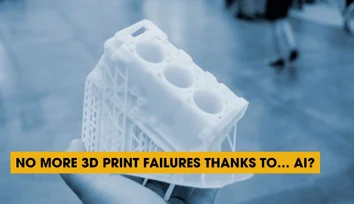
In this episode, we explore how researchers have developed an AI system that can watch a 3D print as it's being made, detect mistakes, and automatically correct them before the print fails
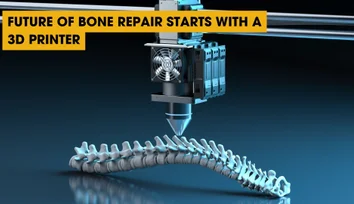
In this episode, we explore a new 3D printable material that can quickly transform into a strong, bone-like scaffold capable of supporting new bone growth. Learn how this breakthrough could lead to faster recovery times and improve treatments for patients with serious bone injuries.
A live panel on how China, Europe, and the US are building, certifying, and reconciling additive manufacturing standards, and where those approaches still don't line up.
Research using quantum-mechanical computation will be used to identify combinations of elements that have the most promise for load-bearing applications
By merging the ancient art of origami with 21st century technology,researchers have created a one-step approach to fabricating complex origami structures whose light weight,expandability,and strength could have applications in everything from biomedical devices to equipment used in space exploration
A new understanding of the mechanics of dragonfly larvae respiration and maneuvering could lead to the next generation of prosthetic heart valves, say Caltech engineers.
A team of researchers from the Georgia Institute of Technology has developed a way to use 3-D printers to create objects capable of expanding dramatically that could someday be used in applications ranging from space missions to biomedical devices.
Additive manufacturing, also known as 3-D printing, is replacing conventional fabrication processes in critical areas ranging from aerospace components to medical implants.
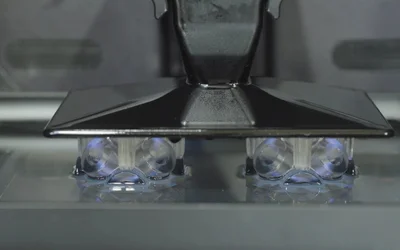
DLP (Digital Light Processing) 3D printing uses photopolymerization to create 3D objects. Understanding the photopolymerization process can help you mitigate common problems that make your prints fail or that reduce print quality.
What is DLP is a 3D printing? This article aims to provide an in-depth understanding of DLP 3D printing, its working principles, advantages, limitations, and diverse applications in various sectors.