This Report shows how tools like artificial intelligence, digital twins, and on-demand manufacturing are no longer emerging concepts, but are already delivering measurable impact across the product lifecycle.
The current revolution brought by 3D printing extends to the most surprising applications, even the ones as far removed as possible from the traditional “geek” sphere. One example: fashion!
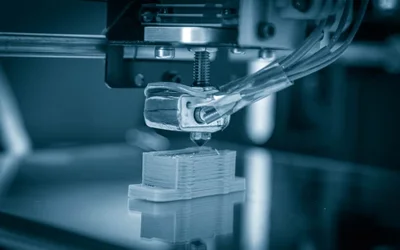
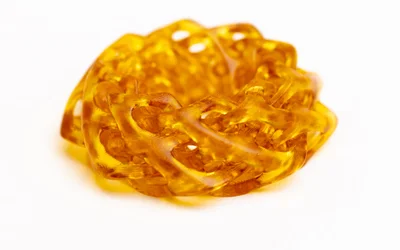
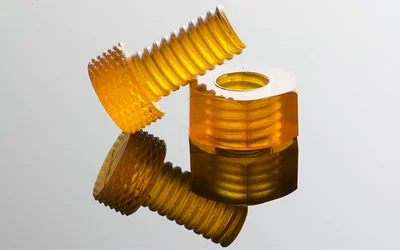
Most traditional 3D printers create a shape by excreting a synthetic resin layer by layer, which is then hardened using UV light. Thanks to the abundance of scientific activity in this field, we have a number of resins and 3D printing methods to choose from.
Metal 3D printing can also be known as DMLS (Direct Metal Laser Sintering), and DMLM (Direct Metal Laser Melting) is an additive layer technology. A metal 3D printer uses a laser beam to melt 20-60 micron layers of metal powder on top of one another.
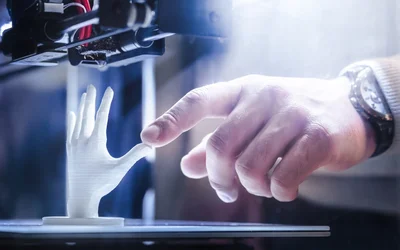
What is 3D printing? This article goes over the basics of 3D printing, otherwise known as additive manufacturing, covering its engineering principles and applications.
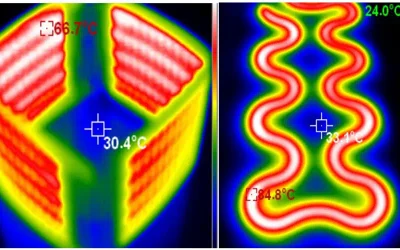
E2IP Technologies manufactures Flexible Heaters using Screen Printing Technology. This is one of the most important segments of printed and additive electronics with applications in cars, homes, and industrial settings.
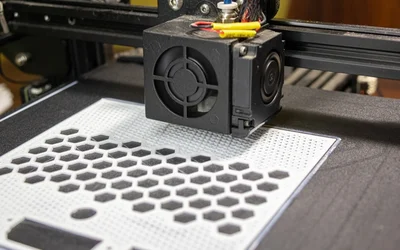
Here’s what to do if you notice clicking noises, under-extrusion, or other print quality issues caused by extruder skipping on the Ender 3 by Creality.
Unwanted lines in 3D prints can show up for many reasons and take different forms. Here we look at the most common types of lines in 3D prints and how to eliminate them.
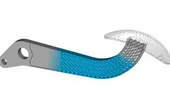
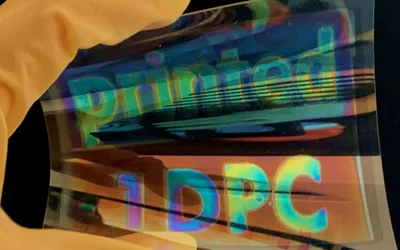
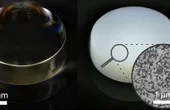
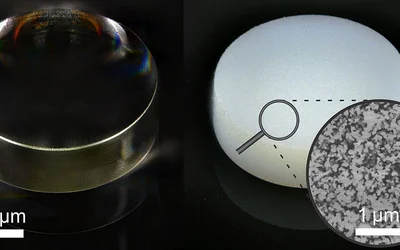
KIT researchers are developing a process with which, for the first time, mirrors with a reflection of more than 99 percent can be printed in variable sizes
Join the largest gathering of industrial 3D printing and additive manufacturing professionals in North America. Discover emerging technologies, hear from leading innovators, and make connections that drive real industrial impact.
The current revolution brought by 3D printing extends to the most surprising applications, even the ones as far removed as possible from the traditional “geek” sphere. One example: fashion!
Most traditional 3D printers create a shape by excreting a synthetic resin layer by layer, which is then hardened using UV light. Thanks to the abundance of scientific activity in this field, we have a number of resins and 3D printing methods to choose from.
Metal 3D printing can also be known as DMLS (Direct Metal Laser Sintering), and DMLM (Direct Metal Laser Melting) is an additive layer technology. A metal 3D printer uses a laser beam to melt 20-60 micron layers of metal powder on top of one another.
What are the best 3D printing tips for 3D printing enthusiasts and professionals? Let’s discover the checklist you need to follow to get the best 3D printed object possible.
A New Jersey-based product development studio has paired with an algorithm developer and one of the nation’s leading animal orthotists to optimize the process of creating full-limb pet prosthetics.
What is the difference between SLA technology and SLS technology? Today we’d like to share with you the similarities and differences of these 3D Printing technologies and materials, in order to help you figure out what technology you need for your 3D printing project.
Think all 3D printers produce plastic parts? Well, (you know what’s coming…) think again! From 3D printing human tissue to metal, glass and even mashed potatoes, new materials seem to come up nearly every day! Here are a few that caught our attention lately.
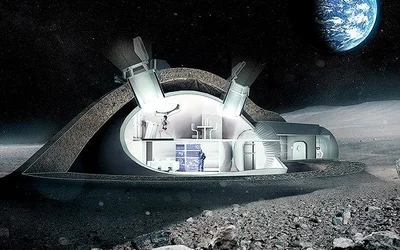
While it seems like we have only skimmed the surface of all the ways 3D printing could eventually transform our lives, it increasingly emerges as a truly out-of-this-world component.
Hyperganic, a company based in Munich, Germany, develops a software platform that uses artificial intelligence for the advanced design and engineering of highly complex components, structures and entire machines.