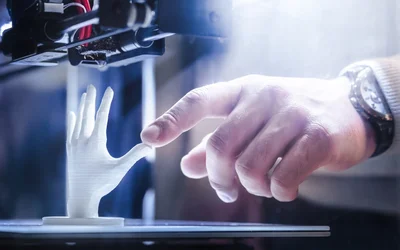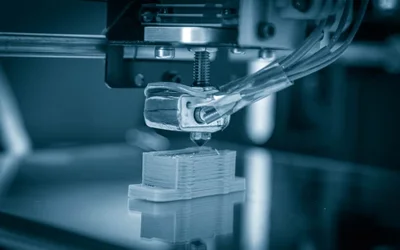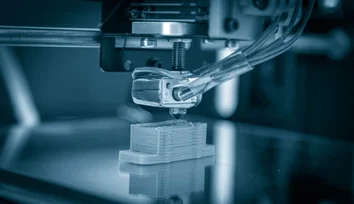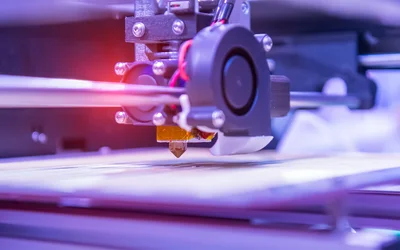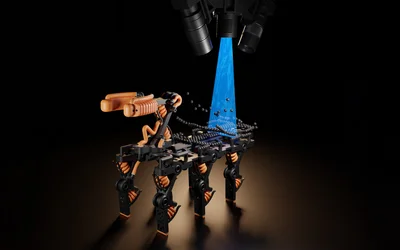
What is 3D printing? This article goes over the basics of 3D printing, otherwise known as additive manufacturing, covering its engineering principles and applications.
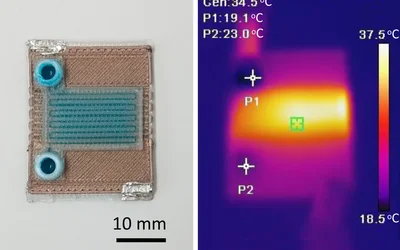
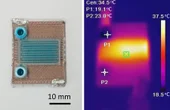
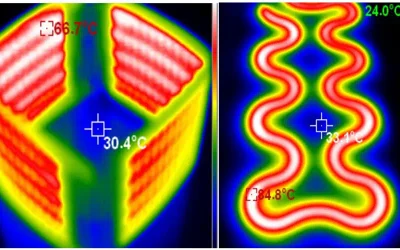
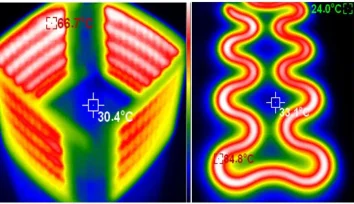
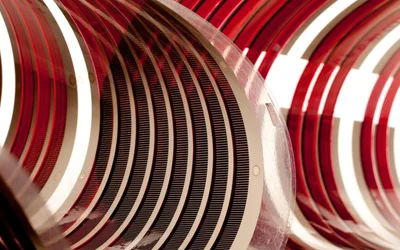
E2IP Technologies manufactures Flexible Heaters using Screen Printing Technology. This is one of the most important segments of printed and additive electronics with applications in cars, homes, and industrial settings.
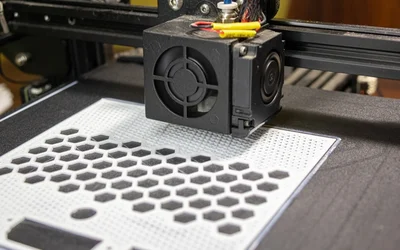
Here’s what to do if you notice clicking noises, under-extrusion, or other print quality issues caused by extruder skipping on the Ender 3 by Creality.
Unwanted lines in 3D prints can show up for many reasons and take different forms. Here we look at the most common types of lines in 3D prints and how to eliminate them.
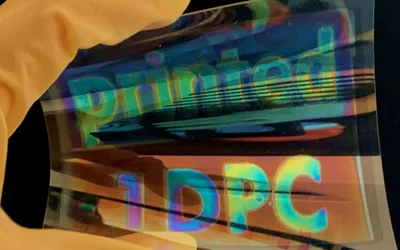
KIT researchers are developing a process with which, for the first time, mirrors with a reflection of more than 99 percent can be printed in variable sizes
In this episode, we talk about Zeiss - one of the global leaders for high precision metrology equipment - leveraging additive manufacturing to streamline their production process from the design stage to assembly and how they’re able to do all this while satisfying their customers' ever specific needs effectively and efficiently.
There are three big topics that shape the production environment of today and tomorrow: digitalization, additive manufacturing, and preserving natural resources/zero waste. Learn how inkjet printing achieves these in PCB manufacturing.
3D printing offers a world of possibilities for creating functional parts that are more affordable and customizable than those made with traditional manufacturing techniques. However, you have to be careful to match the material you are printing to your specific performance requirements. The recently released UltiMaker PET CF is a carbon fiber composite material that has impressive strength, stiffness, and heat resistance properties, making it perfect for creating high-performance parts.
When it comes to FFF (Fused Filament Fabrication) 3D printing, selecting the appropriate printing material is crucial and should never be underestimated.
Today, BigRep’s large-format 3D printers are used for an incredibly broad range of applications, from large-scale models and prototypes to industrial end-use parts. It goes without saying that its range of 3D printer models are vital to this diversity, but the company’s materials, all optimized for large-format printing, also play a crucial role.
With 3D printing technology, whether for prototypes, individual parts or small series, seemingly impossible geometries can be produced quickly, precisely and cost-effectively. Speed and free design possibilities are the key features of this technology.
The rapid evolution of 3D printing technology has made it faster, more automated and capable of greater production volumes. Developments have reached a point where the technology offers manufacturers significant production value. It means manufacturing costs can be significantly reduced in all aspects of manufacturing, all the way from R&D to actual production.
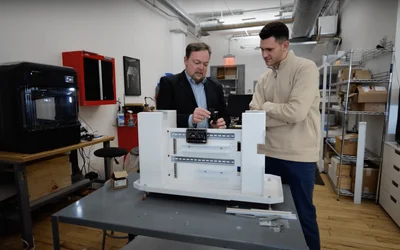
Jigs and fixtures are essential tools on any assembly floor, test lab, or machine shop. In this article, we will go over what they are and how you can supercharge your jigs and fixtures by 3D printing them using carbon fiber composites.