Featured
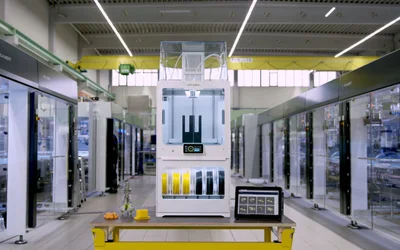
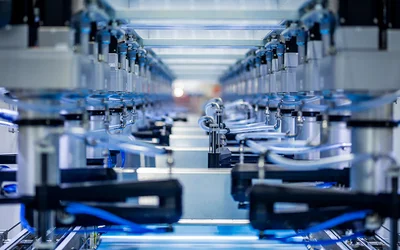
TLM technology allows Schubert to provide its customers with future-proof, high-performance packaging machine solutions that are reliable, easy to operate, and flexible in terms of format conversion.
This Report shows how tools like artificial intelligence, digital twins, and on-demand manufacturing are no longer emerging concepts, but are already delivering measurable impact across the product lifecycle.
TLM technology allows Schubert to provide its customers with future-proof, high-performance packaging machine solutions that are reliable, easy to operate, and flexible in terms of format conversion.
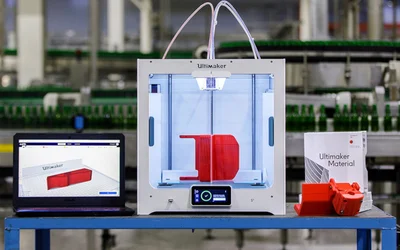
With over 150 breweries around the world, Heineken is one of the largest global producers of beer. One brewery in Seville, Spain, produces famous brands such as Cruzcampo, Desperados, Heineken, and Amstel. The beer is brewed, packed, and then shipped throughout Spain and beyond.
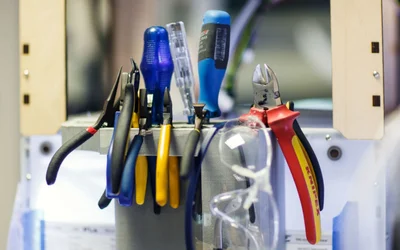
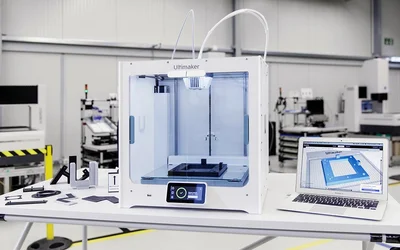
To get the best from your 3D printer, you need to be armed with the right tools for the job. From removing support material to improving build plate adhesion, here’s a list of must-have tools, all designed to make your life easier.
An engineer’s guide to understanding the state of the art in metal 3D Printing
15 minutes read.
22 minutes read.
11 minutes read.
18 minutes read.
12 minutes read.
16 minutes read.


Entertainment
The Next Byte Podcast is hosted by two young engineers - Daniel and Farbod - who select the most interesting tech/engineering cont...
165 Posts
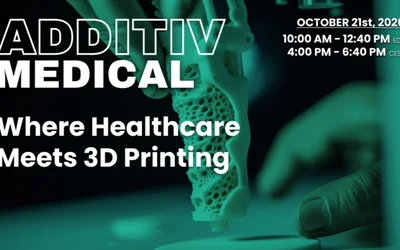
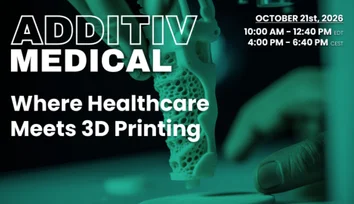
ADDITIV Medical 2026 will bring together more than 500 medical professionals
Choosing between 3D printing and injection molding is one of the key decisions in product development—especially in case of prototyping.
The choice between 3D printing and CNC machining is the most common decision regarding manufacturing methods that must be made before placing the first order for prototypes. The correct answer depends on tolerance requirements, material specifications, component geometry, and schedule.
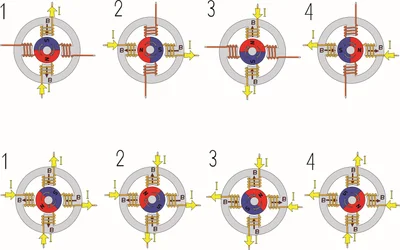
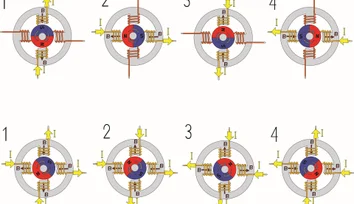
How microstepping works in stepper motors, the incremental torque cost of each resolution, and why finer microsteps do not improve positioning accuracy.
Discover how iAM Marketplace simplifies industrial additive manufacturing by unifying materials, validation services, and multi-brand technologies into one open ecosystem for efficient AM sourcing.
This article discusses what attendees can expect from TCT Asia 2026, including its conference format, focus areas, and the experts contributing to industry-specific discussions.
This article discusses the exhibitors, products, and industrial trends defining additive manufacturing across the Asia-Pacific region at TCT Asia 2026.
This article discusses how the Asia-Pacific region is advancing additive manufacturing and the role of TCT Asia as the leading 3D printing and additive manufacturing event in the Asia-Pacific.
TLM technology allows Schubert to provide its customers with future-proof, high-performance packaging machine solutions that are reliable, easy to operate, and flexible in terms of format conversion.

4 minutes read
With over 150 breweries around the world, Heineken is one of the largest global producers of beer. One brewery in Seville, Spain, produces famous brands such as Cruzcampo, Desperados, Heineken, and Amstel. The beer is brewed, packed, and then shipped throughout Spain and beyond.
5 minutes read
To get the best from your 3D printer, you need to be armed with the right tools for the job. From removing support material to improving build plate adhesion, here’s a list of must-have tools, all designed to make your life easier.
6 minutes read
Chemical-resistant materials are vital for many 3D printing applications. Corrosive chemicals can’t permeate their surface or cause degradation, making them ideal for industrial or end-use parts.
4 minutes read
It is essential to properly prepare a print file before you begin the actual 3D printing process. There are many ways to do this, depending on the type of part, materials used, and many other factors.
4 minutes read
Flame-retardant materials are vital in some 3D printing applications. They’re more thermally stable than other materials, which means the likelihood of ignition or burning is reduced.
4 minutes read
Additive manufacturing is more and more used in the electronic industry. Discover why !

6 minutes read
Cody Cochran is the cofounder of Azoth LLC, an Ann Arbor, Michigan-based organization that focuses on combined traditional manufacturing quality with the efficiencies of rapid prototyping. He is also one of 2020’s Ultimaker Innovators.
2 minutes read
By rolling out a plan to 3D print in multiple locations within your organization – such as warehouses, factories, or assembly lines – you’ll soon enjoy a wealth of benefits, from increased productivity to cost savings.
3 minutes read
By combining cost-effective 3D printing with affordable electronics and wireless technology, new accessibility solutions empower children with limb differences.

3 minutes read
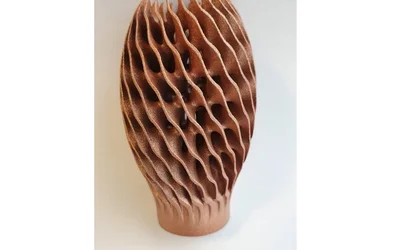
Commercially pure copper is a highly desirable material for heat exchangers and electrical components due to its excellent thermal and electrical properties. While these properties are beneficial for the application, they also turn the process of using copper in AM into a challenge.
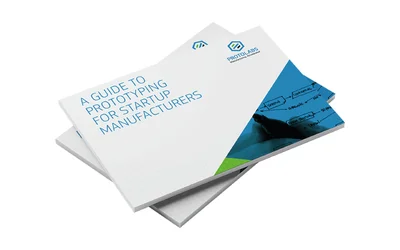
For a startup manufacturer getting that first product right is crucial for your reputation and future sales. First impressions really do count when you are building up your company and brand equity.

7 minutes read
For Carl Zeiss Optical Components, a subsidiary of Carl Zeiss Industrielle Messtechnik, precision matters – sometimes down to the hundredth of a millimeter. The company manufactures microscopes, multi-sensoric machines, and optical sensors for industrial measurement and quality assurance purposes
4 minutes read
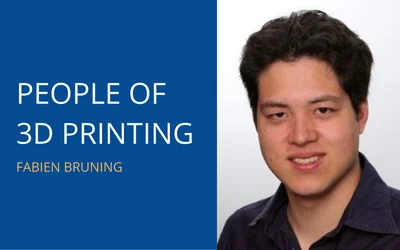
Discover the story of Fabien Bruning.
3 minutes read
Manufacturing throughout the product life cycle
3 minutes read