Featured
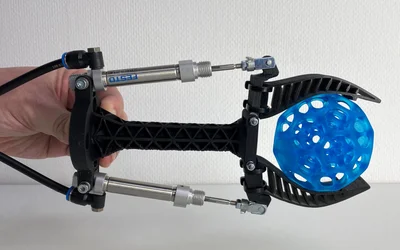
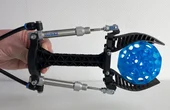
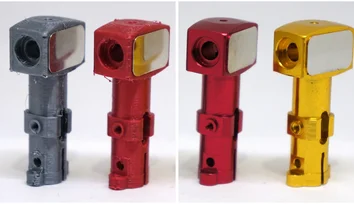
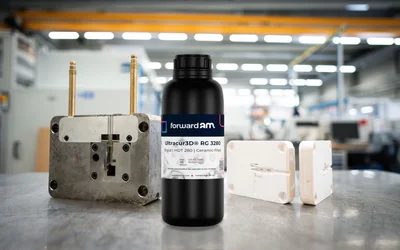
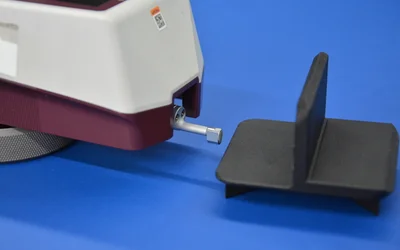
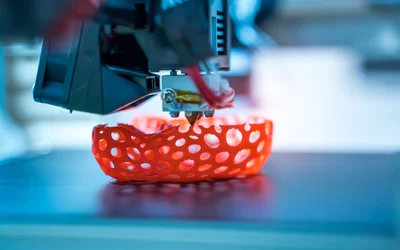
In this article, we explore how soft tooling 3D printing works and how it can enhance end-of-arm tooling as well as other applications. We use examples and case studies from BASF Forward AM.
This Report shows how tools like artificial intelligence, digital twins, and on-demand manufacturing are no longer emerging concepts, but are already delivering measurable impact across the product lifecycle.
In this article, we explore how soft tooling 3D printing works and how it can enhance end-of-arm tooling as well as other applications. We use examples and case studies from BASF Forward AM.
Read on to learn how material choice, print and slicer settings, and post-processing influence the strength of 3D printed parts.
3D printing post-processing techniques turn rough and incomplete models into functional, aesthetic parts that are ready for their end-use. This article looks at the main techniques available for both polymer and metal AM.
An engineer’s guide to understanding the state of the art in metal 3D Printing
15 minutes read.
22 minutes read.
11 minutes read.
18 minutes read.
12 minutes read.
16 minutes read.


Entertainment
The Next Byte Podcast is hosted by two young engineers - Daniel and Farbod - who select the most interesting tech/engineering cont...
165 Posts
ADDITIV Medical 2026 will bring together more than 500 medical professionals
Choosing between 3D printing and injection molding is one of the key decisions in product development—especially in case of prototyping.
Explore how the right finishes and coatings can improve aerospace parts by boosting durability, extending service life, enhancing environmental resistance, and delivering the performance and appearance required for demanding applications.
The choice between 3D printing and CNC machining is the most common decision regarding manufacturing methods that must be made before placing the first order for prototypes. The correct answer depends on tolerance requirements, material specifications, component geometry, and schedule.
Discover how iAM Marketplace simplifies industrial additive manufacturing by unifying materials, validation services, and multi-brand technologies into one open ecosystem for efficient AM sourcing.
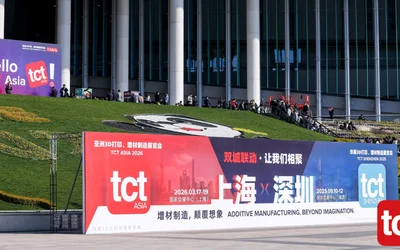
This article discusses what attendees can expect from TCT Asia 2026, including its conference format, focus areas, and the experts contributing to industry-specific discussions.
This article discusses the exhibitors, products, and industrial trends defining additive manufacturing across the Asia-Pacific region at TCT Asia 2026.
This article discusses how the Asia-Pacific region is advancing additive manufacturing and the role of TCT Asia as the leading 3D printing and additive manufacturing event in the Asia-Pacific.
In this article, we explore how soft tooling 3D printing works and how it can enhance end-of-arm tooling as well as other applications. We use examples and case studies from BASF Forward AM.
Read on to learn how material choice, print and slicer settings, and post-processing influence the strength of 3D printed parts.
3D printing post-processing techniques turn rough and incomplete models into functional, aesthetic parts that are ready for their end-use. This article looks at the main techniques available for both polymer and metal AM.
This article explains what roughness is in 3D printing, provides surface roughness measurements for SLS, MJF, FDM, DMLS, Carbon DLS, and Polyjet 3D prints and highlights the benefits of surface treatments to achieve a smooth surface for 3D printed parts.

5 minutes read
From low-cost plastic filament to engineering-grade titanium powder, the range of available 3D printing materials is wider than ever. Here we look at the key material categories.
In this episode, we discuss a new 3D printing approach by researchers at Columbia University that allows for desserts - specifically cheesecake - to be created using a 3D printer.

16 minutes read
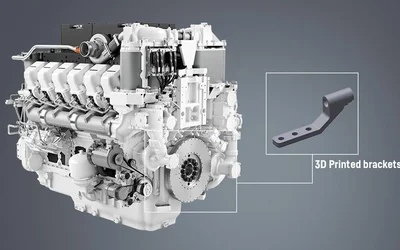
Full Metal Bracket for Liebherr Components with AM Consultancy and Filament from Forward AM

6 minutes read
3D printing, or additive manufacturing, has opened up a world of opportunity when it comes to design. Unconstrained by the limitations of traditional manufacturing processes, the technology has enabled breakthroughs in organic geometries, generative design, and lattice structures.
5 minutes read
The need for advancements in education and awareness of computational design thinking.

3 minutes read
3D Printers produce particulates and chemical fumes that can become a health hazard for their users. What are the factors that cause these adversities and how does ventilation help in avoiding them?
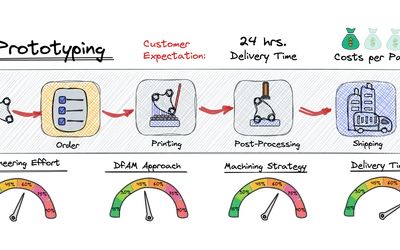
How Do You Manage Your AM Prototyping Efforts - Is Engineering or Delivery Time More Important to Satisfy Customers?
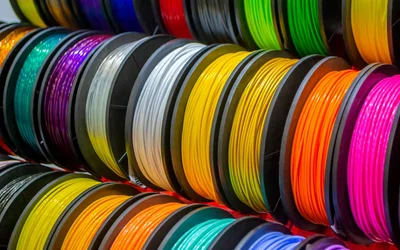
Beginners are often confused by the plethora of material options available for 3D Printing. In this article, we explore the different materials available and how their unique properties influence their utility.
Progress in printhead technologies, material science, and manufacturing processes has markedly enhanced the capabilities of inkjet printers. Inkjet printing has now discovered applications in an expanding variety of industries and processes.
While industries like aerospace and automotive have been using additive manufacturing technologies for many years, the marine sector has recently picked up the pace of adoption thanks to the benefits provided by Large Format Additive Manufacturing. Companies like yacht and ship-builders are quickly speeding up the introduction of large parts manufactured with technologies like Caracol's Heron AM.

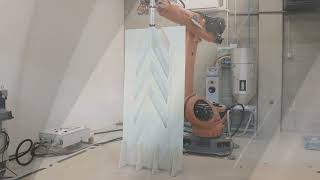
An engineer's guide to understanding the future of robotics manufacturing.