Featured

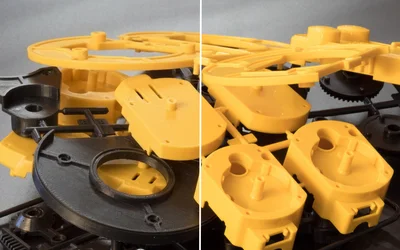
New materials like Cubic Ink 303 VP ESD and AzureFilms Prime HS deliver heat-deflection over 220 Degrees Celsius and matte finish quality - expanding plastics beyond prototyping into tooling and functional parts.

This Report shows how tools like artificial intelligence, digital twins, and on-demand manufacturing are no longer emerging concepts, but are already delivering measurable impact across the product lifecycle.
New materials like Cubic Ink 303 VP ESD and AzureFilms Prime HS deliver heat-deflection over 220 Degrees Celsius and matte finish quality - expanding plastics beyond prototyping into tooling and functional parts.
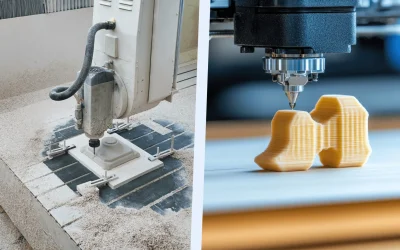
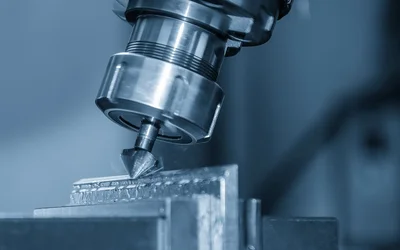
When it comes to creating plastic parts, choosing between CNC machining and 3D printing can feel like a tough call. This article breaks down the key differences between these two powerhouse technologies.
A Review of Presentations from CDFAM Computational Design Symposium Series, Past and Future
An engineer’s guide to understanding the state of the art in metal 3D Printing
15 minutes read.
22 minutes read.
11 minutes read.
18 minutes read.
12 minutes read.
16 minutes read.


Entertainment
The Next Byte Podcast is hosted by two young engineers - Daniel and Farbod - who select the most interesting tech/engineering cont...
165 Posts
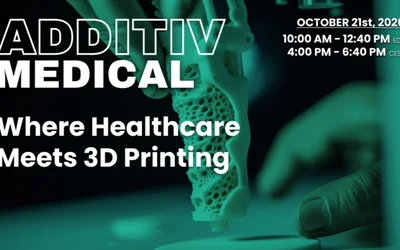
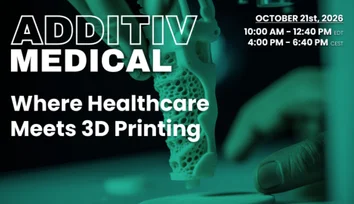
ADDITIV Medical 2026 will bring together more than 500 medical professionals
Choosing between 3D printing and injection molding is one of the key decisions in product development—especially in case of prototyping.
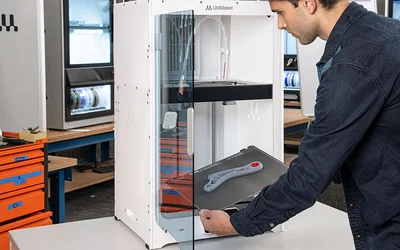
The choice between 3D printing and CNC machining is the most common decision regarding manufacturing methods that must be made before placing the first order for prototypes. The correct answer depends on tolerance requirements, material specifications, component geometry, and schedule.
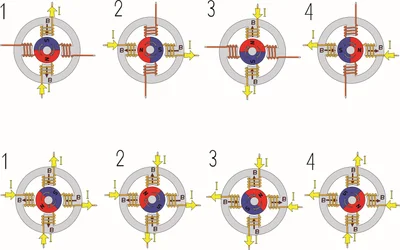
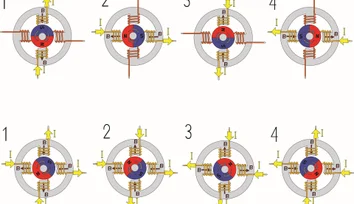
How microstepping works in stepper motors, the incremental torque cost of each resolution, and why finer microsteps do not improve positioning accuracy.
Discover how iAM Marketplace simplifies industrial additive manufacturing by unifying materials, validation services, and multi-brand technologies into one open ecosystem for efficient AM sourcing.
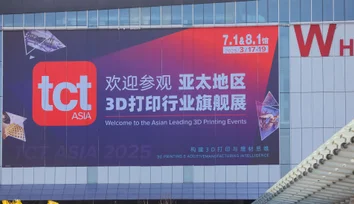
This article discusses what attendees can expect from TCT Asia 2026, including its conference format, focus areas, and the experts contributing to industry-specific discussions.
This article discusses the exhibitors, products, and industrial trends defining additive manufacturing across the Asia-Pacific region at TCT Asia 2026.
This article discusses how the Asia-Pacific region is advancing additive manufacturing and the role of TCT Asia as the leading 3D printing and additive manufacturing event in the Asia-Pacific.
New materials like Cubic Ink 303 VP ESD and AzureFilms Prime HS deliver heat-deflection over 220 Degrees Celsius and matte finish quality - expanding plastics beyond prototyping into tooling and functional parts.

3 minutes read
When it comes to creating plastic parts, choosing between CNC machining and 3D printing can feel like a tough call. This article breaks down the key differences between these two powerhouse technologies.

7 minutes read
A Review of Presentations from CDFAM Computational Design Symposium Series, Past and Future

8 minutes read
Aerospace 3D printing has emerged as a transformative technology in the aviation and space industries, revolutionizing component design, prototyping, and manufacturing.

10 minutes read
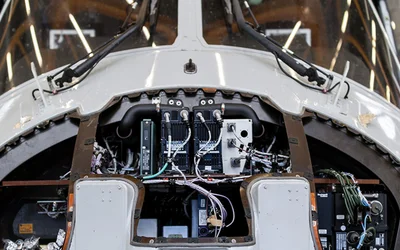
On-site printing of lightweight PSU fillers slashes carbon impact and supply chain complexity—Finnair now sources spare parts locally in Dubai, Singapore, and beyond.
2 minutes read
Understanding how to leverage infill effectively is crucial for maximizing the potential of 3D printing technology.
15 minutes read
From the experts at CDFAM Computational Design Symposium
3 minutes read
Accelerate production, reduce downtime, and gain a competitive edge by integrating on-demand digital manufacturing into your operations.
3D composite printing is transforming manufacturing by combining the flexibility of additive manufacturing with enhanced material properties. This innovative technology enables the creation of complex parts with improved strength, stiffness, and performance characteristics.
7 minutes read
By eliminating greenhouse-gas shielding and enabling 20% savings, this wire-based process could reshape aerospace and mobility parts manufacturing.
Photonics is advancing 3D printing by enabling ultra-precise, high-speed manufacturing.
Delta-style motion kinematics offer speed and accuracy advantages, enabling engineers to shorten their rapid prototyping times and reduce time-to-market for new products.
Understanding the key differences, applications, and selection criteria for fillets and chamfers in digital design, hardware, and electronics engineering.
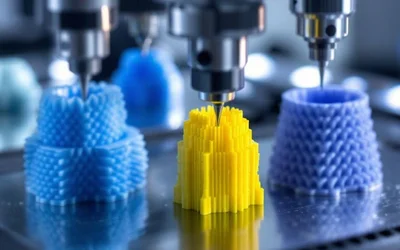
In this article, we'll explore the key benefits of multi-material 3D printing, some of the practical applications, and the best practices for achieving optimal results.
6 minutes read
3D printing has revolutionized manufacturing by enabling the creation of complex parts with a wide range of materials. While there are a wide range of different 3D printing materials, in this article, we will examine 3 of the more common materials and compare their strength and performance.
10 minutes read