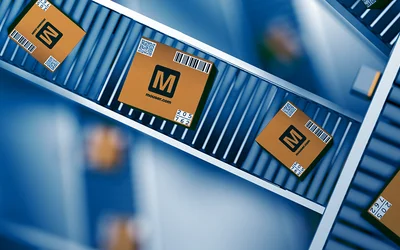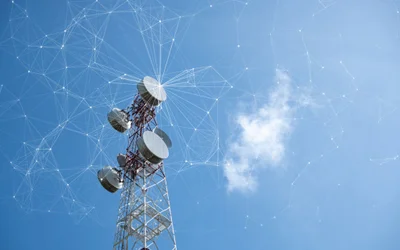
The IoT will be one of the planet's largest and most complex machines. And its economic impact will be huge. In a 2022 report, analyst McKinsey suggested the IoT’s value could be as much as $12.5 trillion by 2030. But the IoT can only reach this size if all the components are built to global engineering standards.
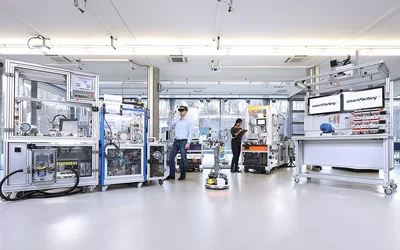
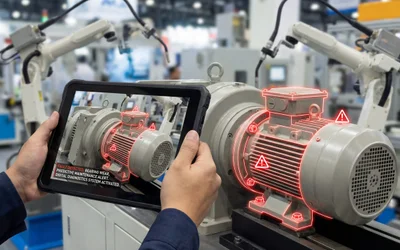
Article #3 of Transforming Industrial Manufacturing with Industry 4.0 Series: Manufacturing has an adoption rate of 85% for IoT, the highest among businesses. Driving the move toward smart factories, some challenges must be overcome to reap the benefits of this disruptive shift.
Explore RF signal chains, components, and interconnects, and learn how amplification, filtering, impedance, and signal integrity shape RF system performance.
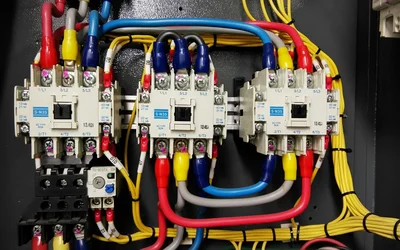
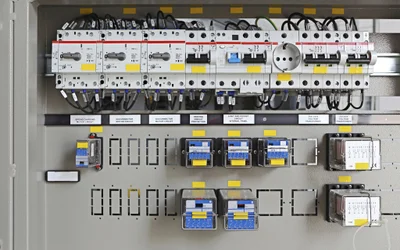
This article is a practical reference for establishing the SCCR rating of an industrial control panel, from the weakest-link method in UL 508A Supplement SB through the marking the inspector will look for.
This guide covers what it applies to, how it differs from UL 508, how Supplement SB establishes the short-circuit current rating for a panel, and what it actually takes to label a panel under the UL 508A panel shop program.
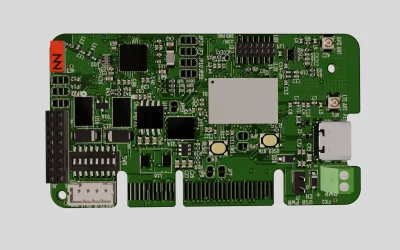
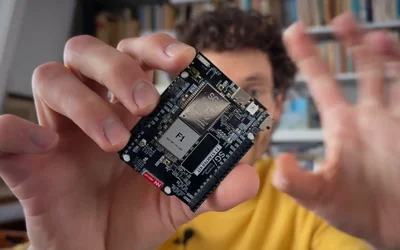
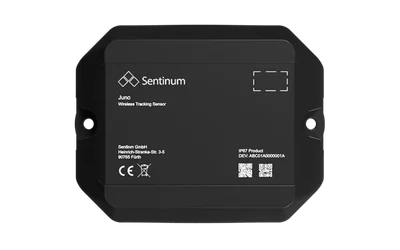
Sentinum;s Juno Cellular Tracker uses Nordic nRF9151 low power SiP module, nRF7000 Wi-Fi 6 Companion IC and nRF Cloud powered by Memfault to provide reliable connectivity, location and sensor data reporting
The IoT will be one of the planet's largest and most complex machines. And its economic impact will be huge. In a 2022 report, analyst McKinsey suggested the IoT’s value could be as much as $12.5 trillion by 2030. But the IoT can only reach this size if all the components are built to global engineering standards.

Article #3 of Transforming Industrial Manufacturing with Industry 4.0 Series: Manufacturing has an adoption rate of 85% for IoT, the highest among businesses. Driving the move toward smart factories, some challenges must be overcome to reap the benefits of this disruptive shift.
The world is aging; according to the World Health Organization (WHO), between 2015 and 2050, the proportion of the population over 60 will double from 12 percent to 22 percent.
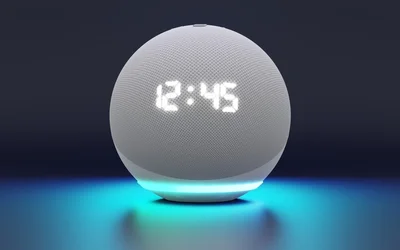
The smart home network continues to expand. Homeowners are now using wireless technology to operate the lights, window shades and HVAC, as well as entertain, manage energy consumption and make sure the house is secure. And this is just the start.
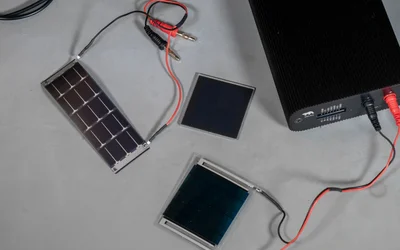
To determine whether solar energy harvesting is better than battery power for your IoT solution, it is important to evaluate its economics. There are three best practices to find the right economics and IoT solar panel for your device.
Regarding the terahertz waves used in Beyond 5G/6G, the Federal Communications Commission, which manages communication radio waves in the US, has opened up a wide band from 95GHz to 3THz for research and experimental use. However, it is presumed that space development and other special applications are being considered as with the 94-GHz-milliwave frequency.
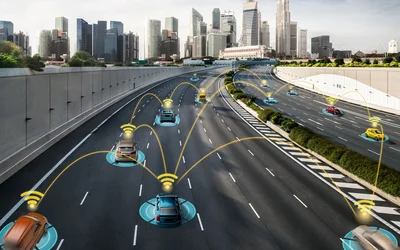
Cellular Vehicle-to-Everything (C-V2X) technology is transforming the transportation industry by enabling advanced communication between vehicles, infrastructure, and other road users. This breakthrough technology has the potential to improve road safety, reduce traffic congestion, and support the development of autonomous vehicles.
In today's interconnected world, network topologies play a crucial role in determining the efficiency and reliability of communication between devices. One such network topology is the bus topology, known for its simplicity and cost-effectiveness. In this comprehensive guide, we will delve deeper into bus topology, exploring its advantages, disadvantages, applications, and the future of this network design.
For over a decade, the Internet of Things (IoT) has been disrupting business operations in different sectors of the economy. It enables enterprises to deploy pervasive applications that leverage information from the physical world to drive automation and data-driven intelligence.